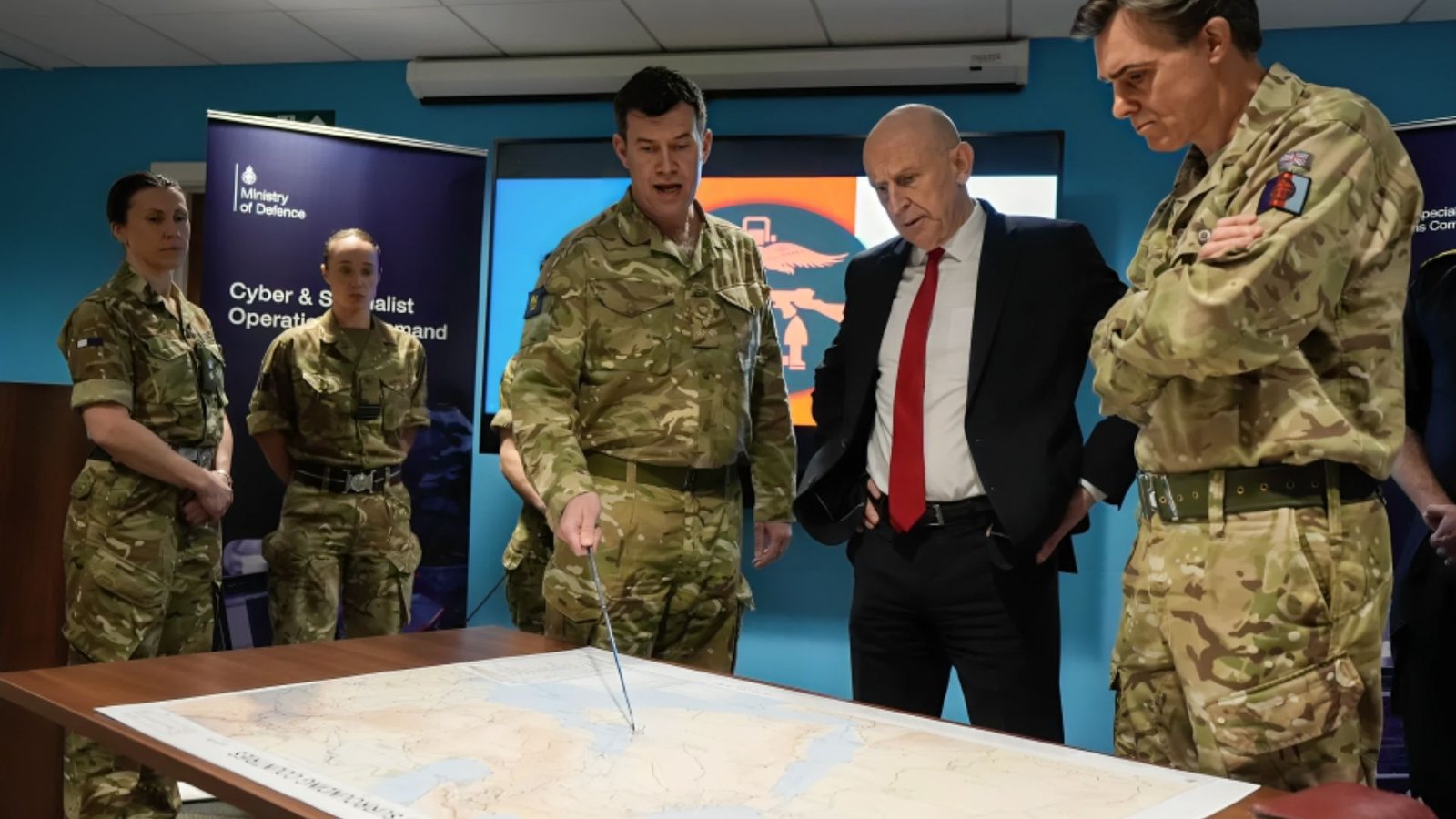
Britain will host military planners from more than 30 nations on Wednesday for two days of high‑stakes talks aimed at shaping a multinational mission to protect navigation through the Strait of Hormuz, one of the world’s most strategically vital waterways. The initiative is being led jointly by the United Kingdom and France, following renewed diplomatic momentum in Paris last week.
The UK Ministry of Defence said the London meeting will focus on “advancing detailed planning” for reopening the strait once conditions allow. Defence Minister John Healey said the goal now is to turn diplomatic alignment into a concrete operational blueprint. “The task today and tomorrow is to translate diplomatic consensus into a joint plan to safeguard freedom of navigation in the Strait and support a lasting ceasefire,” he said, adding he was confident “real progress can be made.”
The conference follows a major gathering in Paris on Friday, co‑chaired by British Prime Minister Keir Starmer and French President Emmanuel Macron, which brought together more than 40 countries. Both leaders stressed that any future force would be strictly defensive and deployed only after a durable peace is secured.
Notably absent from the talks were the United States and Iran, the two warring parties whose conflict has destabilised the region and disrupted global shipping. A fragile two‑week ceasefire between them was set to expire at midnight GMT on Tuesday, but US President Donald Trump extended it shortly before the deadline to allow more time for negotiations. Both sides have accused each other of violations, and the US has maintained a blockade of Iranian ports.
Downing Street had signalled ahead of the Paris meeting that a military planning summit would follow, though details were not disclosed at the time. The gathering will take place at the Permanent Joint Headquarters in northwest London, the UK’s command centre for coordinating major military operations.
As tensions remain high and global trade continues to feel the strain, the London summit marks a pivotal step toward building an international security framework for one of the world’s most contested maritime chokepoints.





+ There are no comments
Add yours