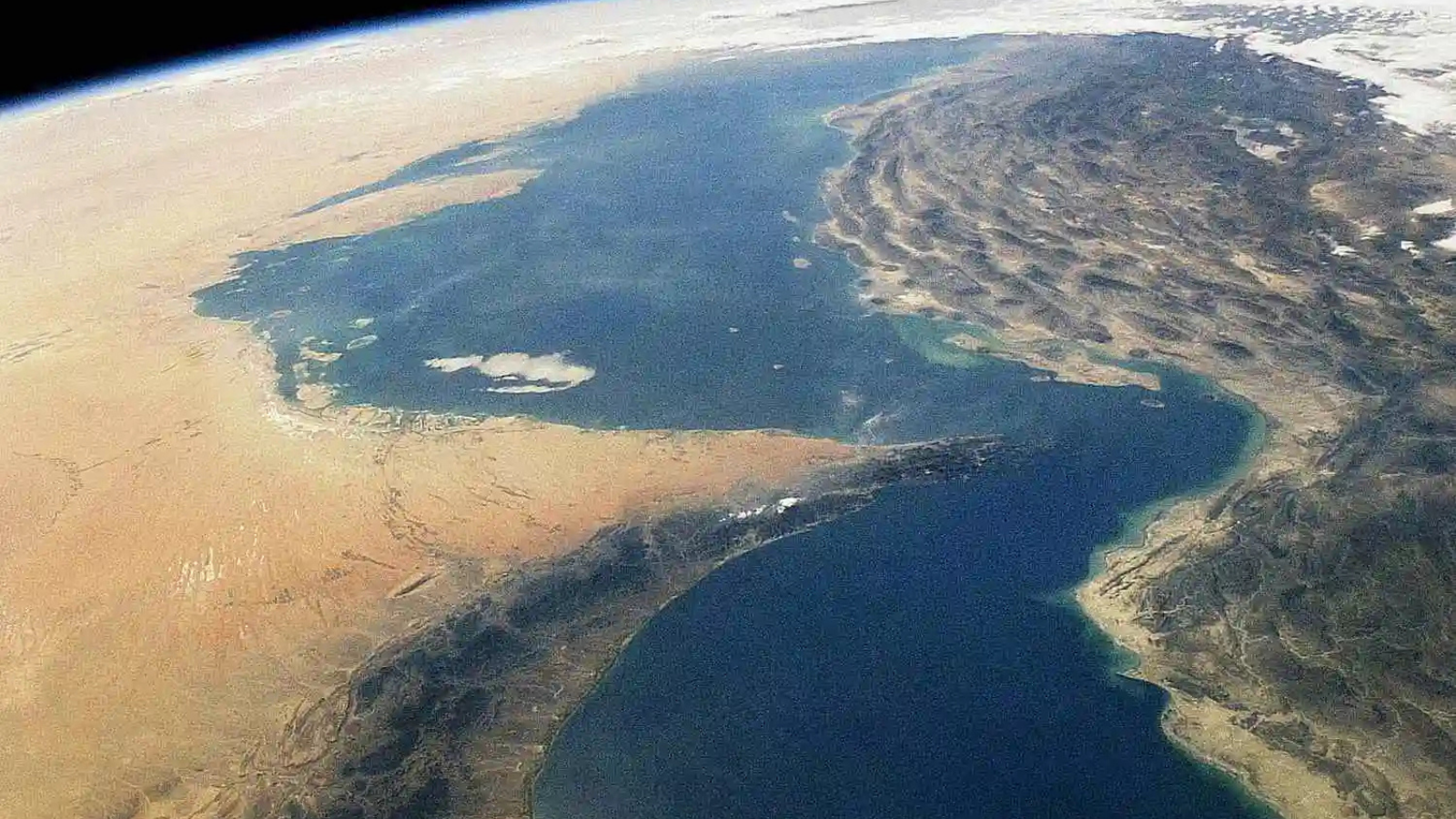
A Pentagon assessment shared with US lawmakers has warned that it could take up to six months to fully clear the Strait of Hormuz of Iranian‑laid naval mines a timeline that risks keeping global oil and gas prices elevated for months, according to reporting by The Washington Post.
Iran has all but shut down the vital waterway since the start of its war with the United States and Israel, sharply disrupting global energy flows. The strait, which normally carries one‑fifth of the world’s oil and gas, has remained largely closed even during the current fragile ceasefire, with the US maintaining its own blockade.
Officials briefed members of the House Armed Services Committee that Iran may have deployed 20 or more mines, including GPS‑guided devices that drift and are significantly harder to detect. Some were reportedly laid using small IRGC vessels. The Pentagon assessment also noted that a full clearance operation is unlikely to begin before the war ends, meaning the disruption could stretch well into the year.
Pentagon spokesperson Sean Parnell disputed the reporting, calling the six‑month estimate “inaccurate,” though he did not provide an alternative timeline. Iran’s Revolutionary Guards, meanwhile, have declared a 1,400‑square‑kilometre “danger zone” an area 14 times the size of Paris where mines may be present.
The prolonged closure has already rattled global markets. Shipping giant Hapag‑Lloyd warned that vessels need clear guidance on safe routes, as operators remain fearful of hidden mines. When the strait briefly reopened at the start of the ceasefire, only a handful of ships dared to pass through.
Earlier this month, the US Navy said its vessels had begun mine‑removal operations, but Iran’s Revolutionary Guard denied the claim and threatened to target any military ships attempting to cross the channel.
In response to the escalating crisis, over 30 countries convened in London this week for UK‑ and France‑led talks on forming a multinational mission to secure navigation and eventually reopen the strait once hostilities end.
With mine‑clearing efforts stalled and diplomatic progress uncertain, the Strait of Hormuz one of the world’s most critical energy chokepoints remains at the centre of a geopolitical standoff with far‑reaching economic consequences.





+ There are no comments
Add yours