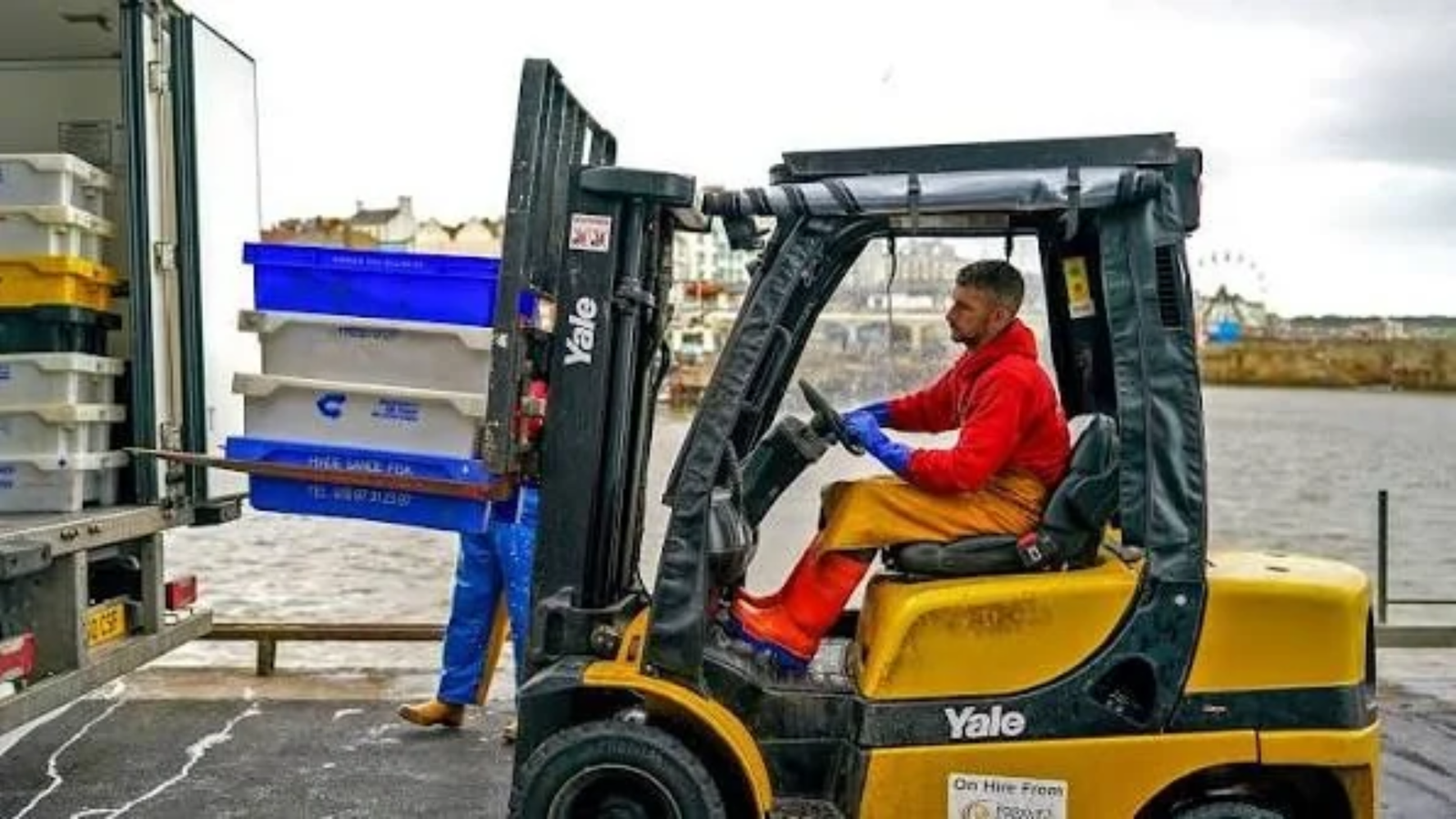
The United Kingdom and the European Union have reached a draft agreement aimed at significantly reducing post-Brexit checks and bureaucracy on food and agricultural exports, marking one of the most important developments in UK-EU relations since Britain left the bloc’s single market.
The proposed Sanitary and Phytosanitary (SPS) Agreement is expected to be a central topic at the upcoming UK-EU summit later this month. According to reports, the draft text, spanning around 200 pages, has been circulated among EU member states in Brussels for review.
Alongside the SPS agreement, draft texts covering emissions trading cooperation, a potential youth travel and work scheme, and a joint statement for UK and EU leaders have also been distributed for consideration.
The food and agriculture agreement is regarded as the most substantial part of the broader UK-EU “Brexit reset” initiative. It aims to remove many of the trade barriers, inspections, and administrative requirements that were introduced after the UK left the EU’s single market and customs arrangements.
According to government estimates, the agreement could generate approximately £5.1 billion in annual economic benefits for the UK once fully implemented.
The proposed deal would deliver a range of benefits for businesses and consumers. Exports of products such as fresh sausages, burgers, shellfish from domestic waters, and seed potatoes to EU markets could resume more easily. It would also eliminate the need for costly Export Health Certificates, which currently confirm that food products meet destination-country health requirements.
Under the agreement, many plant exporters would no longer require Phytosanitary Certificates, documents used to certify that plants and plant products are free from pests and diseases. Additional costs linked to inspections, organic certification requirements, port processing charges, and other regulatory checks could also be reduced or removed.
For British travellers, the agreement is expected to restore the use of pet passports, making it easier for pet owners to travel between the UK and EU countries.
In return for these trade benefits, the UK is expected to commit to maintaining alignment with existing and future EU standards covering food, animal health, and plant safety regulations. This process, commonly referred to as “dynamic alignment,” would require the UK to adapt to relevant regulatory changes introduced by the European Union.
The draft agreement represents a major step toward rebuilding economic cooperation between the UK and EU, while aiming to reduce costs for exporters, support businesses, and improve cross-border trade after years of Brexit-related disruption.







+ There are no comments
Add yours