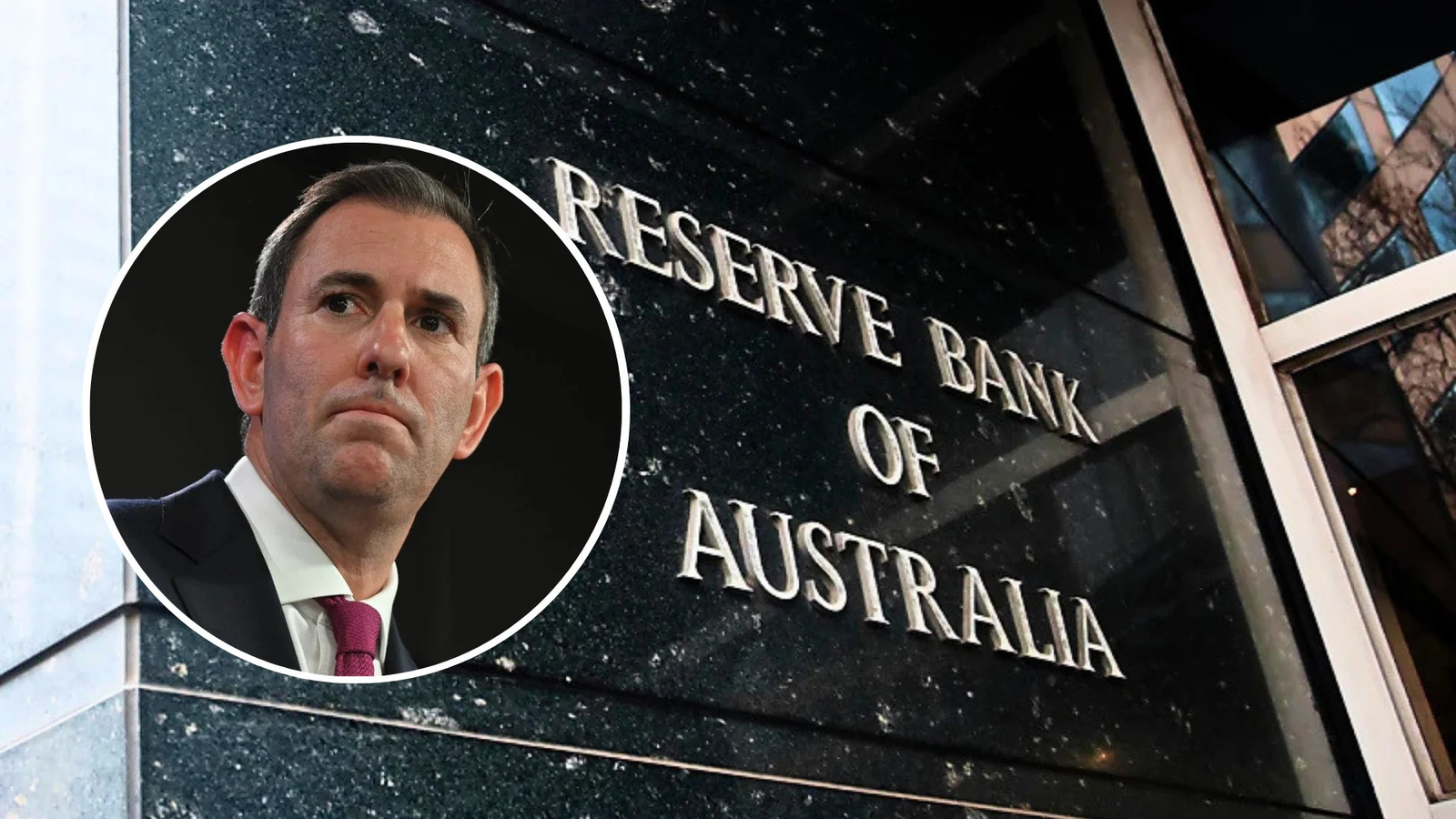
Australian Treasurer Jim Chalmers has rejected claims that government spending is fueling inflation, following the Reserve Bank of Australia’s (RBA) decision to raise interest rates for the fifth time this year.
The latest increase adds further pressure on households already grappling with higher mortgage repayments and rising living costs, as policymakers continue efforts to bring inflation under control.
Facing criticism over government expenditure, Chalmers pointed to the Reserve Bank’s own assessment that public sector demand had been weaker than expected during the early stages of inflation’s recent resurgence.
“Public demand growth has eased quite substantially at a time when private demand has tripled,” Chalmers said.
“Our budgets are not what’s putting upward pressure on inflation, but we can play a helpful role and that’s what we intend to do.”
The Treasurer reiterated that the government remains committed to tackling inflation while also providing targeted cost-of-living support. He also confirmed that additional budget savings would be outlined in next month’s mid-year economic update.
However, Chalmers stopped short of guaranteeing that the savings would fully offset any new spending commitments, a balance the Albanese government has struggled to achieve over the past five years.
“We take responsibility for our part of the fight against inflation,” he said.
“We’re helping with the cost of living at the same time as we manage the budget responsibly.”
Meanwhile, Reserve Bank Governor Michele Bullock avoided directly commenting on government fiscal policy, maintaining the central bank’s long-standing position of independence from political decisions.
Bullock said overall demand across the economy, including both public and private spending, remained stronger than desired.
“It’s up to the government, the elected officials, to decide what they want to do with the budget,” she said.
The latest rate rise comes amid ongoing concerns that inflation remains persistent despite previous monetary tightening measures. Economists note that while government spending remains part of the economic debate, the Reserve Bank continues to focus on total demand across the economy when assessing inflation risks.
The decision means borrowers will face additional financial pressure, while policymakers continue searching for the right balance between controlling inflation, supporting economic growth, and easing cost-of-living challenges for Australians.








+ There are no comments
Add yours