
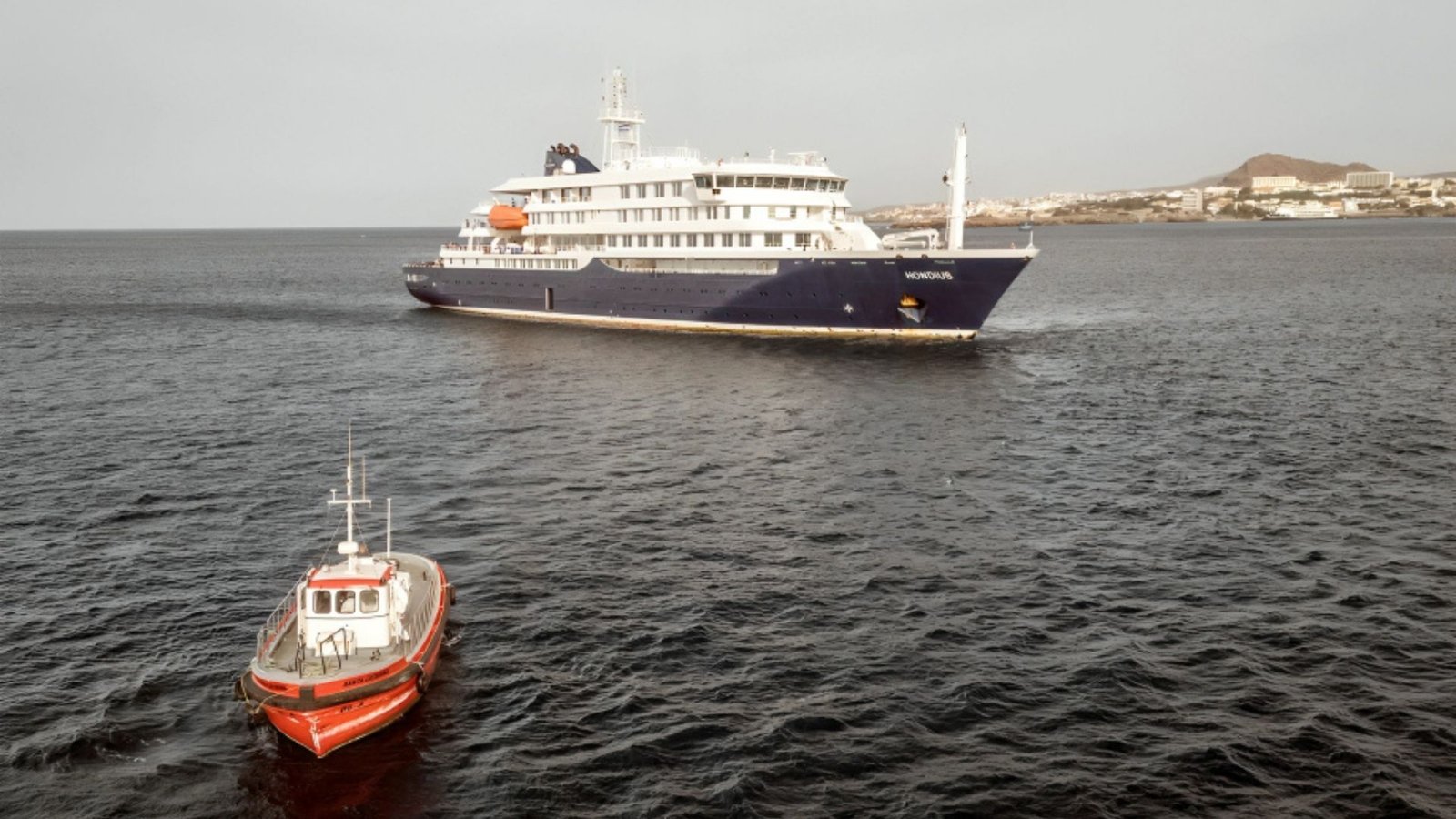
Ushuaia, long celebrated as Argentina’s “End of the World” and a launch point for Antarctic expeditions, is now facing an unwelcome wave of global attention. The city has been thrust into the spotlight amid speculation that it may be the origin point of the hantavirus outbreak detected aboard the Dutch vessel MV Hondius, now anchored in Tenerife as passengers are evacuated.
The ship began its journey on 1 April from Ushuaia, carrying 114 passengers and 61 crew from 22 countries. While investigators believe the virus was already on board when the vessel departed, its exact source and who may have carried it remains unknown. That uncertainty has fuelled intense media speculation, including theories that a passenger may have contracted the virus at a landfill site on the outskirts of Ushuaia, a spot frequented by bird‑watchers but also known to attract rodents.
Local officials, however, strongly reject the idea that Tierra del Fuego is the outbreak’s ground zero. Juan Facundo Petrina, the province’s Director General of Epidemiology and Environmental Health, has repeatedly stressed that the region has no recorded history of hantavirus cases. “In Tierra del Fuego we have no record of hantavirus cases in our history,” he said, noting that since the disease became part of Argentina’s mandatory reporting system in 1996, not a single case has been documented in the province.
Petrina, who assumed his role during the COVID‑19 pandemic, has reiterated this point in every press conference and interview in recent days, as local authorities work to counter narratives that could harm the region’s reputation and tourism‑driven economy.
As international health agencies continue tracing the outbreak’s origins, Ushuaia finds itself balancing global scrutiny with a firm insistence that the evidence does not point to Patagonia.










+ There are no comments
Add yours