
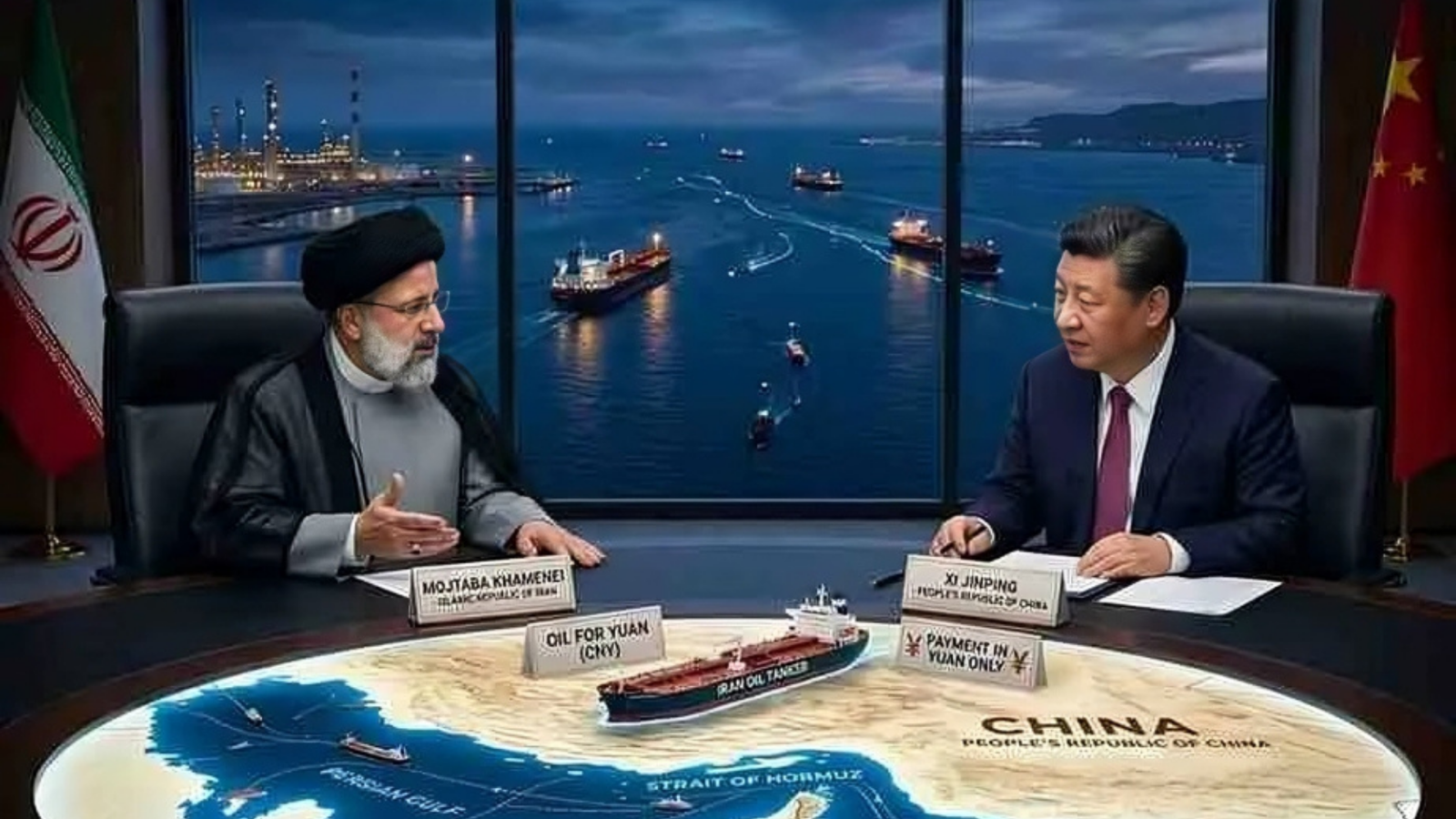
Iran is deploying a new diplomatic and economic tactic to keep its oil exports alive under tightening Western sanctions transferring floating offshore oil reserves directly to China. The move, now at the centre of Tehran’s foreign‑policy push, signals how urgently the country is working to keep its energy revenues flowing.
According to Hamid Reza Gholamzadeh, director of the Tehran‑based think tank DiplowHouse, Foreign Minister Abbas Araghchi has been holding a series of high‑level meetings with foreign ministers and senior diplomats. The goal, he said, is to present Iran’s position on regional tensions and its ongoing attempts to reopen dialogue with the United States.
Gholamzadeh noted that Araghchi’s recent visit to China just a week before US President Donald Trump’s scheduled trip to Beijing is being viewed as strategically significant. With Western sanctions squeezing Iran’s economy, China remains one of Tehran’s most crucial political and economic partners.
Speaking to Al Jazeera, Gholamzadeh said Iran is seeking China’s cooperation as sanctions have severely restricted its ability to export oil. Banking restrictions, trade barriers and heightened maritime surveillance have made traditional sales increasingly difficult.
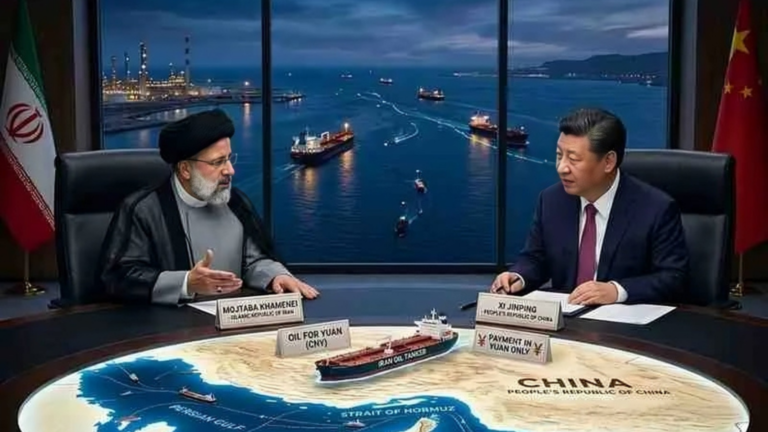
As a result, Iran is now attempting to sell oil stored on tankers anchored in international waters. Several vessels are already floating offshore, and Tehran and Beijing are coordinating how to transfer that oil to Chinese buyers.
Araghchi has also discussed the situation in the Strait of Hormuz, outlining Iran’s proposals for traffic control and maritime security in one of the world’s most sensitive shipping lanes.
Iran’s floating‑oil strategy underscores both the pressure of sanctions and the geopolitical importance of China in keeping Tehran’s energy sector alive.







+ There are no comments
Add yours