Former Matildas coach Tom Sermanni still laughs when he remembers the moment his players transformed him in a hotel room in central China shaving off his trademark moustache and dyeing his grey hair after Australia reached the 2010 Women’s Asian Cup final. It was the payoff to a light‑hearted promise made months earlier, one that unexpectedly became part of the team’s emotional fuel during a gruelling tournament played almost entirely on the same battered pitch.
Six months before the competition, the squad had teased Sermanni about colouring his hair. He refused, insisting he didn’t want to “look ridiculous.” But when the players pushed further asking if they could dye it if they qualified for the World Cup he agreed. After Australia’s dramatic win over Japan, the Matildas pounced. “They basically had a team bonding session colouring my hair,” he told to meida. “It wasn’t one of my best looks.”
Sermanni now calls it “desperation coaching,” but in hindsight, the moment captured the spirit of an unfancied, injury‑hit squad that refused to be intimidated. It helped propel them toward what became one of the most significant achievements in Australian football history.
“We knew we were always underdogs,” said 2010 squad member and current interim Football Australia CEO Heather Garriock. “But at the same time, we always believed.”
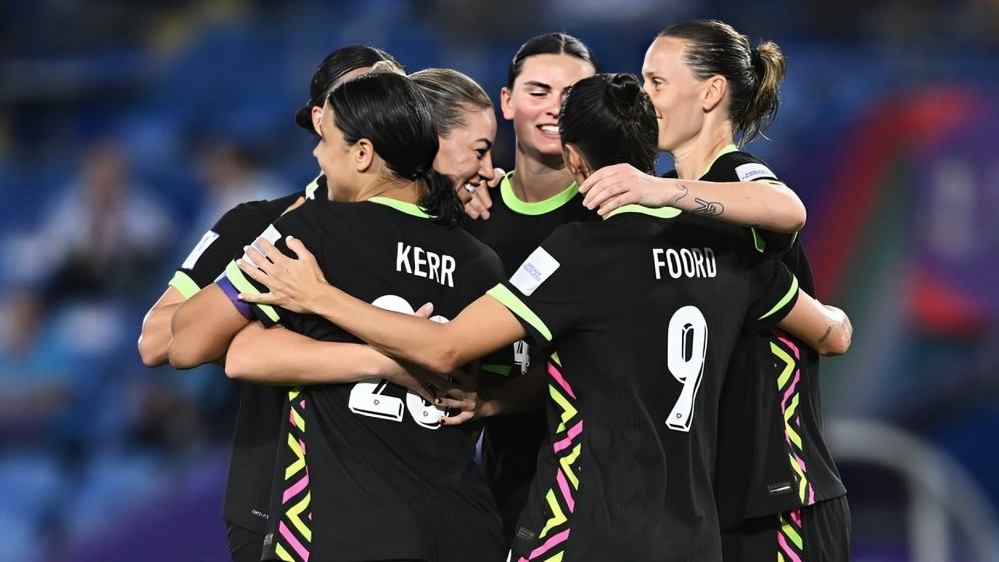
The 2010 Asian Cup remains the first major international trophy won by any senior Australian national team a breakthrough that reshaped the country’s football landscape. As the current Matildas chase glory at the 2026 edition, they do so in the shadow of a team whose belief, resilience and unity set a benchmark that has endured for 16 years.




+ There are no comments
Add yours