
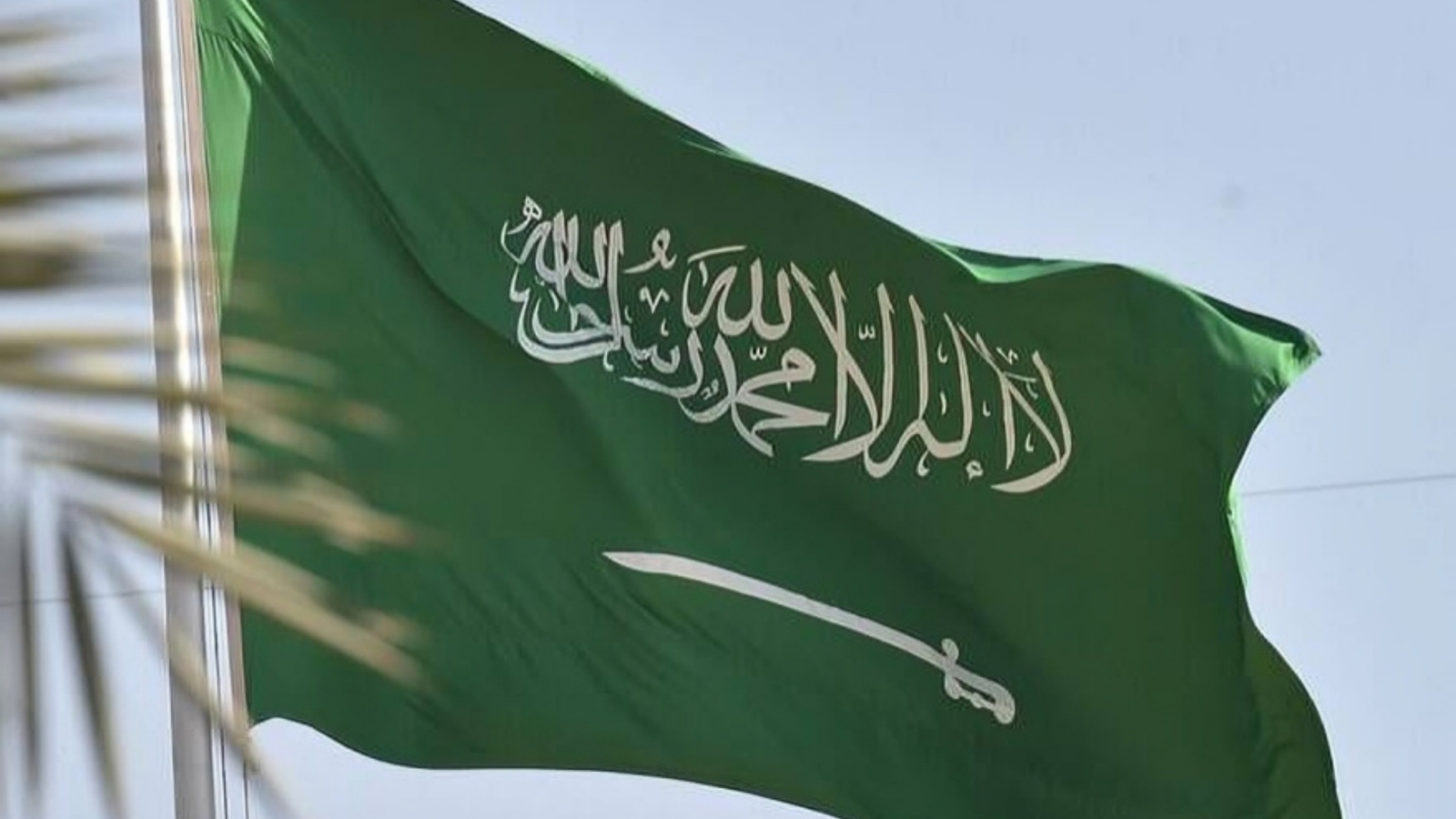
Saudi Arabia is exploring a sweeping regional agreement aimed at reducing escalating tensions across the Middle East, with discussions centred on a potential non‑aggression pact involving Iran and several Arab states. Please confirm all political information with trusted, up‑to‑date sources.
According to a report in the Financial Times, two Western diplomats said Riyadh wants to ensure that once the ongoing conflict between Iran, Israel and the United States subsides, the region does not slip back into instability. The proposed pact would commit participating nations to refrain from attacking one another a significant shift in a region long defined by mistrust and proxy conflict.
Diplomats say Saudi Arabia is modelling the idea on the 1970 Helsinki Process, which helped ease Cold War tensions in Europe. They argue that a similar framework could help rebuild confidence in a Middle East fractured by decades of conflict, rivalry and shifting alliances.
An Arab diplomat told the Financial Times that most Arab and Muslim‑majority countries including Iran would likely welcome such an agreement. But he warned that the pact’s success would depend heavily on who joins. Bringing both Israel and Iran under the same umbrella appears unrealistic for now, he said, yet excluding Israel entirely could undermine the pact’s credibility, given its central role in regional tensions.
He added that Saudi Arabia’s interest is driven partly by geography: Iran sits just across the Gulf, making long‑term security assurances a strategic priority for Riyadh. Several European nations have reportedly expressed support for the initiative, viewing a regional pact as one of the most effective ways to guarantee Iran that it will not face further attacks.
For now, major questions remain unanswered including which countries would sign on and how such a pact would be enforced. But the proposal signals a notable shift in Saudi diplomacy at a moment when the region is searching for stability.







+ There are no comments
Add yours