
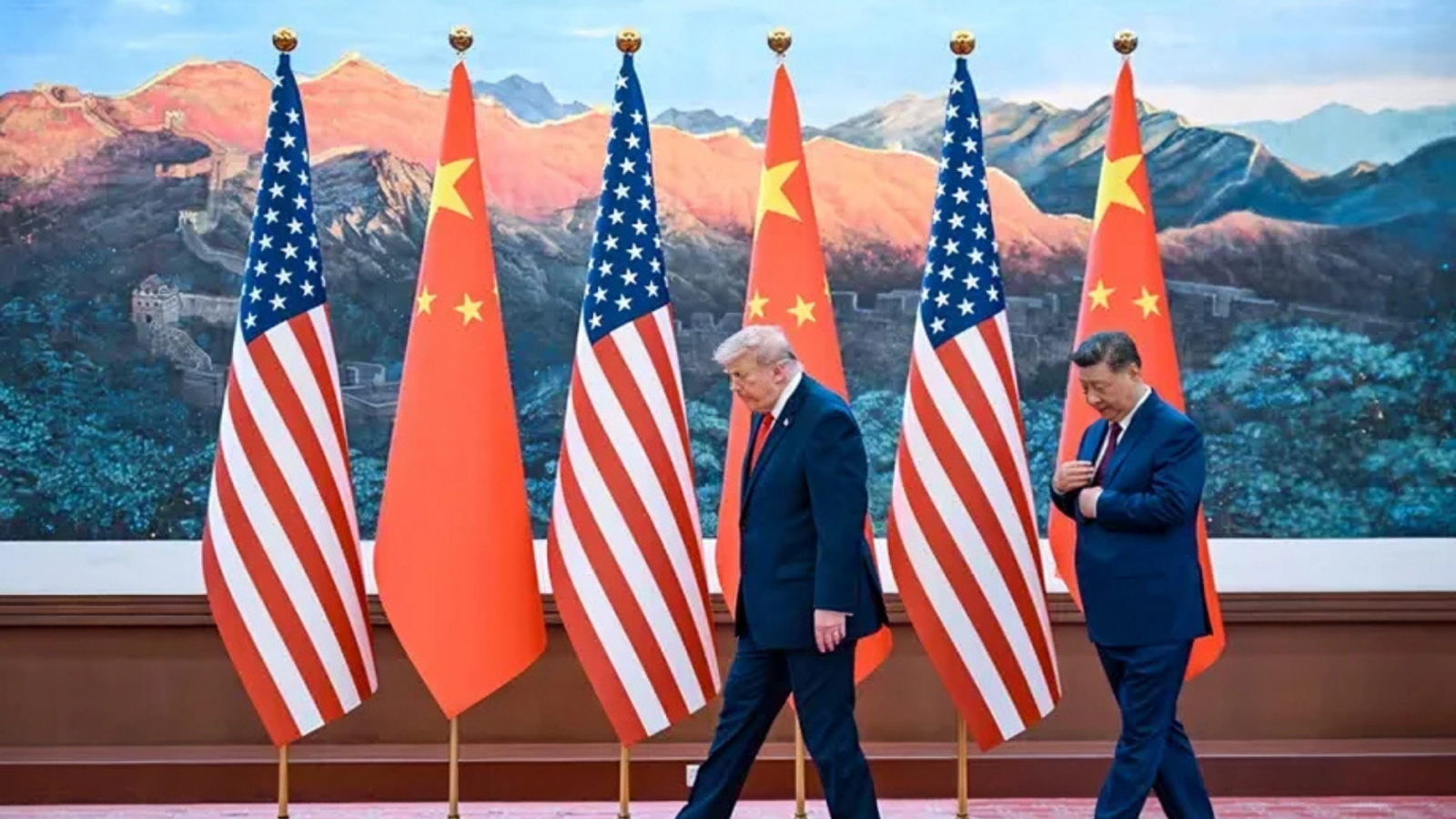
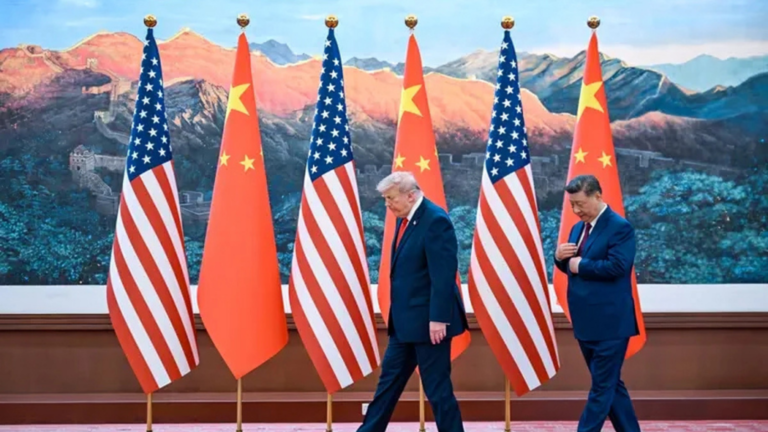
As President Donald Trump wrapped up his fast‑paced visit to Beijing on Friday, he projected confidence that relations between the world’s two largest powers are “good and getting better.” But behind the upbeat tone lies a far more complicated reality one shaped by deep disagreements over Iran, Taiwan and global security.
Trump began his final day in China by posting on social media that President Xi Jinping had “congratulated me on so many tremendous successes,” insisting Xi’s recent comments about the United States being a “declining nation” were aimed solely at former president Joe Biden. Yet the optimism clashes with the hard issues dominating private talks.
Beijing has shown little public interest in responding to US calls for greater involvement in resolving the conflict in Iran, despite Trump telling Fox News’ Sean Hannity that Xi had offered to help. Washington also believes China could do more to curb the flow of Chinese‑made precursor chemicals to Mexico, where they are used to produce fentanyl devastating communities across the US.
Meanwhile, Xi delivered one of his starkest warnings yet on Taiwan. According to Chinese officials, he told Trump that mishandling the issue could push the two powers toward “clashes and even conflicts.” The message underscored Beijing’s view that Taiwan remains the core of its national interests.
Trump and Xi are expected to spend more time together at Xi’s official residence before the US president departs for Washington.
Taiwan dominated Thursday’s discussions, even as Trump publicly emphasized what he called a “special relationship” between the two nations. Secretary of State Marco Rubio told NBC News that US policy on Taiwan remains “unchanged,” warning it would be “a terrible mistake” for China to attempt reunification by force. He described Xi’s comments as routine, saying both sides raise the issue every time they meet.
China has recently intensified its messaging that Taiwan is central to maintaining stable US‑China ties. Trump has demanded that Taiwan increase its defense spending, and in December the White House approved an $11 billion weapons package the largest ever for the island. But the US has yet to begin delivering the arms, and Trump said he expected to discuss the matter directly with Xi.
At the same time, Trump has complained that Taiwan “stole” America’s semiconductor industry and has pushed Taipei to invest heavily in US chip manufacturing while purchasing billions of dollars in American LNG and crude oil. His shifting tone has raised questions about whether Washington’s long‑standing support for Taiwan could be recalibrated.
As Trump prepares to leave Beijing, the contrast between his upbeat rhetoric and the unresolved tensions beneath it remains stark a reminder that the US‑China relationship is entering a new, more unpredictable era.





+ There are no comments
Add yours