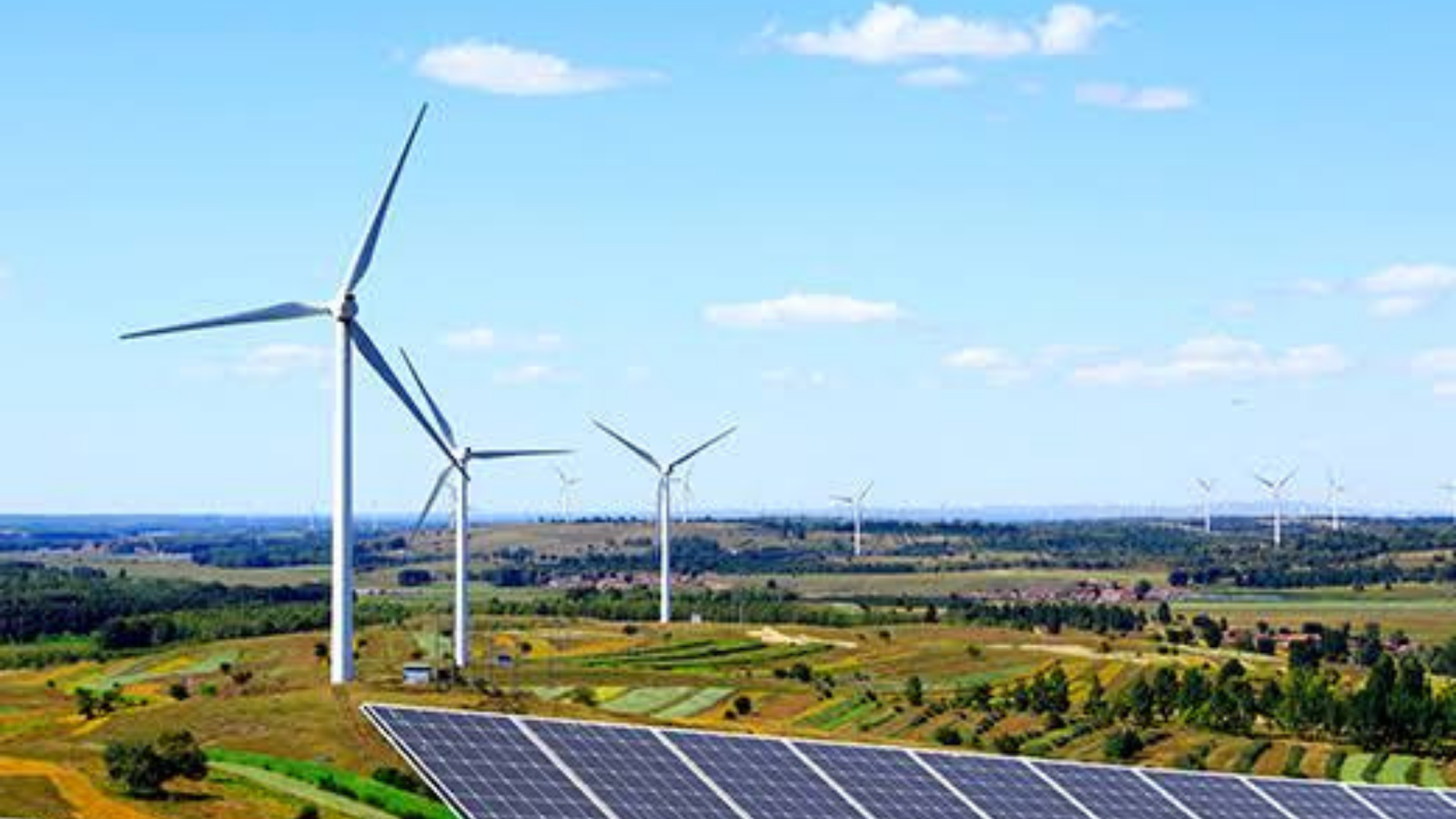
India has achieved a significant milestone in its clean energy transition, with electricity generated from renewable and other non-fossil fuel sources briefly supplying more than half of the country’s peak power demand during a hot day in July.
The achievement marked only the second time that electricity from solar, wind, hydroelectric, and nuclear power collectively exceeded coal-generated output during peak demand periods. While the event was temporary, energy experts say it highlights the rapid transformation of India’s power sector over the past decade.
The milestone reflects the remarkable expansion of renewable energy across the country. Ten years ago, renewable energy represented only a small share of India’s power system. Today, non-fossil fuel sources account for a majority of the nation’s installed electricity generation capacity, demonstrating the scale of investment in clean energy infrastructure.
Industry leaders say the achievement shows renewable energy has moved beyond being a supplementary source of electricity and is increasingly playing a central role in supporting India’s growing energy needs.
Despite this progress, coal remains the backbone of India’s electricity system, generating around 70 percent of the country’s power on average. Coal-fired plants continue to operate for longer periods than most renewable energy facilities, helping provide reliable electricity around the clock and meet rising demand.
Nevertheless, analysts believe India has reached an important turning point in its energy transition. The country has significantly expanded solar and wind generation capacity while pursuing ambitious climate and energy security goals.
India’s growth in renewable energy has been particularly notable given its status as one of the world’s fastest-growing economies and largest energy consumers. The rapid increase in clean energy capacity has helped reduce reliance on fossil fuels while supporting efforts to lower emissions and improve energy diversification.
However, major challenges remain. Energy experts point to issues including electricity storage, grid modernisation, transmission infrastructure, and ensuring reliable power supply when renewable output fluctuates due to weather conditions. Financing future projects and maintaining a balance between economic growth and decarbonisation also remain key priorities.
In addition, rising electricity demand from industry, urbanisation, and growing populations means that India will continue to require substantial investment across all parts of its energy sector.
While coal is expected to remain a significant part of the energy mix for years to come, the latest milestone underscores how rapidly renewable energy has expanded and how its role in India’s electricity system continues to grow.
The achievement is being viewed as a landmark moment in India’s ongoing effort to build a cleaner, more sustainable, and increasingly diversified energy future.











+ There are no comments
Add yours