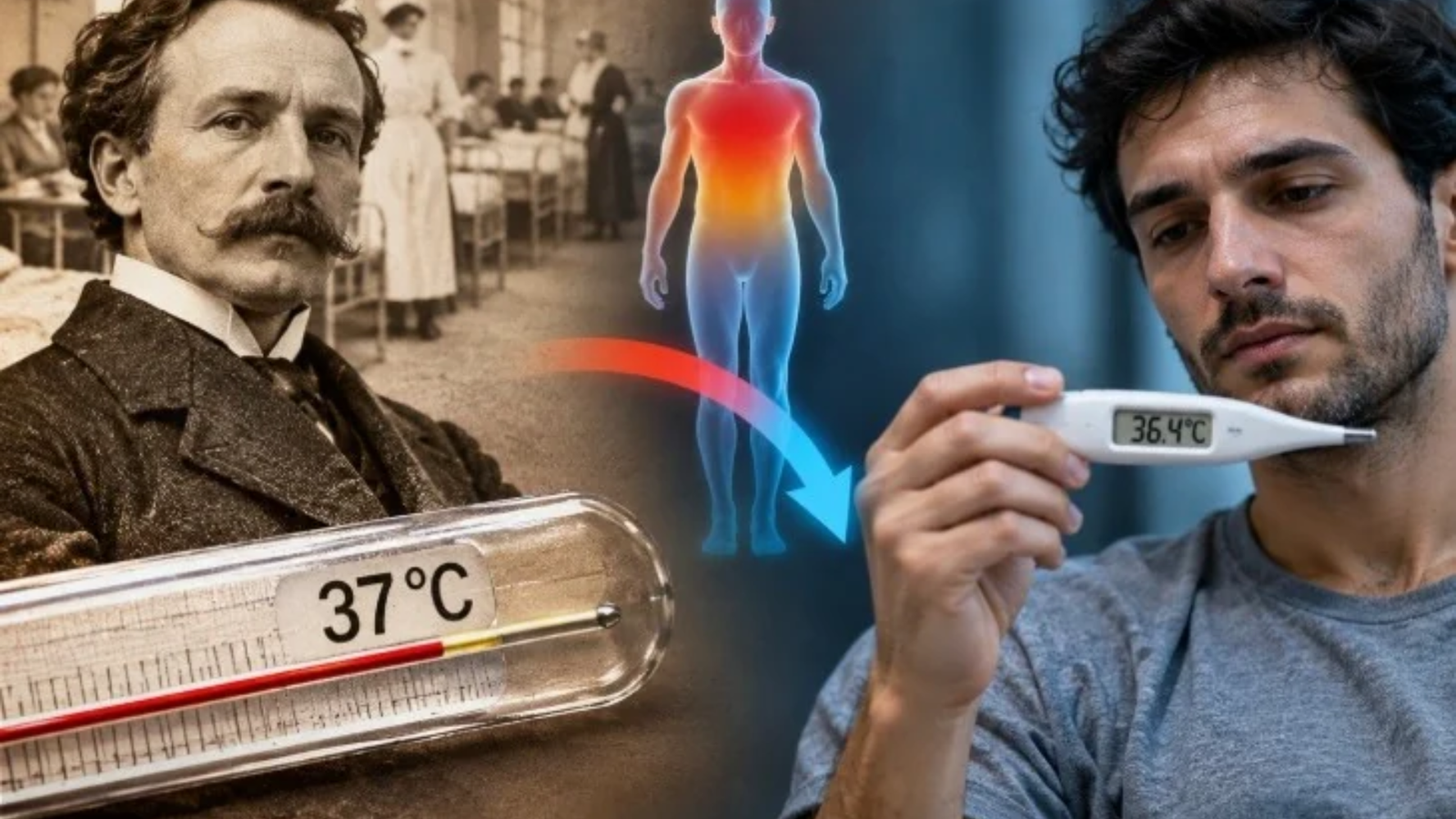
For more than a century, 37°C (98.6°F) has been widely accepted as the benchmark for normal human body temperature. However, modern research suggests that the average human body temperature may actually be lower today than it was 150 years ago, prompting scientists to investigate what has changed.
The origin of the 37°C standard dates back to the 1860s when German physician Carl Wunderlich conducted one of the largest medical studies of his time. Seeking to better understand fever and disease, Wunderlich collected more than one million temperature readings from around 25,000 patients over a 15-year period.
Using this extensive dataset, he concluded that the average healthy adult body temperature was 37°C (98.6°F). His findings became a cornerstone of modern medicine and established the temperature threshold widely used to identify fever and illness.
Although other researchers had reached similar conclusions, the sheer scale of Wunderlich’s work gave his findings exceptional influence. For generations, doctors around the world relied on the 37°C standard as a key diagnostic reference point.
Today, however, scientists are finding evidence that average human body temperatures have gradually declined over time. Multiple studies suggest that modern populations tend to record body temperatures slightly below the traditional benchmark, sparking questions about how human health, lifestyle, and living conditions have evolved.
Researchers believe a number of factors may be contributing to the change. Improvements in healthcare, reduced rates of chronic infections, widespread use of antibiotics, better sanitation, and healthier living environments may have lowered average levels of inflammation within the human body. Since inflammation can increase metabolic activity and body temperature, healthier populations may naturally run slightly cooler.
Advances in housing, heating, cooling, and climate control have also reduced the need for the body to expend energy regulating temperature, potentially contributing to lower average measurements.
Medical experts emphasize that body temperature naturally varies from person to person and can fluctuate based on age, activity levels, time of day, and overall health. As a result, many clinicians now view the traditional 37°C standard as a useful guide rather than a universal rule.
While scientists continue exploring the reasons behind the long-term decline, the findings highlight how human physiology can change alongside improvements in medicine, public health, and living conditions.











+ There are no comments
Add yours