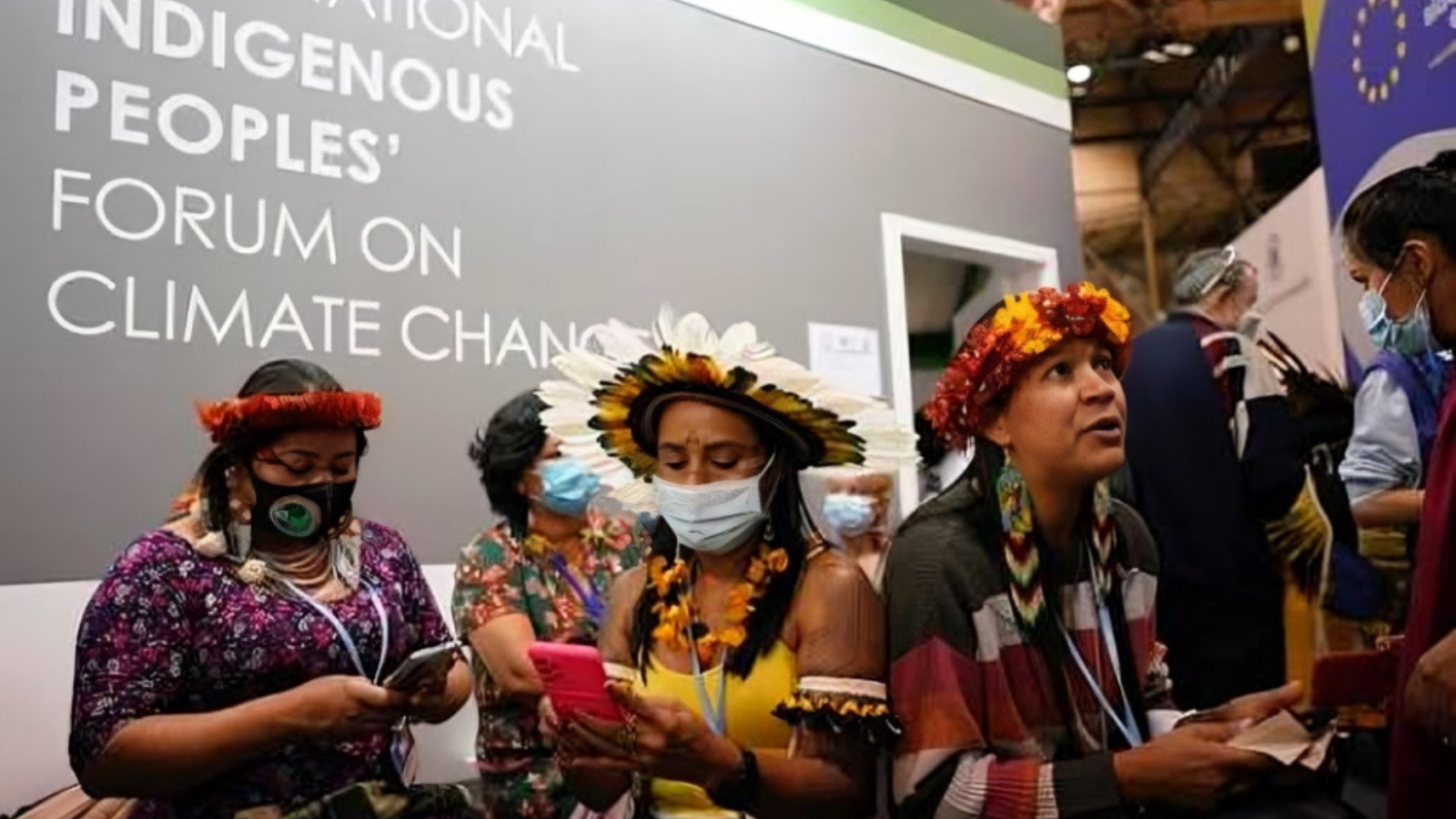
Public debate surrounding comments about Indigenous Australians has prompted strong responses from a range of political leaders, community representatives, and Indigenous advocates, with many rejecting the statements and calling for respectful discussion on Indigenous issues.
Several public figures criticized the remarks, arguing that public conversations about Indigenous history and culture should be based on facts, respect, and informed debate. They expressed concern that divisive language could undermine efforts to promote understanding and social cohesion.
Among those responding were Indigenous leaders and representatives who highlighted the long history of Aboriginal and Torres Strait Islander peoples, emphasizing their extensive knowledge systems, cultural traditions, governance structures, and land management practices developed over thousands of years.
Community advocates also stressed that discussions about Indigenous affairs should acknowledge the contributions and resilience of First Nations peoples. They pointed to the importance of recognizing Indigenous heritage, cultural knowledge, and historical experiences as part of Australia’s broader national story.
Some commentators argued that while public policy and educational issues are legitimate subjects for debate, discussions should remain constructive and avoid personal attacks or language that may cause division within the community.
The controversy has reignited wider conversations about Indigenous history, cultural recognition, reconciliation, and how these topics are discussed in public life. Many community leaders continue to encourage respectful dialogue that promotes understanding and reflects Australia’s diverse social and cultural landscape.





+ There are no comments
Add yours