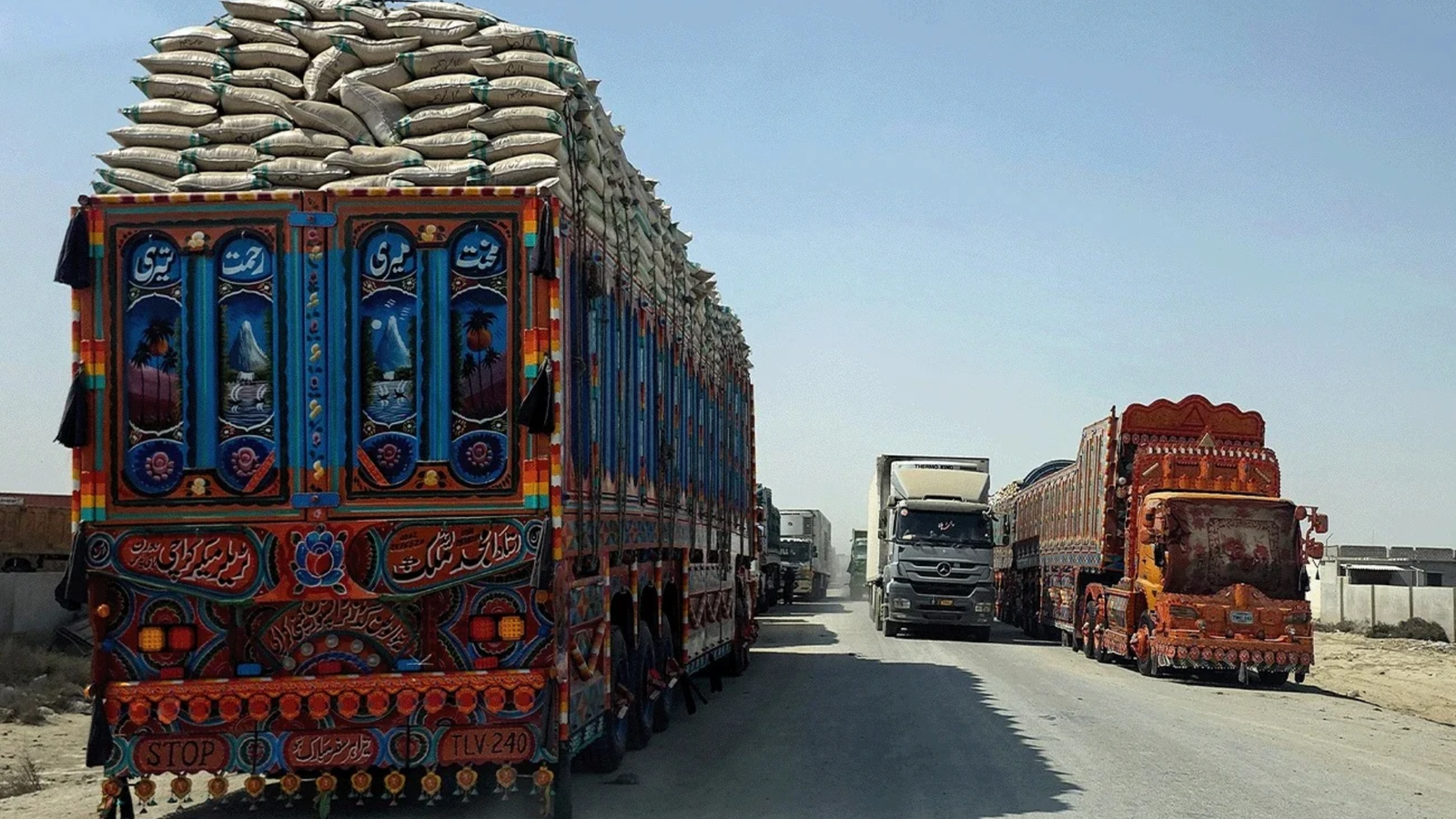
According to Mir Naveed Jan Kalmati, president of the Gwadar Chamber of Commerce, the border is only partially open, leaving a significant backlog of vehicles waiting to cross.
“There were three to four thousand trucks on the Iranian side and two to three thousand trucks on the Pakistani side,” Kalmati told AFP.
He said only selected vehicles are currently being allowed through as authorities attempt to gradually clear the congestion following a week-long border closure.
Dispute Over Trade Procedures
Meanwhile, Reza Amiri Moghadam, Iran’s ambassador to Pakistan, said there were no restrictions on the Iranian side, including exports of liquefied petroleum gas (LPG).
In comments posted on X, the ambassador blamed the disruption on changes to Pakistan’s import procedures.
According to Moghadam, modifications to Pakistan’s E-Form import system have created conditions that make it difficult for traders to dispatch cargo from Iran into Pakistan.
Pakistan’s Interior Ministry and Foreign Ministry had not publicly responded to requests for comment regarding the situation.
Businesses Urge Full Reopening
Business leaders on both sides of the border are calling for a complete resumption of trade operations.
Kalmati said transport operators and traders are becoming increasingly frustrated by the prolonged delays.
“They want to go back home, they want to continue their business,” he said.
Fida Ahmad Dashti, a businessman from Kech district in Balochistan, said traders had been informed that only vehicles carrying documentation prepared before October 16 were currently being permitted to cross.
Other business representatives in Balochistan reportedly confirmed receiving similar information from their drivers.
LPG Supply Chain Impact
The Gwadar Chamber of Commerce warned that the border restrictions and interruption of LPG imports are having wider economic consequences.
In a statement, the chamber said the suspension of imports and the sudden closure of the frontier had disrupted Pakistan’s LPG supply chain and contributed to sharp price increases.
The Iran-Pakistan border is a key trade route for fuel, consumer goods, and commercial imports, making prolonged disruptions a concern for businesses and consumers in both countries.








+ There are no comments
Add yours