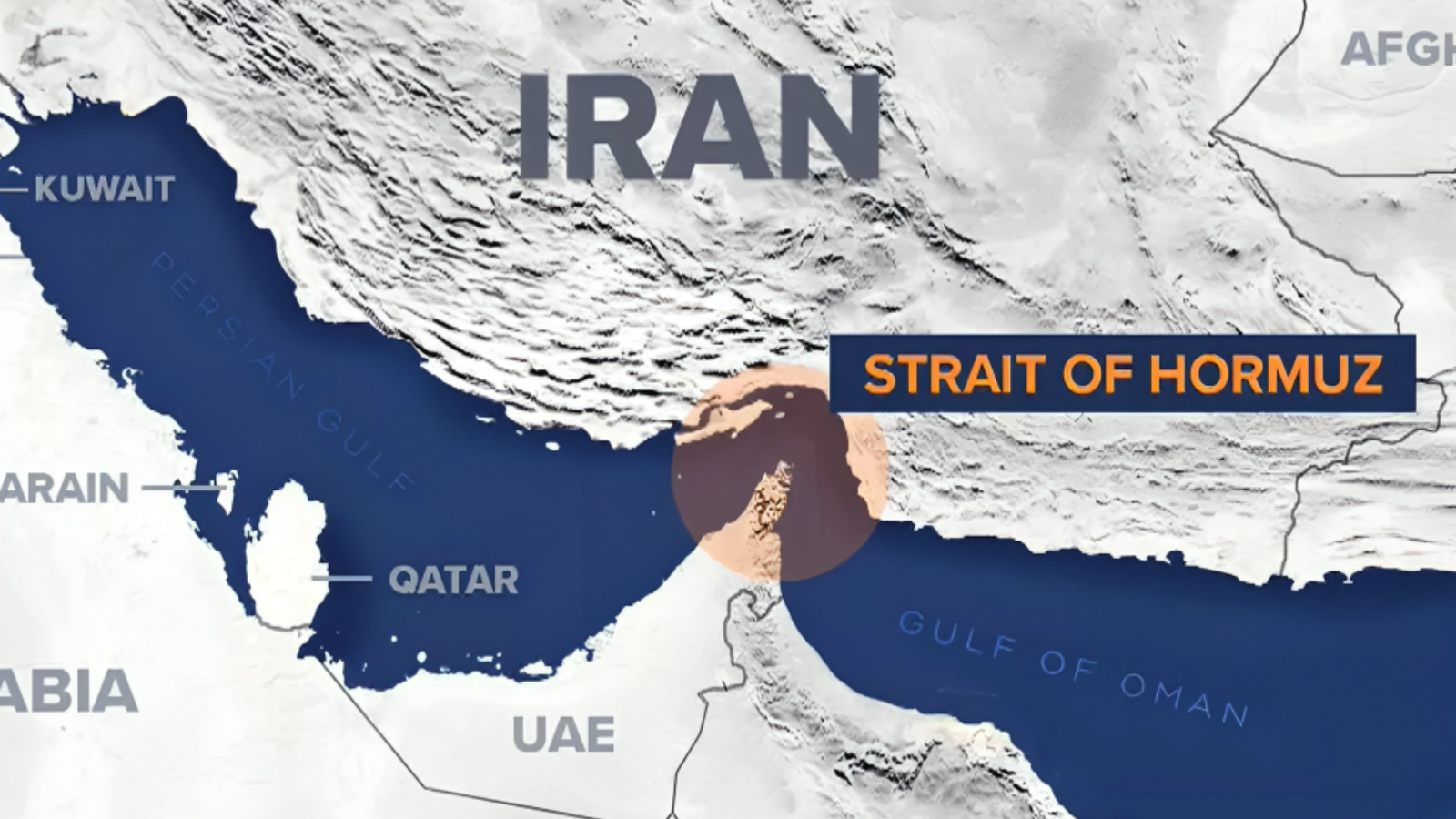
The Strait of Hormuz has become a global flashpoint once again a narrow stretch of water now capable of shaking the world economy with a single shift in tension. On the surface, the situation may appear calm, but beneath that calm lies a volatile mix of strategy, pressure and geopolitical brinkmanship.
In the past hour alone, Iran’s Islamic Revolutionary Guard Corps (IRGC) allowed several ships to pass through the strait despite ongoing US restrictions. Tehran framed the move as an act of “goodwill,” but behind that gesture sits a far more complex strategic calculation.
Iran is openly discussing war compensation, and one of the potential avenues is imposing tariffs on vessels crossing the Strait of Hormuz. Such a move would not only generate revenue but also reinforce Iran’s strategic leverage, given that a significant portion of the world’s energy supply flows through this narrow passage.
Yet the broader negotiations remain tangled. Iran wants an end to regional conflict, security guarantees, the lifting of sanctions, the return of frozen assets, a reset of regional relations, and a resolution to issues surrounding nuclear documents and enriched uranium stockpiles. Each demand adds another layer of complexity and another reason why uncertainty dominates the current landscape.
Recent IRGC‑released maps highlight a “danger zone” near Oman’s southern waters and a “safe zone” closer to Iran’s coastline. The message is unmistakable: Iran maintains decisive control over the strait, and that control is its most powerful strategic card.
As the world watches, one thing is clear uncertainty is not just a by‑product of the crisis; it is the crisis. And in this high‑stakes game, Iran’s moves have reshaped the calculations of its rivals, leaving many to wonder who will feel the heat next.





+ There are no comments
Add yours