
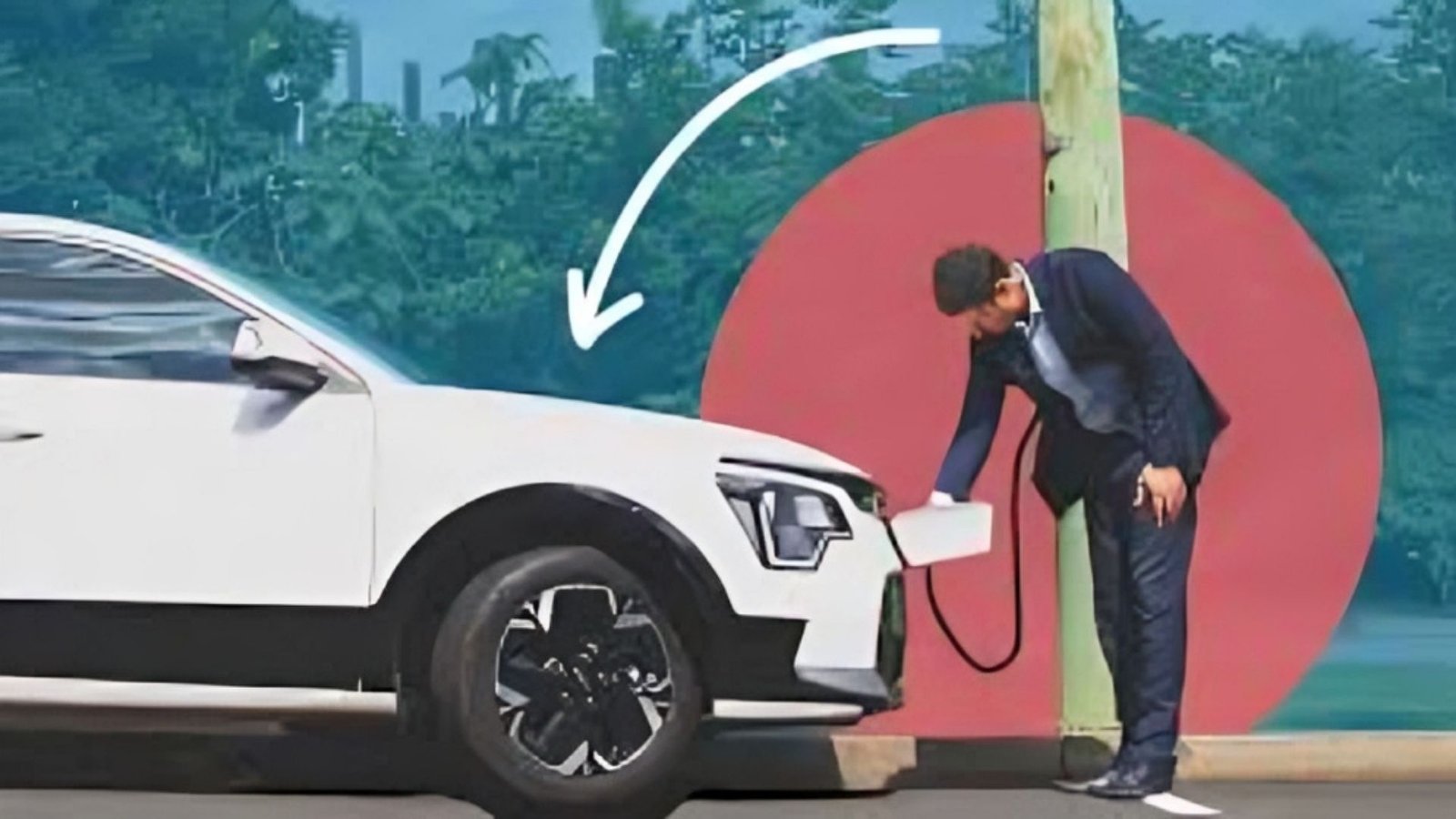
Australia’s appetite for electric vehicles has reached a new peak, with EVs accounting for one in every five new cars sold in May a milestone that underscores how rapidly the nation’s automotive landscape is shifting.
Fuel security concerns are accelerating the transition. When combined with hybrids and plug‑in hybrids, 46 per cent of all new vehicles sold last month were powered by alternatives to petrol and diesel. Even Australia’s most popular segment the traditionally fuel‑hungry SUV is undergoing a dramatic transformation. Sales of petrol SUVs plunged 31 per cent, diesel SUVs fell 41 per cent, while plug‑in hybrid SUV sales skyrocketed 377 per cent.
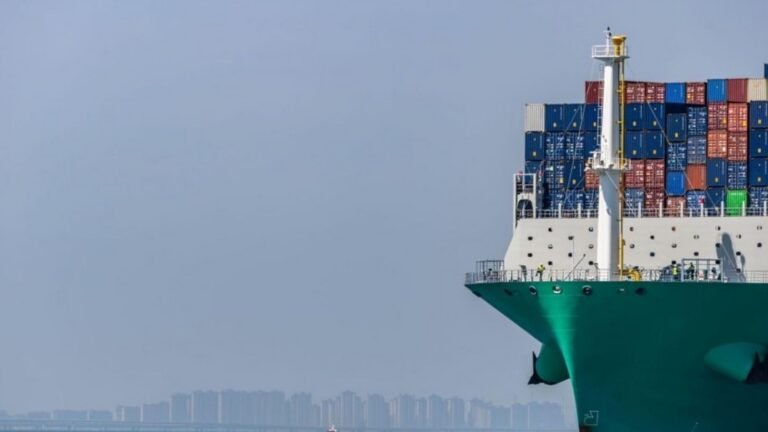
The surge comes as Chinese automaker BYD delivers its largest shipment yet to Australia. Almost 5,000 vehicles arrived in Melbourne this week the first batch of nearly 30,000 cars expected in the coming months. According to BYD chief operating officer Stephen Collins, most of the vehicles in this shipment were sold after the war in Iran began, a moment that triggered a sharp spike in demand.
“There’s no doubt that in March, when the war broke out in the Middle East, there was a significant surge for EVs,” Collins said. “The market’s settled back down now but certainly there was strong demand.”
Since launching in Australia in 2022, BYD says it has sold 120,000 vehicles both electric and petrol-powered and now operates more than 100 dealerships nationwide. Yet the company continues to face scepticism from some consumers and politicians due to cyber‑security concerns linked to technology embedded in its vehicles, a challenge shared by several Chinese manufacturers.
Despite those headwinds, the momentum behind EV adoption appears stronger than ever. With global instability pushing fuel prices higher and consumers increasingly seeking long‑term savings and energy independence, Australia’s shift toward cleaner transport is no longer a slow evolution it’s a rapid acceleration.







+ There are no comments
Add yours