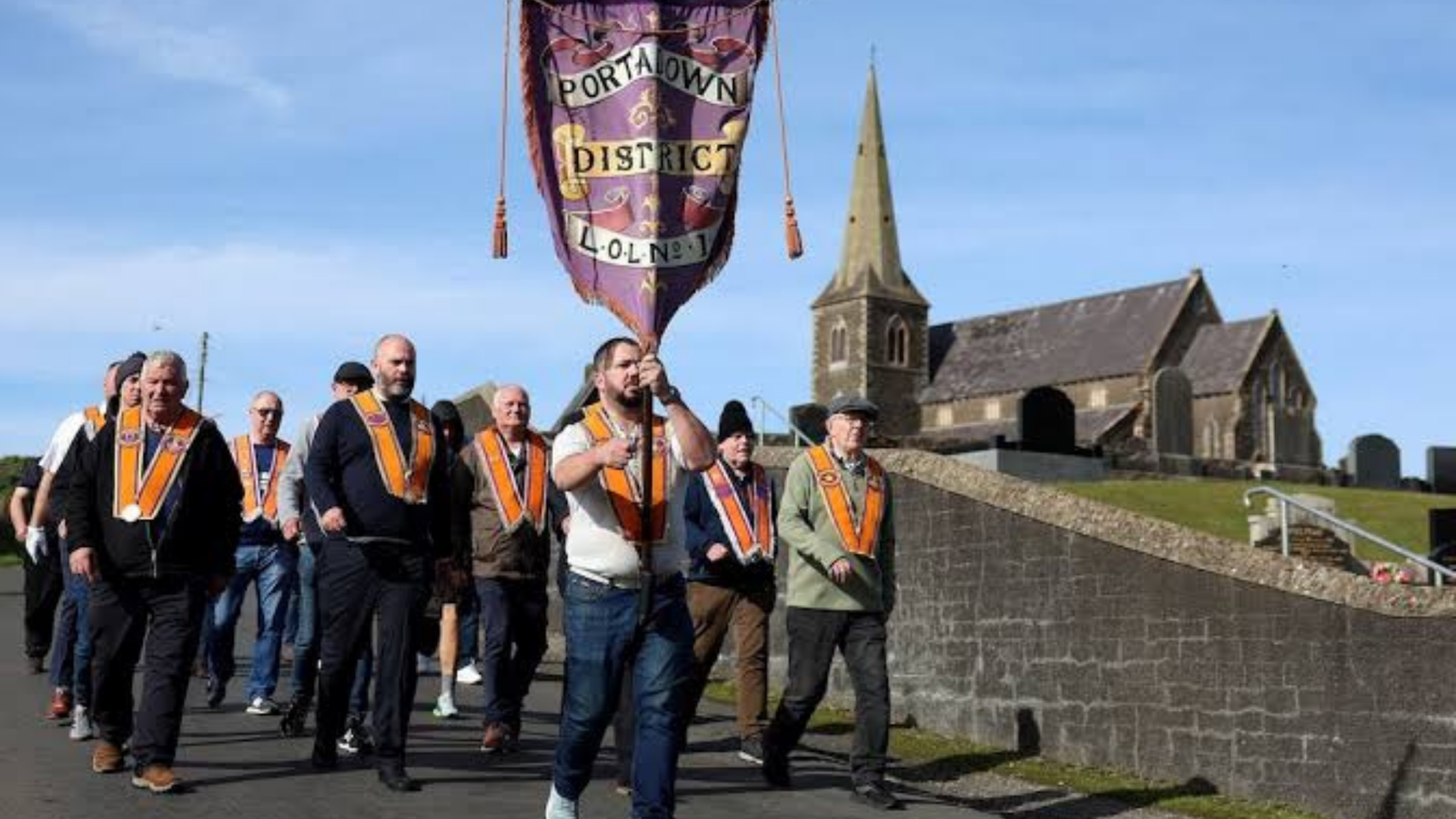
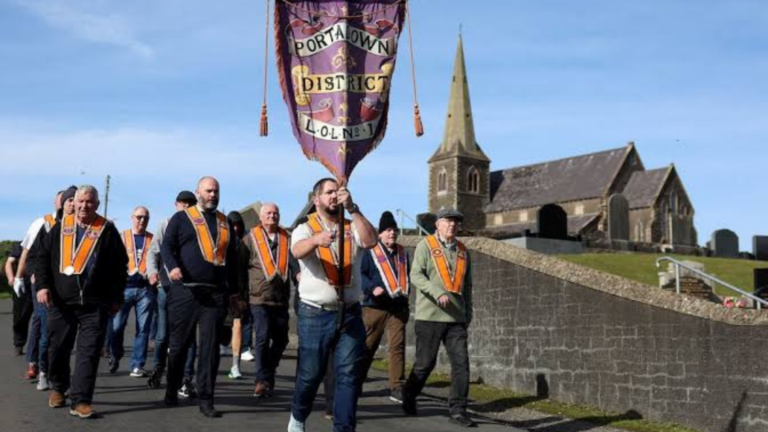
The British government has banned a contentious Orange Order march planned for Garvaghy Road in Portadown, Northern Ireland, following a two-week standoff between unionist groups and residents of the predominantly nationalist and republican area.
The decision was announced by Northern Ireland Secretary Chris Bryant, who said efforts to reach a compromise between the Orange Order, which supports Northern Ireland’s place within the United Kingdom, and local residents had failed.
“I’ve decided that it’s not in the public interest for it to proceed, and I’ve therefore banned the procession,” Bryant said.
The dispute centred on a proposed march through Garvaghy Road, a location with deep historical significance in Northern Ireland’s sectarian tensions. The area became a major flashpoint during The Troubles, the decades-long conflict involving republican and loyalist groups that largely ended with the 1998 Good Friday Agreement.
The controversy stems from the traditional summer marching season, during which unionist organisations, including the Orange Order, hold parades celebrating their Protestant heritage and historical links to the United Kingdom.
For many within the nationalist and Catholic community, however, such marches are viewed as provocative, particularly when they pass through areas where residents oppose them. Critics argue that the processions can inflame community tensions and revive painful memories of past conflict.
Tensions escalated this year after a court ruling appeared to open the possibility of an Orange Order march proceeding along Garvaghy Road for the first time in nearly 30 years.
The potential return of the parade generated strong opposition from local residents and community groups, leading to an extended dispute and raising concerns about public order and community relations.
The British government’s intervention is intended to prevent unrest and maintain stability in a region where issues surrounding identity, sovereignty, and cultural traditions remain highly sensitive.
Political leaders and community representatives are expected to continue discussions on how such disputes should be handled in the future, balancing rights to freedom of assembly with concerns about public safety and community cohesion.
The decision highlights the enduring legacy of Northern Ireland’s divided history, even nearly three decades after the Good Friday Agreement helped bring an end to widespread violence.





+ There are no comments
Add yours