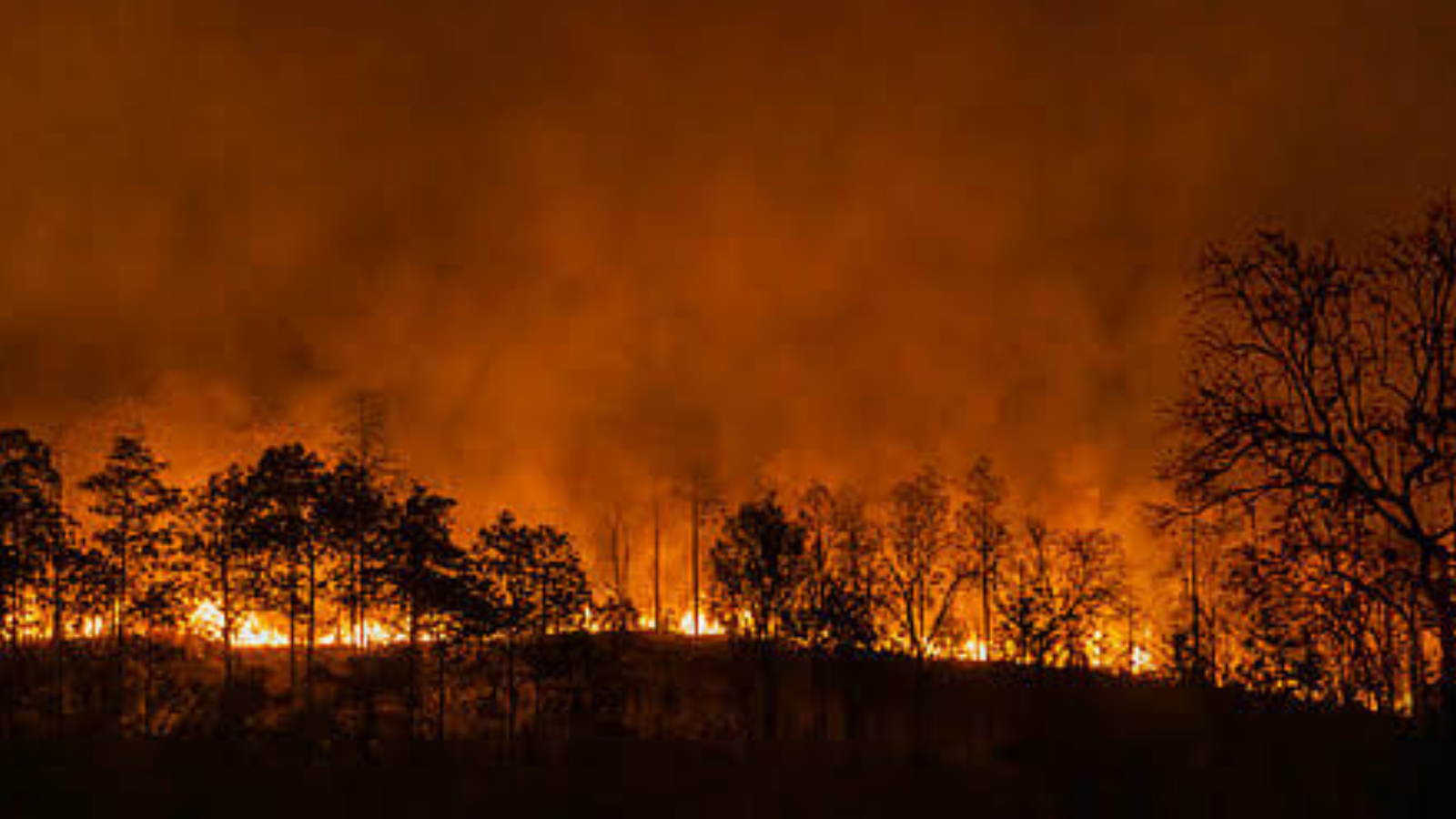
Weeks of intense wildfires in Indonesia have blanketed large parts of Southeast Asia in thick haze, causing severe air pollution in neighboring countries including Malaysia, Singapore, and the Philippines.
The transboundary smog, commonly known as the haze, has become one of the region’s most serious environmental and public health challenges this year. Singapore has recorded some of its highest pollution levels in recent years, while Malaysian authorities have ordered school closures in several affected states as air quality continues to deteriorate.
Experts say this year’s wildfire season is among Indonesia’s worst in years. The fires are largely being blamed on illegal slash-and-burn practices used by some farmers and companies to clear land at low cost. The situation has been further aggravated by an exceptionally strong, or “super,” El Niño event, which has intensified drought conditions and created ideal circumstances for fires to spread rapidly.
According to Indonesia’s Health Ministry, nearly 175,000 respiratory infection cases linked to the fires were recorded between July and September, highlighting the growing health impact of the crisis.
Concerns are also mounting in Malaysia, where residents say the haze has persisted for almost three months with little relief.
Dr Chai, a 35-year-old dentist living in Kuala Lumpur, attracted widespread attention after posting a viral video comparing the city’s skyline before and after the arrival of the haze. The footage showed a dramatic reduction in visibility caused by the dense smoke hanging over the capital.
Speaking about the situation, Dr Chai said he was increasingly worried about both public health and the local economy.
“The air is hot and polluted, and my throat has started to react. Phlegm built up,” he said.
He added that some people he knew had begun experiencing mild fevers and respiratory discomfort as exposure to polluted air continued.
Dr Chai also noted that Kuala Lumpur’s frequent thunderstorms, which typically help clear pollution from the atmosphere, have failed to improve conditions this time, underscoring the severity of the haze.
Health experts warn that prolonged exposure to smoke particles can increase the risk of respiratory illnesses, particularly among children, the elderly, and individuals with pre-existing medical conditions.
The haze has also disrupted daily life across the region, affecting transportation, tourism, outdoor activities, and economic productivity. Authorities in affected countries continue to advise residents to limit outdoor exposure when air quality reaches unhealthy levels and to wear protective masks when necessary.
Environmental groups have renewed calls for stronger enforcement against illegal land-clearing practices and greater regional cooperation to prevent recurring haze crises, which have repeatedly affected Southeast Asia over the past several decades.
As drought conditions persist and many fires remain active, officials warn that the haze could continue affecting millions of people across the region in the coming weeks.







+ There are no comments
Add yours