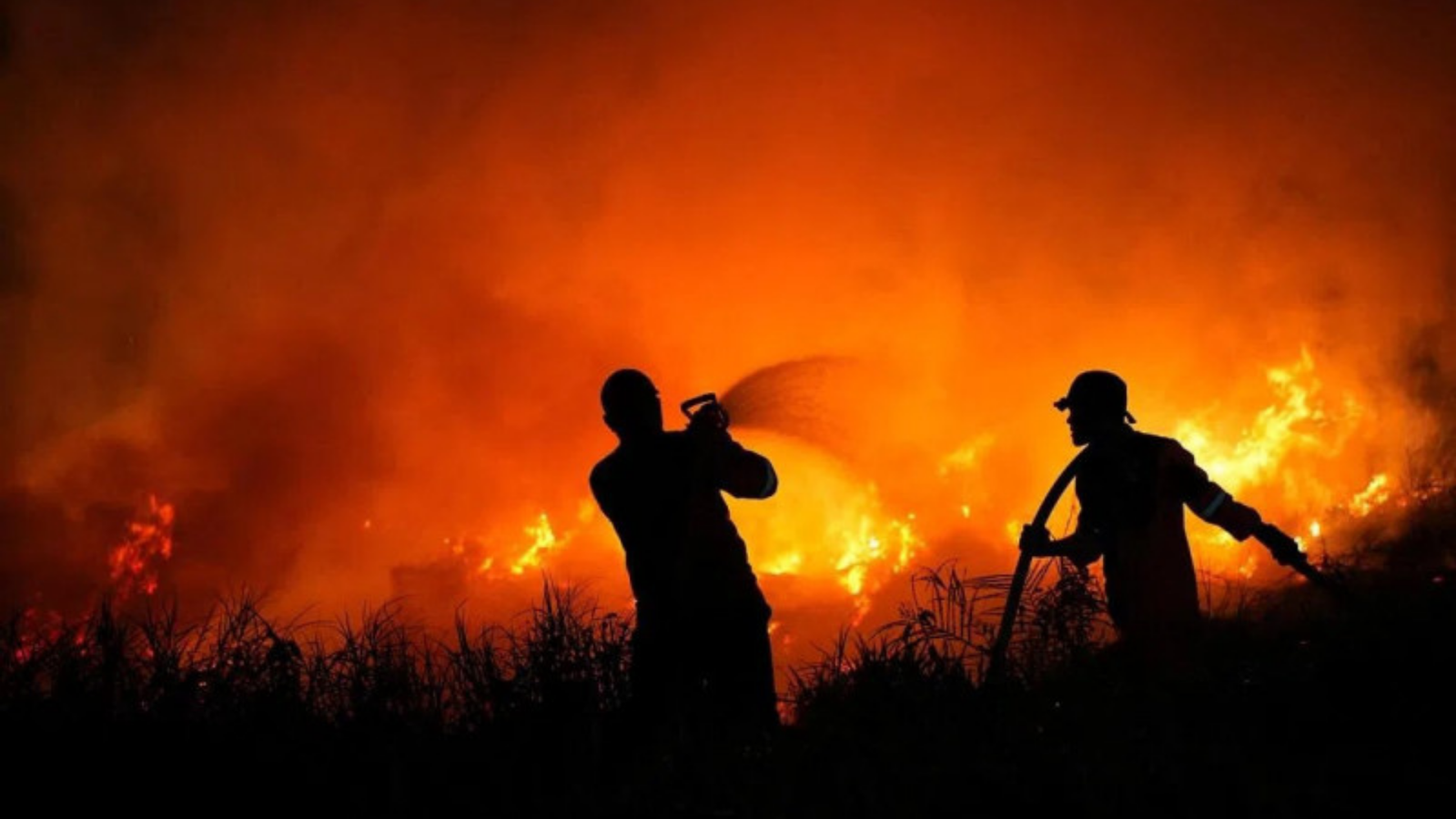
Malaysia has announced that it will deploy aircraft and firefighting personnel to assist Indonesia’s efforts to contain widespread wildfires that have been burning across parts of Borneo and Sumatra, causing severe haze pollution across the region.
Deputy Prime Minister Ahmad Zahid Hamidi confirmed on Saturday that Malaysia’s offer of assistance had been accepted by Indonesian authorities following discussions with Indonesian President Prabowo Subianto.
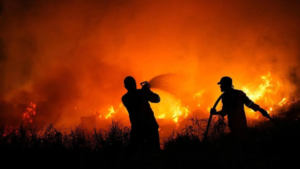
The wildfires have been raging for weeks, sending thick smoke across large areas of Indonesia and affecting air quality in neighboring countries, including Malaysia and Singapore. The resulting haze has raised concerns about public health, transportation, and environmental damage throughout the region.
According to Ahmad, Malaysia will deploy a Bombardier CL-415MP firefighting aircraft, three helicopters, and 52 personnel to support firefighting operations on the ground. The assistance is aimed at helping Indonesian authorities contain the blazes and prevent further spread of the fires.
The agreement followed a meeting between Ahmad and President Prabowo on Friday, during which both leaders discussed regional cooperation in addressing the ongoing environmental crisis. Ahmad said the two countries also explored long-term preventive measures to better manage future wildfire incidents and cross-border haze pollution.
President Prabowo welcomed the assistance and emphasized that the issue extends beyond national borders.
He noted that while the fires are occurring in Indonesia, their environmental and health impacts are being felt across neighboring countries, making regional cooperation essential.
The latest support reflects the close relationship between the two Southeast Asian nations and highlights growing efforts to address recurring wildfire and haze problems through joint action. Seasonal fires have long posed challenges across the region, particularly during periods of dry weather when forest and peatland fires can spread rapidly.
As firefighting operations continue, authorities in both countries are expected to coordinate closely to mitigate the effects of the fires and reduce the impact on communities affected by smoke and hazardous air quality.





+ There are no comments
Add yours