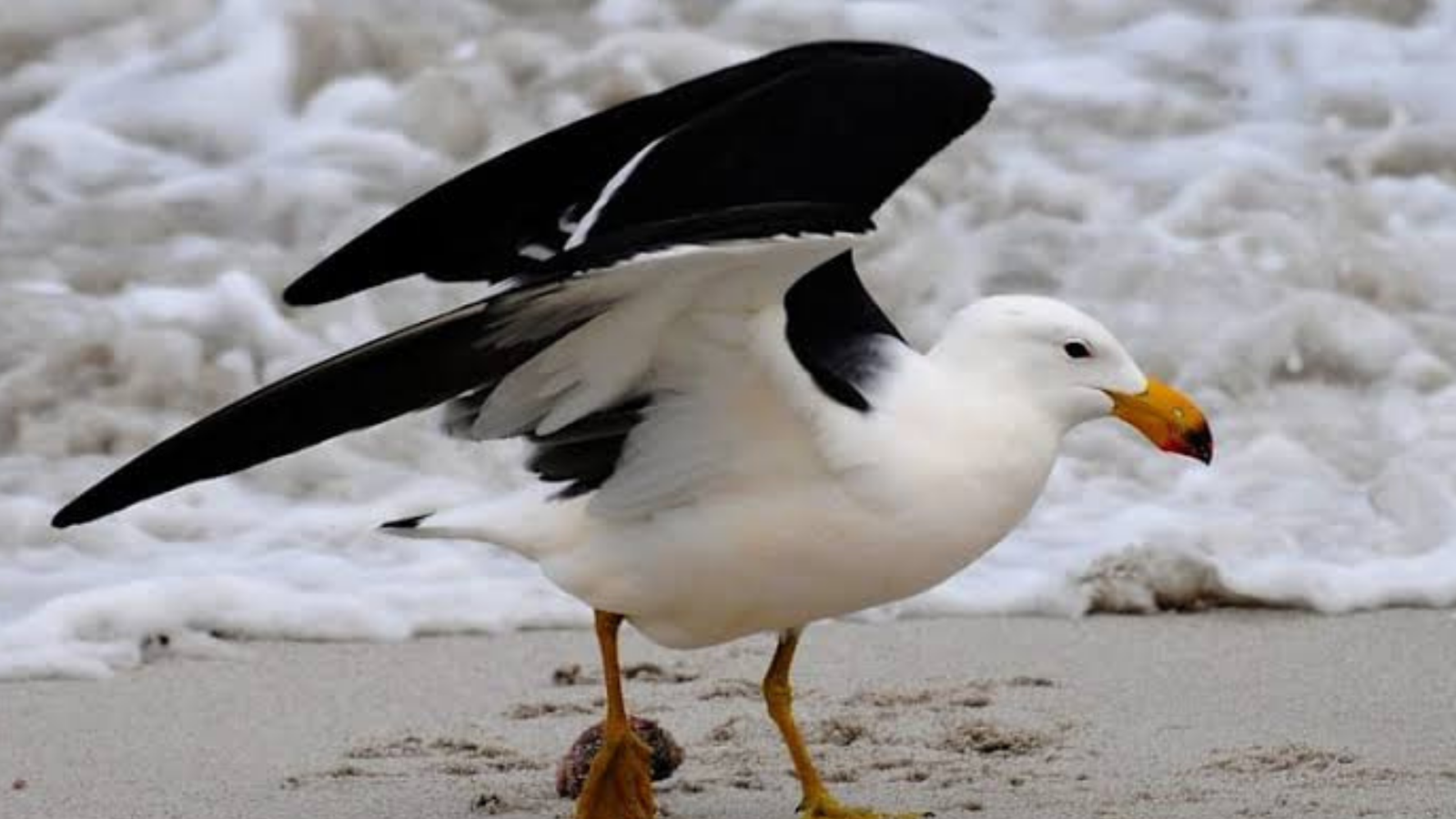
Australia has recorded its first case of the highly contagious H5 bird flu in a local seabird, marking a significant shift in the nation’s long‑standing status as the only continental landmass free of the strain.Laboratory testing confirmed the virus in a greater crested tern found in Robe, South Australia, the Agriculture Department announced Friday. Until now, all 12 confirmed H5 cases detected since June were found exclusively in migratory seabirds, not Australian wildlife.
Agriculture Minister Julie Collins described the development as “concerning but not unexpected,” noting that early investigations suggest the infected tern’s coastal range overlaps with migratory birds previously testing positive for H5. She stressed that there is no evidence of mass mortality, no sign of spread to other wildlife or agriculture systems, and human health risk remains low.
Authorities in South Australia have launched enhanced surveillance around Robe to track any further spread. Scientists are now examining potential pathways for the virus’s arrival, including the possibility it travelled via birds migrating from the sub‑Antarctic.
The detection has heightened fears for Australia’s unique fauna. Nearly half of Australia’s wild bird species and 83% of its mammals exist nowhere else, making them particularly vulnerable. Globally, the H5 strain has devastated waterfowl, shorebirds, seabirds, birds of prey, and even affected marine mammals and animals such as cats, goats, alpacas and pigs.
As early‑summer heat and shifting migration patterns reshape ecosystems, experts warn that vigilance will be crucial to protecting Australia’s biodiversity from a virus spreading rapidly across the world.









+ There are no comments
Add yours