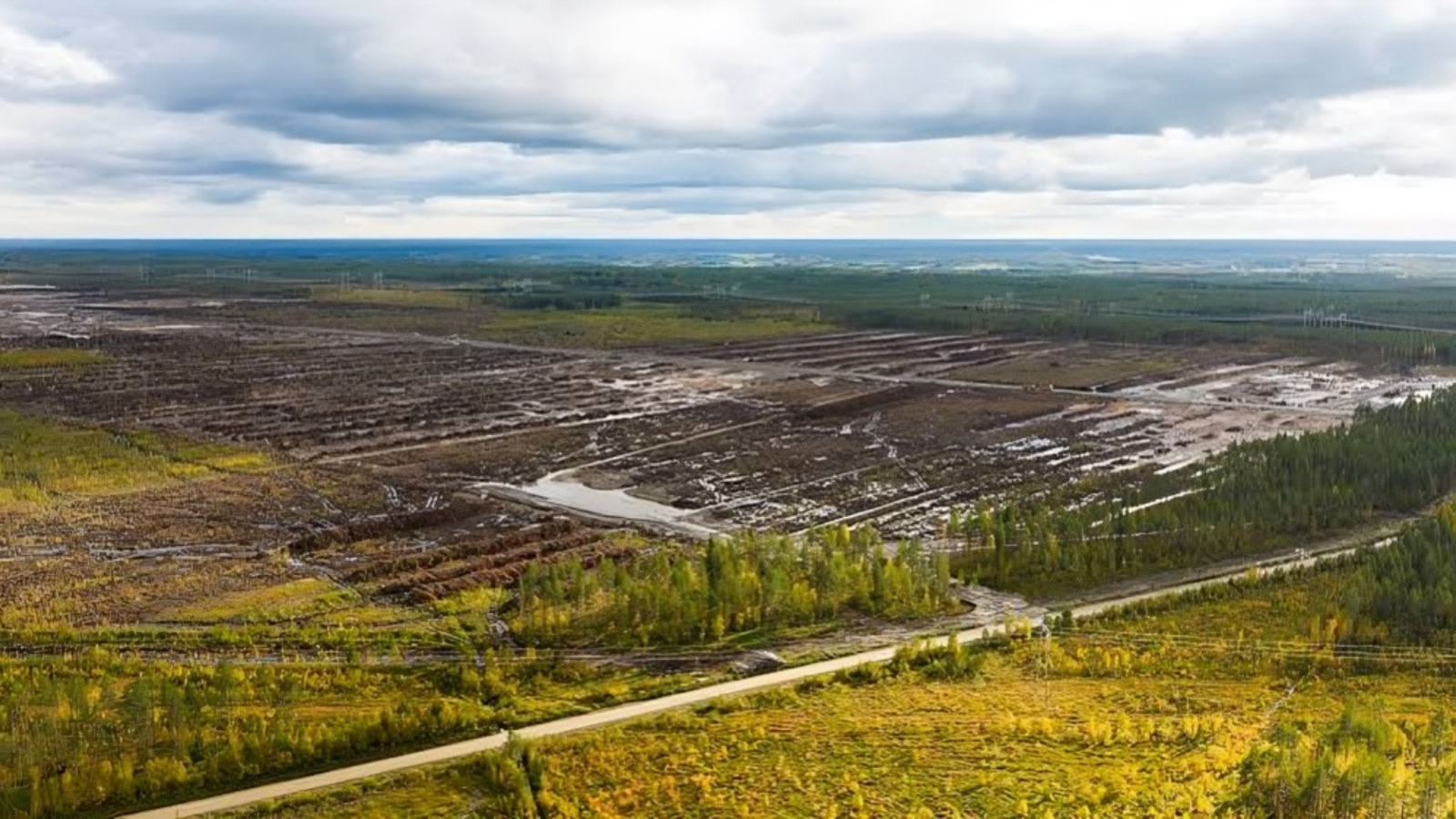
A major Google data centre project in Finland has come under scrutiny after Finnish police launched a criminal investigation into alleged environmental law violations linked to large-scale forest clearing at two proposed development sites.
The Oulu Police Department confirmed it has opened an investigation into Tuike, Google’s Finnish subsidiary, over activities carried out in Muhos in northern Finland.
According to authorities, Tuike cleared approximately 330 hectares of forest in Muhos and a further 200 hectares in Kajaani before mandatory environmental impact assessments had been completed. The matter is now being examined as a potential breach of Finnish environmental regulations.
The investigation comes at a sensitive time for the technology giant, which recently announced a US$15 billion (approximately A$21 billion) investment to expand artificial intelligence infrastructure in Finland. The company described the commitment as its largest investment in Europe to date.
Google’s ambitious expansion plans have generated significant interest due to Finland’s growing importance as a hub for data centres and AI infrastructure. However, the extensive clearing of forest land has also sparked controversy among environmental advocates and local residents.
Critics argue that the project’s environmental impact should have been fully assessed before large-scale land clearing commenced. Concerns have centred on biodiversity, habitat loss, and the long-term ecological consequences of removing large tracts of forest in the affected regions.
The controversy has attracted growing public attention in Finland, where environmental protection and sustainable development remain key public policy issues.
Authorities have not yet announced whether charges will be laid, and the investigation remains ongoing. The outcome could influence how future large-scale technology and infrastructure projects are assessed and managed in environmentally sensitive areas.
The case highlights the growing tension between rapidly expanding artificial intelligence infrastructure and environmental sustainability concerns, as countries and corporations seek to balance economic development with ecological protection.











+ There are no comments
Add yours