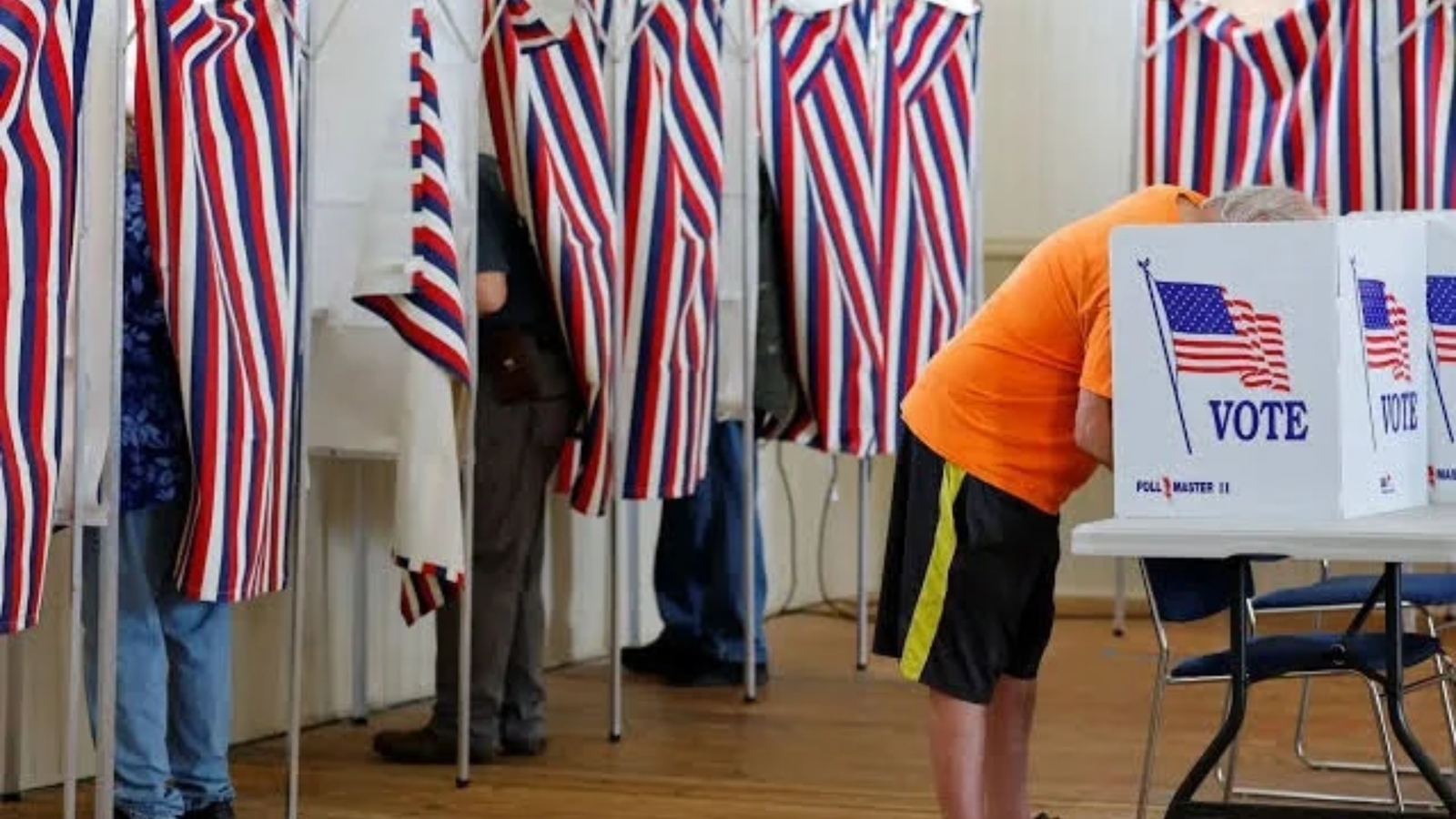
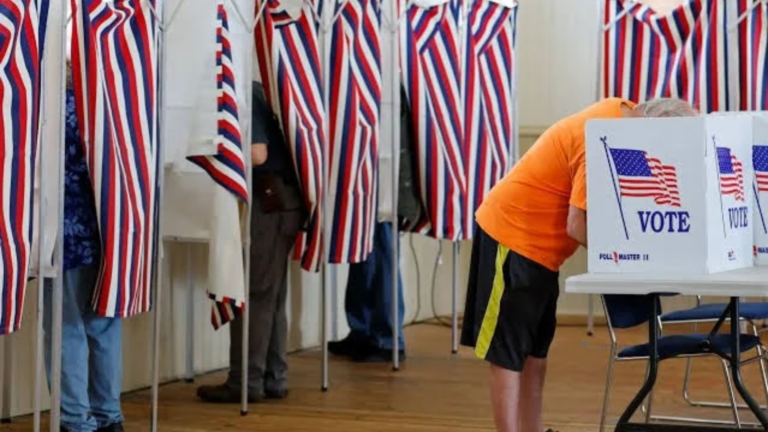
Rising prices for fuel, medicine, food, insurance and other everyday essentials have emerged as the defining issue of the US midterm elections, with millions of Americans heading to the polls amid growing concern over their financial future.
A recent Pew Research Center survey found that 84 percent of early voters identified the economy as their top concern this election cycle, highlighting the intense pressure households are facing as living costs continue to climb.
For many voters, the impact is being felt every day. In Fort Lauderdale, Florida, healthcare worker Kyler Daugherty described the strain of higher prices while filling up his vehicle.
“It’s ridiculous. Everything’s gone up, from food to transportation to gas prices,” he said.
Fuel prices have become a particular headache for American families. Official figures show US gasoline prices rose by 9.1 percent in September alone, adding to the burden on commuters and businesses already grappling with higher operating costs. In car-dependent states such as Florida, the impact is especially noticeable.
Attorney Matthew Moore said the effects of rising fuel costs extend far beyond the service station.
“It affects transportation, it affects goods, it affects everything. We transport a lot by truck. Air prices have gone up. My tickets home for Christmas have doubled since last year,” he said after casting his early ballot.
Economic frustrations are also testing confidence in President Donald Trump’s administration. Trump secured re-election in 2024 partly on promises to reduce prices and ease cost-of-living pressures. However, some voters remain unconvinced that those promises have translated into meaningful relief.
Social worker Melissa Reer said she never fully believed prices would quickly come down and remains concerned about mounting car and home insurance costs.
“I didn’t believe that promise then and I probably won’t continue to believe it. I think there’s a lot more changes that have to happen before prices can go down,” she said.
William Galston, a senior fellow at the Brookings Institution, argued that some of the administration’s key policy decisions have contributed to ongoing cost pressures, including tariffs and international conflicts that have affected global markets.
For many voters, however, opinions have already been formed. Michael Childs said his vote reflected his assessment of how elected leaders had managed the responsibilities entrusted to them.
While critics point to rising household expenses, the White House maintains that the administration’s policies are strengthening the economy and making life more affordable for Americans.
Yet financial challenges continue to affect millions of households nationwide. Symeria Hudson, CEO of United Way Miami, warned that economic hardship is increasingly reaching middle-class families.
“The financial hardship is creeping up in America, particularly the middle class,” she said.
United Way’s ALICE metric, which measures working individuals whose incomes fail to cover basic living expenses such as housing, food and healthcare, paints a concerning picture. According to the organisation, nearly 41 percent of America’s 132 million households fall below that threshold despite many adults being employed.
As Election Day approaches, the soaring cost of living continues to shape voter sentiment, making economic concerns the central battleground in one of the most closely watched elections in recent years.







+ There are no comments
Add yours