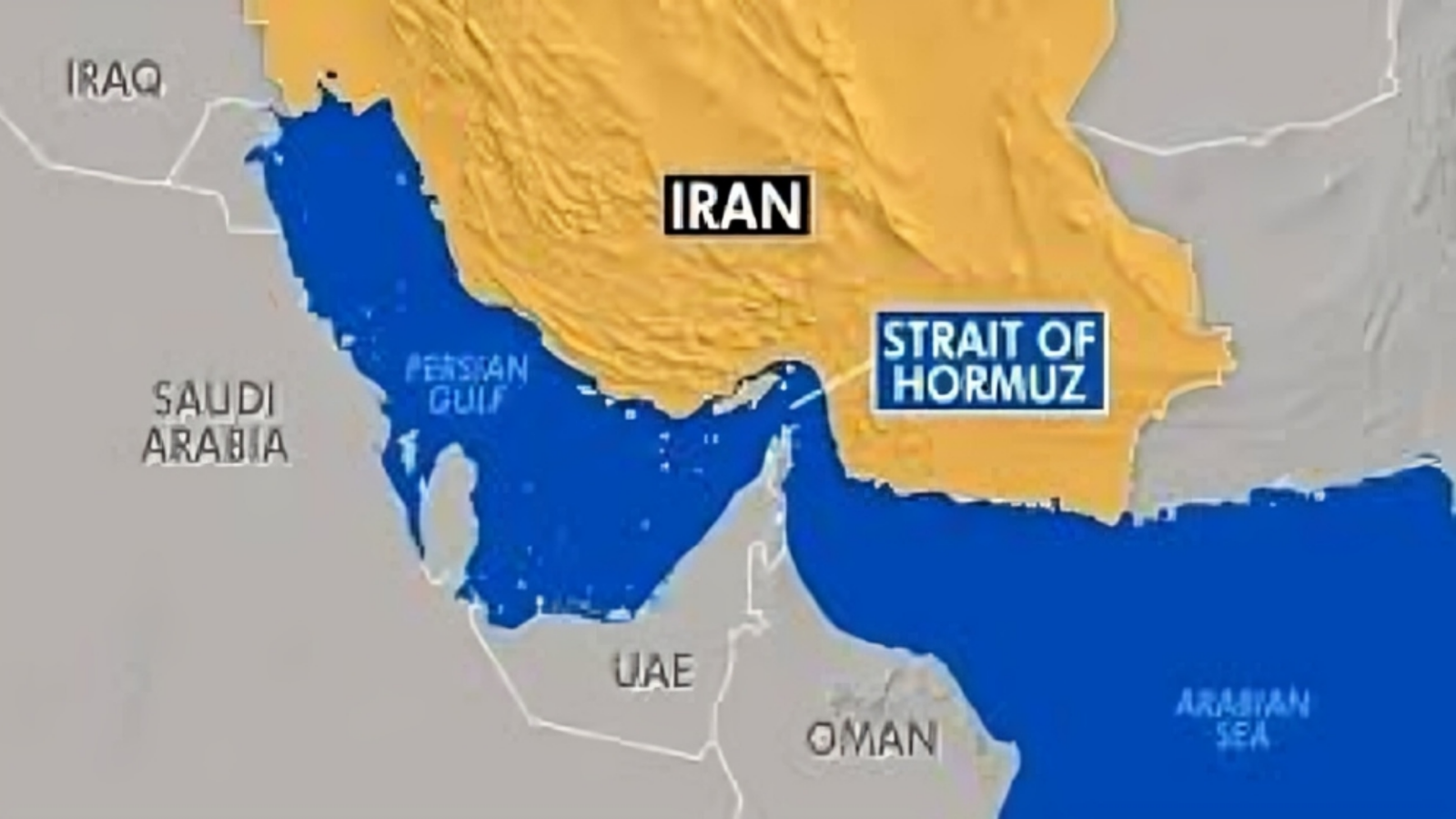
The closure of the Strait of Hormuz, combined with rising tensions in the Red Sea, is reshaping global trade at a scale not seen in decades. With traditional maritime corridors disrupted, Africa has rapidly emerged as a major hub for container traffic, forcing shipping giants and logistics operators to redraw their maps in real time.
Over the past two months, the blockade has pushed shipowners to seek alternative land‑based corridors to keep food, manufactured goods and essential supplies flowing into Gulf nations. With sea access cut off to several coastal countries, trucks are now carrying the load literally across vast desert highways.
The Saudi port of Jeddah has become the region’s unexpected new “hub,” receiving vessels from MSC, CMA CGM, Maersk and Cosco via the Suez Canal. From there, cargo is trucked to destinations such as Sharjah, Bahrain and Kuwait, which have been unreachable by sea since the disruptions began. But the surge in traffic is straining Jeddah’s capacity. According to Kpler Marine Traffic, 11 container ships were docked on Thursday, with nine more waiting and average unloading delays have doubled in a week.
Shipowners are also turning to ports outside the Strait of Hormuz, including Oman’s Sohar and the UAE’s Khorfakkan and Fujairah, all connected by land routes. Jordan’s port of Aqaba has become a key gateway for goods heading to Baghdad and Basra, while a Turkish corridor is feeding northern Iraq.
The ripple effects extend far beyond the Gulf. Asia‑Europe shipping routes have been avoiding the Suez Canal since late 2023, following the first Houthi attack on a container vessel. The detour around Africa’s eastern coastline and down to the Cape of Good Hope has now become standard practice. Industry leaders warn the situation is unlikely to improve soon, with 70 percent of Red Sea freight now rerouted around the Cape.
Data from the IMF’s PortWatch platform shows commercial traffic around the Cape has more than tripled in three years, while Red Sea transits have plunged by more than half. Between March 1 and April 24 this year, an average of 20 vessels rounded the Cape daily up from just six in the same period last year.
The consequences are significant. Shipping times between Asia and Europe have stretched by roughly two weeks. Fuel consumption has jumped by up to 50 percent, and fleets now require up to 20 percent more vessels to maintain schedules. Freight prices reflect the strain: the cost of transporting a standard 40‑foot container rose 14 percent in April compared with a year earlier, according to the Drewry index.
Yet amid the disruption, some ports are thriving. Morocco’s Tanger Med reported handling 11 million containers in 2025 an 8.4 percent increase as Africa cements its role at the centre of a rapidly shifting global trade network.











+ There are no comments
Add yours