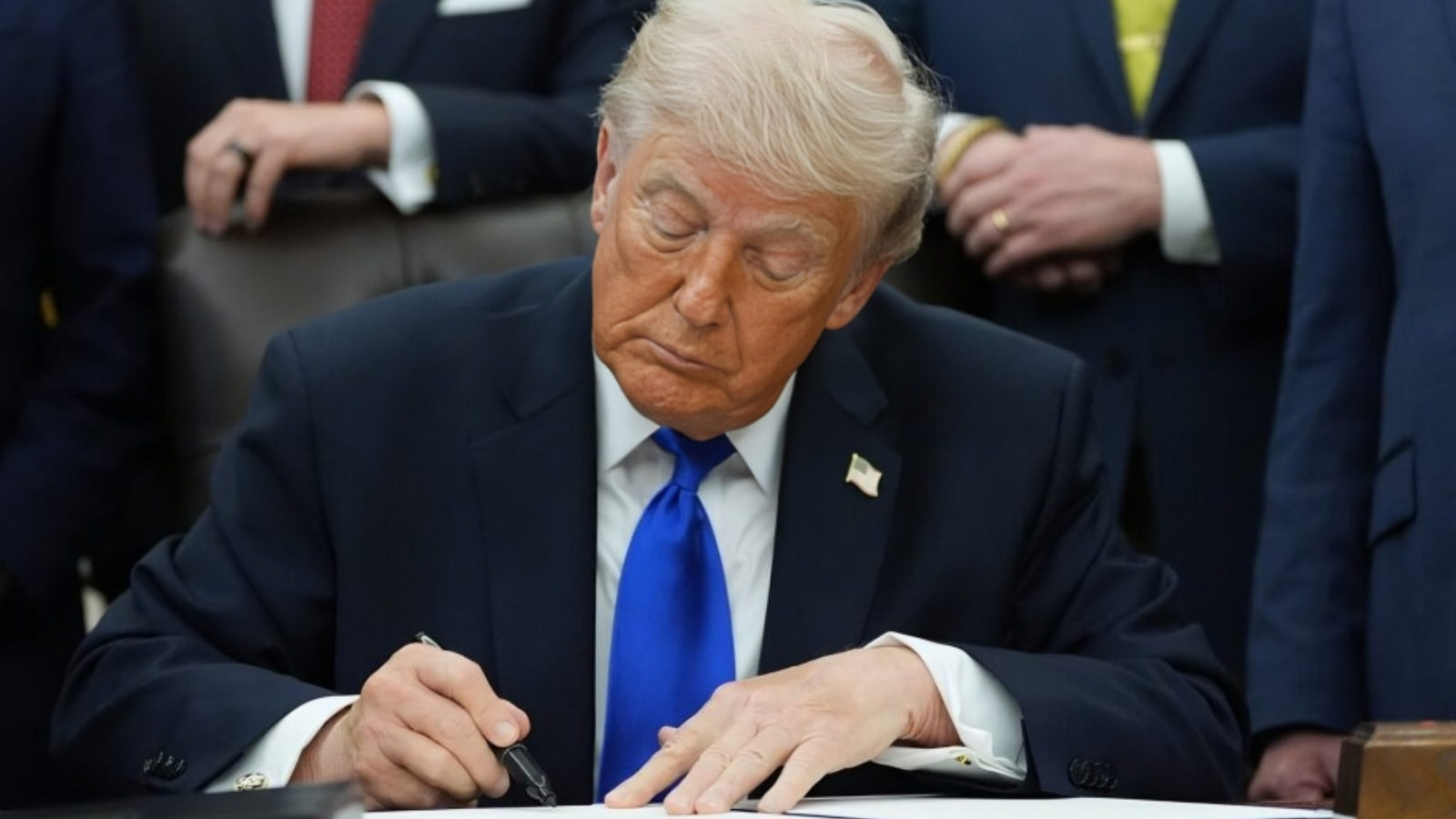
Many Republican lawmakers who once signalled discomfort with President Donald Trump’s military campaign in Iran had pointed to May 1 as the moment Congress would be forced to act. Yet that deadline is now set to pass without intervention, as GOP members continue to defer to the White House despite growing public unease.
Under the War Powers Resolution of 1973, Congress must authorize military action within 60 days of being notified of hostilities or 90 days if the president requests an extension. That 60‑day mark arrives Friday. Still, Congress left Washington for a week‑long recess after the Senate rejected a Democratic effort to halt the conflict for the sixth time.
The Trump administration has shown no interest in seeking congressional approval, arguing that the legal deadlines do not apply because the conflict “effectively ended” when a ceasefire began in early April. Defense Secretary Pete Hegseth told lawmakers the ceasefire pauses the 60‑day clock, while a senior administration official said the hostilities that began on February 28 “have terminated.”
Senate Majority Leader John Thune said he does not plan to bring forward a vote to authorize force in Iran, noting that he has not seen sufficient interest among Republicans to take that step. His stance reflects a broader reluctance within the party to challenge the president at a moment when the war’s impact including rising fuel prices is drawing increasing frustration from voters.
Some Republicans, however, have begun signalling that Congress cannot remain silent indefinitely. Alaska Senator Lisa Murkowski said she will introduce a limited authorization of military force if the administration does not present what she called a “credible plan” after the recess. Maine Senator Susan Collins, voting for the first time with Democrats to halt the war, said the president’s authority “is not without limits” and that the 60‑day deadline is “a requirement.”
Other GOP senators, including John Curtis, Thom Tillis and Josh Hawley, have also expressed interest in eventually holding a vote. Curtis said he would not support continued funding for the conflict without congressional authorization, urging both Congress and the administration to make decisions “in league with one another.”
Democrats have rejected the administration’s argument that the ceasefire resets the legal timeline, noting that U.S. forces remain deployed and active in the region. They argue that the law is clear: the clock continues unless hostilities fully end.
As the deadline arrives with no action from Congress, the standoff underscores a long‑running struggle over war powers and a growing divide over how much authority presidents should wield in matters of conflict.














+ There are no comments
Add yours