The memorandum of understanding signed on June 14 between the US and Iran ending more than three months of war and opening a 60‑day window for negotiations has been met with global relief. But behind the diplomatic breakthrough lies a far more complex question: can the economic relief Iran is demanding actually be delivered, and if so, how?
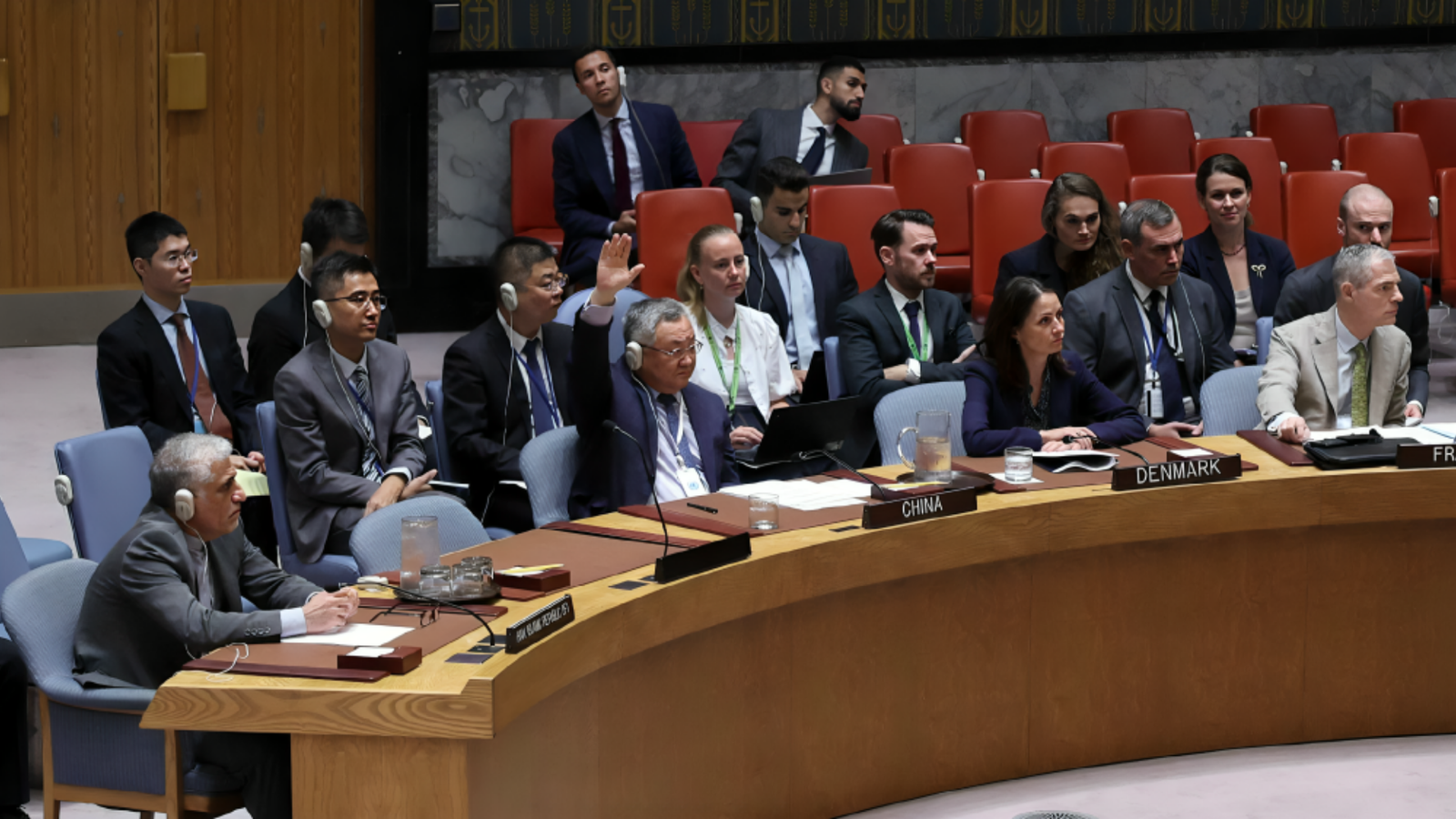
Experts say the answer runs directly through a deeply divided UN Security Council, where the fate of sanctions reimposed last year hinges on unanimity a rarity in today’s geopolitical climate.
Under the framework deal, the US and Iran have agreed to an “immediate and permanent” halt to military operations on all fronts, including Lebanon. A formal signing ceremony is scheduled for June 19 in Switzerland. Iranian state media has circulated what it claims is a 14‑point draft, including the release of $24 billion in frozen Iranian assets during the negotiation period, though neither Washington nor Tehran has publicly confirmed the details.
What both sides do agree on is the timeline: negotiations on a final accord must conclude within 60 days, extendable only by mutual consent. For Iran, the top priority is clear the termination of all UN and IAEA resolutions against it.
That demand collides head‑on with the contentious issue of snapback sanctions, one of the most fiercely debated legal mechanisms in recent Security Council history.
Snapback was built into UN Security Council Resolution 2231, which endorsed the 2015 Iran nuclear deal, the JCPOA. The mechanism allowed any participant to trigger the automatic reimposition of six previous sanctions resolutions if Iran was deemed non‑compliant a process immune to veto.
On August 28, 2025, the E3 France, Germany and the UK triggered snapback, and when the Council failed to adopt a resolution to preserve sanctions relief, the full suite of UN sanctions returned on September 27. These include restrictions on Iran’s nuclear and missile programs, asset freezes, travel bans and limits on Iranian banks’ access to the global financial system.
The new US-Iran peace agreement does not override any of these measures.
“Only the Security Council can agree to undo the sanctions that were reimposed by the snapback mechanism last August,” said Daniel Forti, senior analyst at the International Crisis Group. He noted that while the memorandum signals potential US willingness to consider sanctions relief, any reversal requires unanimous approval from a Council fractured by geopolitical rivalries.
For now, the world is watching whether the diplomatic momentum can survive the legal and political minefield ahead and whether the Security Council can unite long enough to turn a fragile framework into a lasting peace.










+ There are no comments
Add yours