Ten years on from the Brexit referendum, the issue that defined the vote immigration remains as politically explosive as ever. On June 23, it will be a full decade since Britain narrowly chose to leave the EU, driven in large part by warnings from Brexit campaigners about what they called “out‑of‑control immigration.” Yet the numbers tell a different story: immigration today is slightly higher than it was at the time of the vote.
According to the Office for National Statistics, 758,000 immigrants arrived in the UK in the year ending June 2016. In the year ending June 2025, the figure was 761,000. Despite repeated promises from successive governments, public concerns about migration have not been resolved and the consequences are now spilling onto the streets.
Last week’s violent unrest in Belfast underscored how toxic the debate has become, threatening social cohesion and reshaping the political landscape. Much of the public and media focus has centred on asylum seekers crossing the English Channel in small boats, even though they account for less than 5% of total immigration. The Migration Observatory at the University of Oxford reports that 36,000 people arrived by small boat in the year to May 31 down 13% from the previous year.
Former prime minister Rishi Sunak’s pledge to “stop the boats” in 2023 became a defining political test, one he ultimately failed. The July 2024 general election swept Labour into power under Sir Keir Starmer, ending 14 years of Conservative rule. But beneath that result was a second political story one now accelerating.
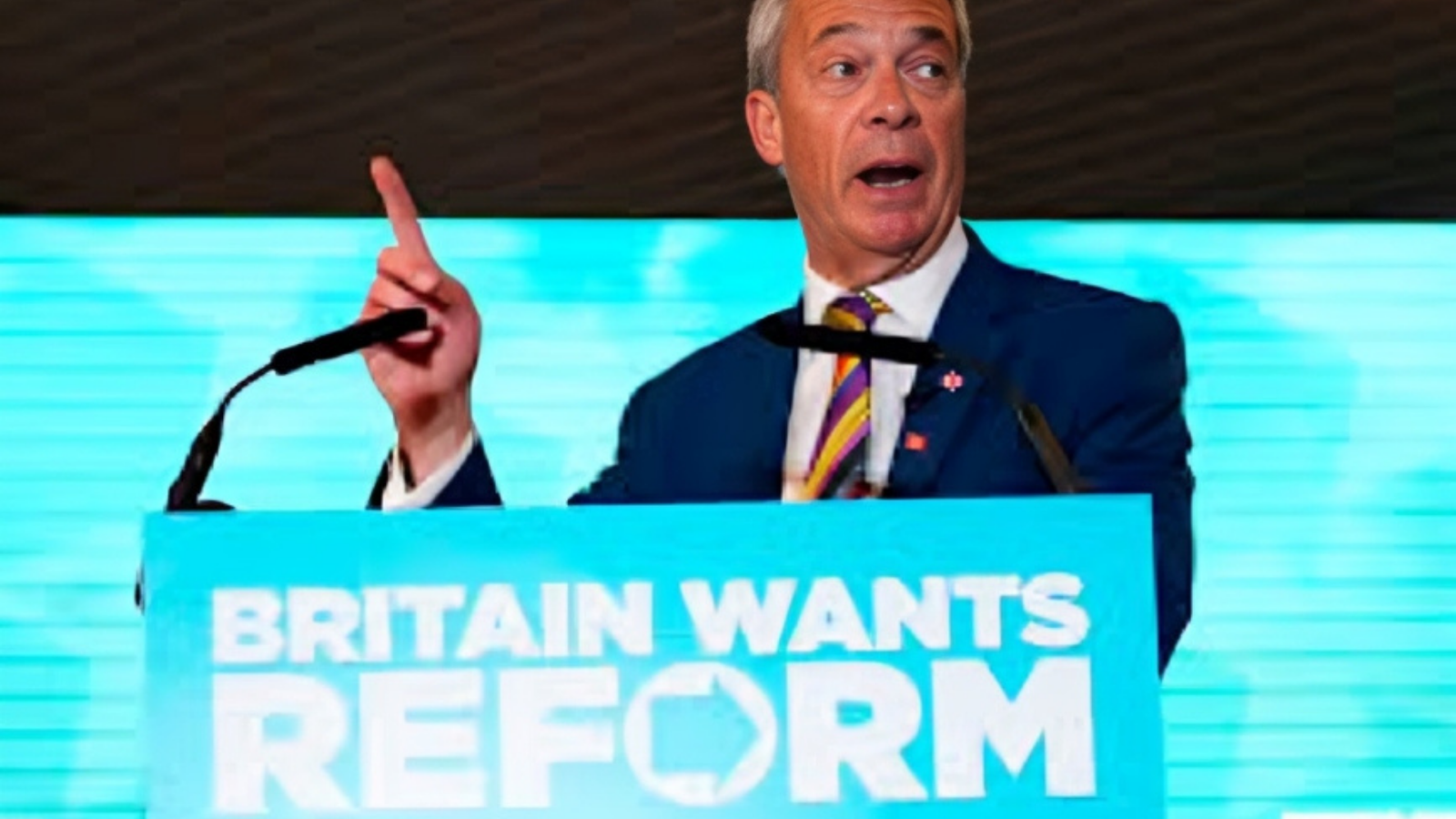
Reform UK, the successor to the Brexit Party and led by Nigel Farage, won five seats and secured 14.3% of the national vote, signalling a dramatic rise in support. Since then, several disillusioned Conservative MPs including former Home Secretary Suella Braverman have defected, bringing Reform’s total to eight seats.
The party’s surge is being fuelled by a combustible mix of online outrage, riots linked to anti‑immigrant sentiment, and a growing belief among voters that mainstream parties have failed to deliver on Brexit’s core promise: control of Britain’s borders.
Prime Minister Starmer has vowed to crack down on “anyone who is fueling this division,” but the political winds are shifting. A decade after Brexit, immigration remains the defining fault line in British politics and the forces it unleashed are still reshaping the country.













+ There are no comments
Add yours