
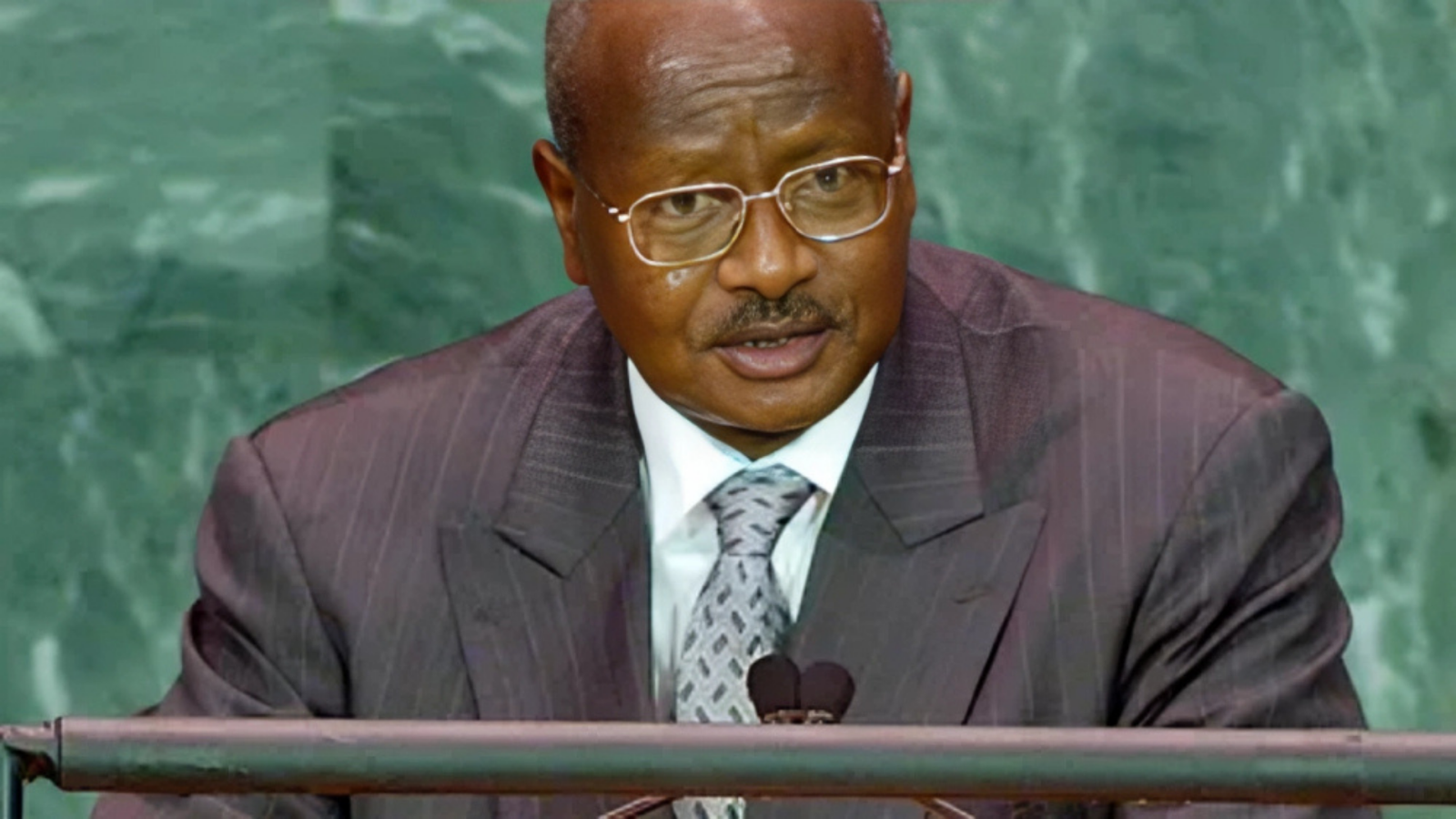
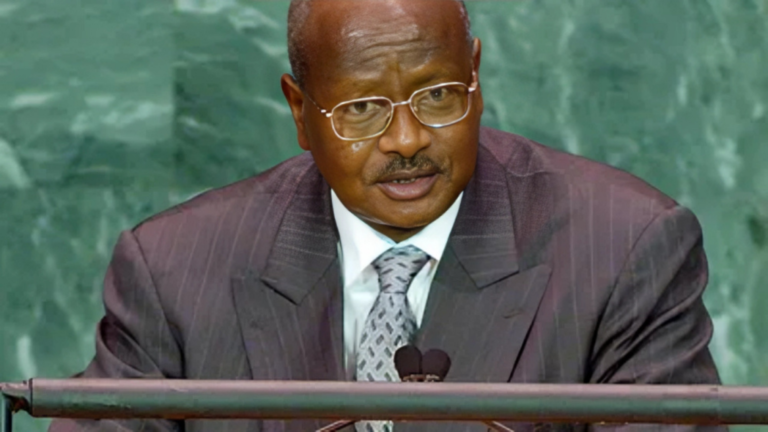
Ugandan President Yoweri Museveni, now 81, is set to be sworn in for yet another five‑year term extending a presidency that has lasted four decades and defined the political reality for millions of Ugandans. While this inauguration may mark the twilight of his long rule, it does not necessarily signal the end of the Museveni family’s grip on power.
In the days leading up to the ceremony, Museveni’s son and widely viewed successor, Gen. Muhoozi Kainerugaba, personally oversaw rehearsals for the military parade in Kampala. Russian‑made Sukhoi fighter jets roared overhead as preparations unfolded, underscoring the military’s central role in Uganda’s political landscape.
Across the country, there is a growing acceptance that Museveni’s era is drawing to a close. What remains uncertain is how the transition will unfold and how orderly it will be.
Kainerugaba, 52, has made no secret of his ambition to succeed his father, declaring recently that his mission is “unstoppable.” Analysts say he has two realistic paths to the presidency: an unconstitutional but bloodless takeover, or a constitutional amendment enabling the ruling party’s overwhelming parliamentary majority to select him as Museveni’s successor.
A competitive election is widely seen as the least likely route, given the strength of opposition figures such as Bobi Wine, who has twice challenged Museveni at the polls.
Political signals from within the ruling establishment point clearly toward Kainerugaba. Parliamentary Speaker Anita Among recently told lawmakers celebrating the general’s birthday that they would “do whatever it takes” to support his presidential ambitions. Her remarks reflect a broader wave of political figures rushing to align themselves with the army chief a move many see as essential for survival in a shifting power structure.
Observers note that Museveni, who has not indicated when he plans to retire, increasingly relies on his son to manage defence and security matters. “The de facto transition has already happened,” said analyst Angelo Izama, arguing that Kainerugaba now wields more influence than the president in key sectors.
Kainerugaba’s rise has long been controversial. Critics have labelled it the “Muhoozi Project,” a strategy to entrench hereditary rule. Both father and son denied such plans for years, but recent developments have made the prospect appear increasingly likely.
A career military officer, Kainerugaba trained in the United States and Britain before taking command of the presidential guard, which has since evolved into an elite special forces unit. Beyond the military, he founded the Patriotic League of Uganda, a political movement that has attracted ministers, business leaders and other influential supporters. His style is more confrontational than his father’s, and his growing influence has reshaped Uganda’s political landscape.
As Museveni begins his eighth term, Uganda stands at a pivotal moment. The question is no longer whether a transition is coming but what form it will take, and how the country will navigate the most significant political shift in its modern history.





+ There are no comments
Add yours