
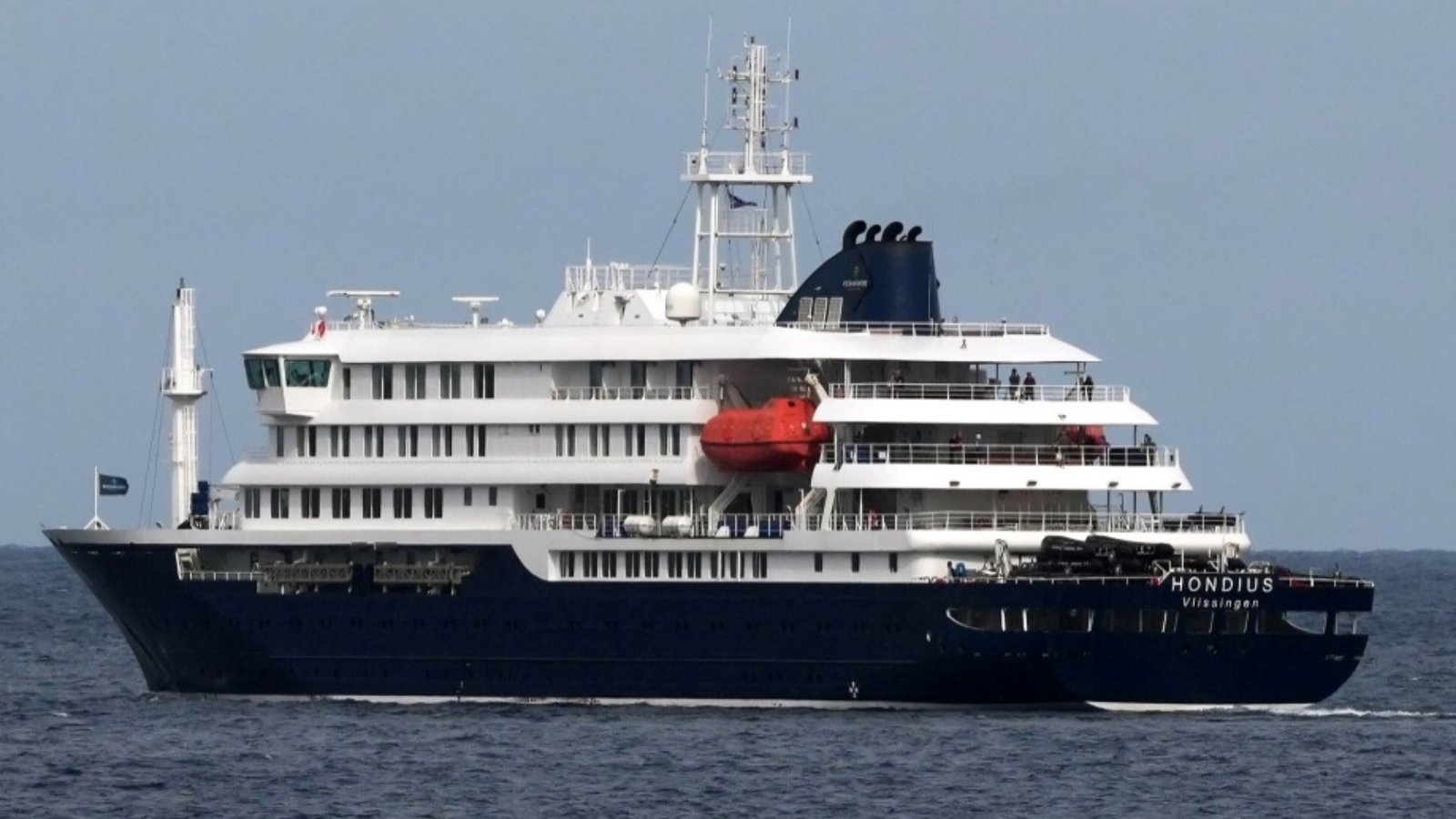
Spanish authorities are preparing for the carefully controlled arrival of more than 140 passengers and crew from a hantavirus‑affected cruise ship, which is expected to dock in Tenerife early Sunday. Officials say the MV Hondius will be met in a fully isolated, cordoned‑off zone as health teams begin a slow, methodical evacuation.
Virginia Barcones, Spain’s head of emergency services, said the operation is designed to minimise any risk of exposure. The Dutch‑flagged vessel has been under close international scrutiny, with the Netherlands coordinating with the ship’s owner and governments whose citizens are on board.
The United States has agreed to send an aircraft to repatriate its 17 nationals, while the UK government will charter a plane to evacuate nearly two dozen British passengers. At least three passengers have died, and several others are ill, though the World Health Organization maintains that the wider public risk remains low. A flight attendant who briefly boarded a plane with an infected passenger has tested negative, easing fears of broader transmission.
Hantavirus is typically spread through inhalation of contaminated rodent droppings and is not easily transmitted between people. However, the Andes strain linked to this outbreak has shown rare instances of person‑to‑person spread. Symptoms can appear between one and eight weeks after exposure.
Cruise operator Oceanwide Expeditions said no one currently on board is showing symptoms. Still, health agencies across four continents are racing to trace passengers who disembarked before the outbreak was detected, as well as anyone who may have come into contact with them.
The Hondius incident has triggered one of the most complex international public‑health tracking efforts since the pandemic era but experts stress this is not a repeat of COVID‑19. “The risk remains absolutely low,” WHO spokesman Christian Lindmeier said.





+ There are no comments
Add yours