
Russia unleashed a wave of ballistic missiles and drones across Ukraine overnight, killing at least 21 people in a series of strikes that tore through residential neighbourhoods, transport hubs and industrial sites. It was the deadliest attack Kyiv and its surrounding region have endured this year, prompting President Volodymyr Zelensky to warn that delays in air‑defence supplies from allies are costing lives.
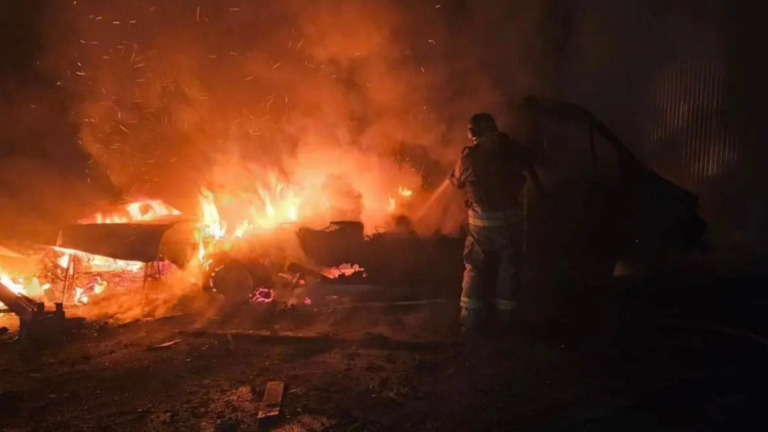
Kyiv was hit hardest, with missiles slamming into apartment blocks, a railway station and multiple warehouses. Emergency crews worked through the night as officials warned that more people could be trapped beneath the rubble. One person was confirmed dead in the capital and at least 16 injured, while the wider region recorded 16 deaths and 29 injuries.
Zelensky said Ukraine did not intercept any of the ballistic missiles used in the attack, underscoring the country’s urgent need for additional US‑made Patriot interceptors. He said the supply of anti‑ballistic systems from partners had been “significantly reduced” this year, adding that such shortages lead directly to “horrific casualties and destruction.”
Kharkiv and Donetsk also suffered deadly strikes. In Kharkiv, one person was killed and several injured including one in critical condition after Russian shelling hit civilian areas. Three more people were killed in Donetsk.
Russia’s defence ministry claimed responsibility for the barrage, saying it had targeted logistics hubs and supply centres involved in storing and distributing weapons, ammunition and unmanned aerial vehicles. It also said it struck three cargo vessels near Odesa that it alleged were transporting military equipment. Ukraine has not confirmed those claims.
As rescue teams continue searching damaged buildings, the attack highlights Russia’s increasing reliance on high‑casualty ballistic strikes and Ukraine’s increasingly strained air‑defence capabilities. With civilian areas repeatedly in the crosshairs, pressure is mounting on Kyiv’s allies to accelerate deliveries of advanced interceptors before the next wave arrives.









+ There are no comments
Add yours