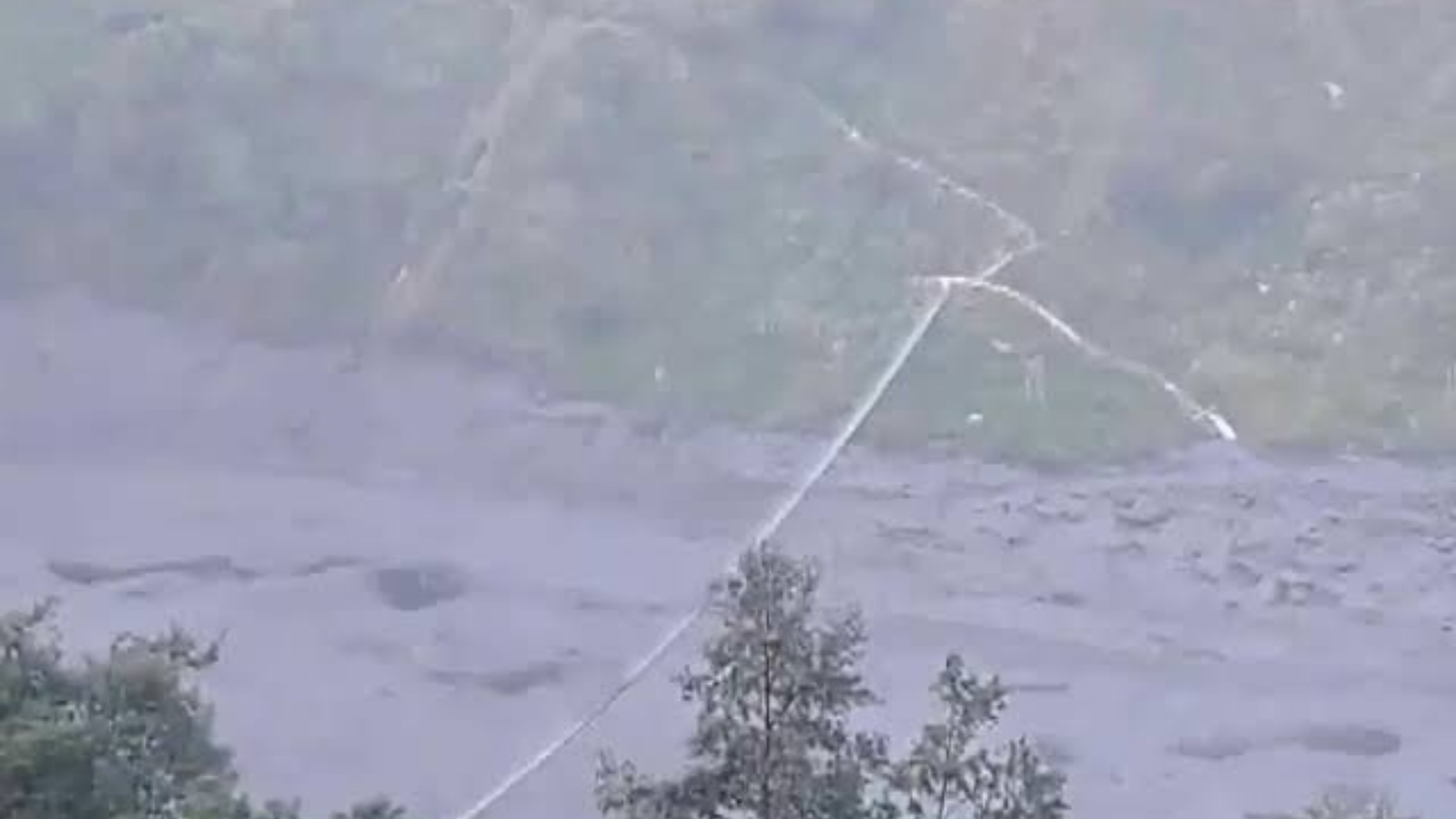
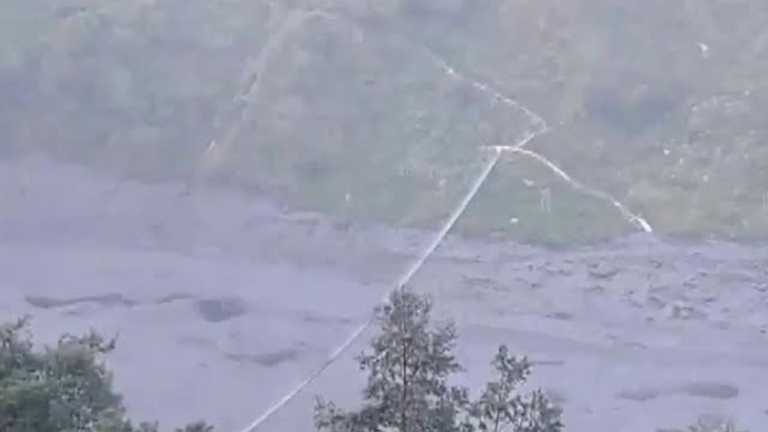
Nepalese authorities have urged residents living along riverbanks in several central districts to move to safer locations after a major flood swept away homes, bridges, and infrastructure following a landslide that blocked the Budhi Gandaki River.
According to officials, a dry landslide in Chumnubri village in Gorkha district, about 100 kilometres west of Kathmandu, obstructed the river’s flow, causing water to surge downstream and trigger flooding.
Authorities said the flood damaged several houses, destroyed two suspension bridges, and affected a hydroelectric project. Despite the significant destruction, there were no immediate reports of fatalities or injuries.
Dharmendra Kumar Mishra, the senior administrative official of Gorkha district, said residents downstream had been instructed to evacuate as a precaution.
“We have asked villagers living along the river banks downstream to evacuate and remain safe,” he said
The Budhi Gandaki River is a tributary of the Trishuli River, an important waterway in central Nepal. The latest flooding comes just weeks after another devastating disaster linked to a glacier collapse in a neighboring river system, which resulted in widespread devastation and significant loss of life.
National disaster management authorities issued alerts to residents in multiple districts, including Gorkha, Tanahun, Chitwan, East Nawalparasi, and West Nawalparasi, warning of rising water levels and the risk of further flooding.
Emergency officials are closely monitoring the situation, particularly the stability of the landslide blockage and the possibility of additional water surges if the natural dam gives way.
The incident has once again highlighted Nepal’s vulnerability to natural disasters, including landslides, floods, and glacial-related events, particularly during periods of heavy rainfall and environmental change.
Disaster response teams remain on standby as authorities continue assessments of the affected areas and coordinate evacuation and safety measures for communities at risk.





+ There are no comments
Add yours