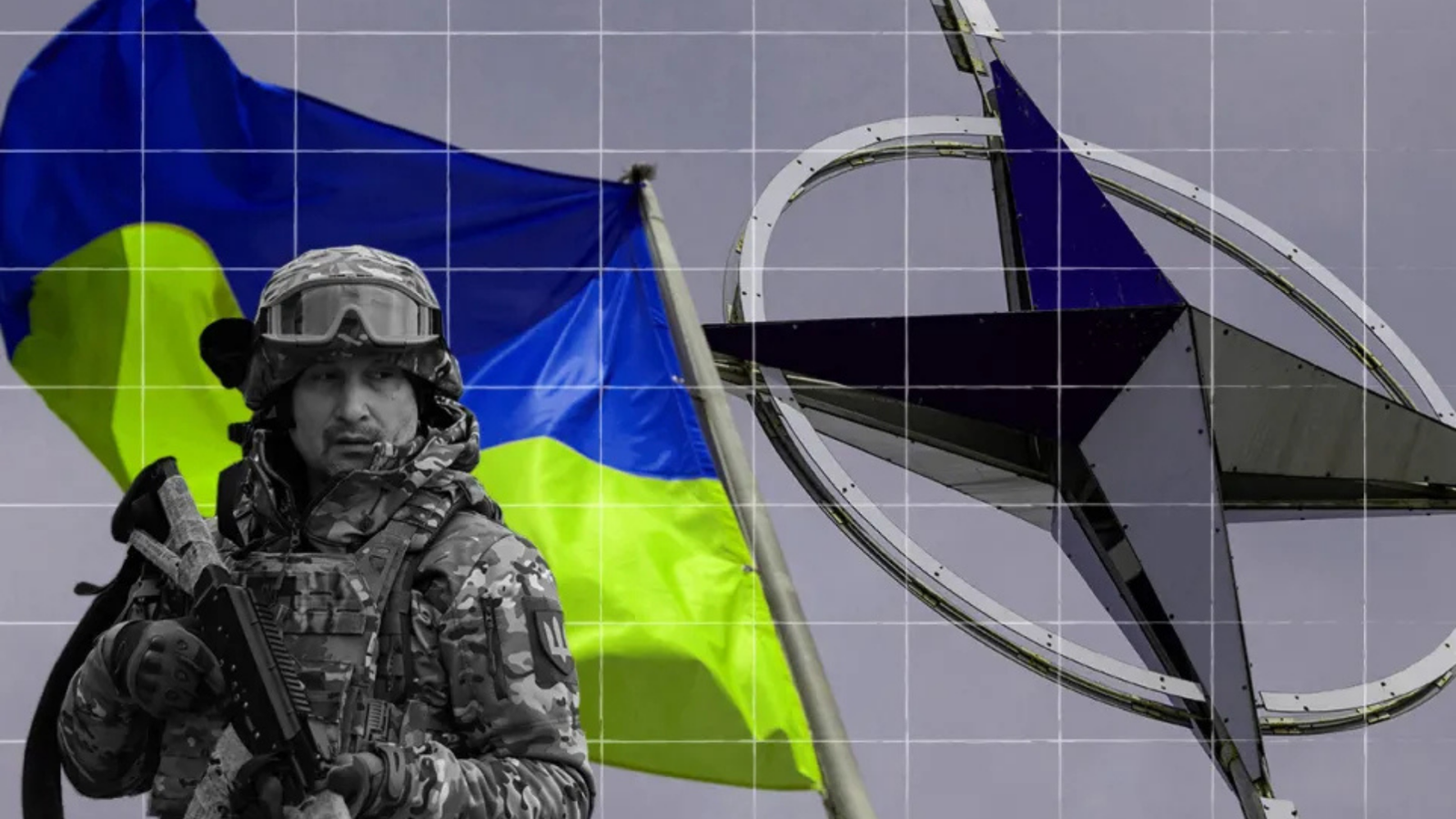
NATO’s top military commander is expected to deliver a strong warning to Russia on Monday, highlighting the alliance’s ability to deter and defeat any potential attack as concerns grow over security threats from Moscow.
According to NATO officials, US General Alexus Grynkewich, the alliance’s Supreme Allied Commander Europe (SACEUR), is set to outline his so-called “theory of victory” during a security conference in Warsaw.
The speech comes at a time when NATO members are increasingly concerned about what Western officials describe as a growing campaign of Russian “hybrid warfare,” including alleged acts of sabotage, cyber activities, interference operations, and other actions targeting countries supporting Ukraine.
Alliance officials say the address is intended to demonstrate NATO’s readiness while reassuring member states, particularly those on the alliance’s eastern flank, that collective defence remains strong.
A spokesperson for the US general, Colonel Martin O’Donnell, said the strategy is rooted in NATO’s existing deterrence and defence plans.
“The Supreme Allied Commander Europe’s theory of victory is simple: maintain NATO’s advantage, which is consistent with and grounded upon the alliance’s deterrence and defense plans.”
He added that the current global security environment requires proactive preparation.
“But given the unsettled and complex global security environment, we need to set conditions now to deter aggression and, if necessary, win if attacked.”
While NATO closely guards specific operational and defence plans, officials say Grynkewich’s remarks are expected to focus more on strategic messaging than on revealing new military details.
The alliance was established after World War II as a collective security arrangement designed to deter aggression against member nations. Since Russia’s invasion of Ukraine, NATO has increased military readiness, strengthened deployments along its eastern borders, and expanded cooperation among member states.
Recent concerns have intensified following several high-profile security incidents across Europe. Western officials argue that Russia has become increasingly aggressive in its use of non-conventional tactics while the war in Ukraine continues.
NATO maintains that it remains a defensive alliance and has no intention of launching attacks against Russia. However, alliance leaders say they must be prepared to respond effectively to both conventional military threats and activities occurring below the threshold of open conflict.
The challenge for NATO has been determining how to counter so-called “grey zone” operations, which include cyberattacks, sabotage, disinformation campaigns, and other activities that fall short of direct military confrontation.
NATO Secretary General Mark Rutte has previously urged member countries to remain united and continue supporting Ukraine despite mounting pressure.
“Keep calm, carry on and support Ukraine,” Rutte said.
The Warsaw address is expected to reinforce NATO’s message that any aggression against alliance members would face a coordinated and decisive response, while also signalling continued support for Ukraine as the conflict with Russia continues.






+ There are no comments
Add yours