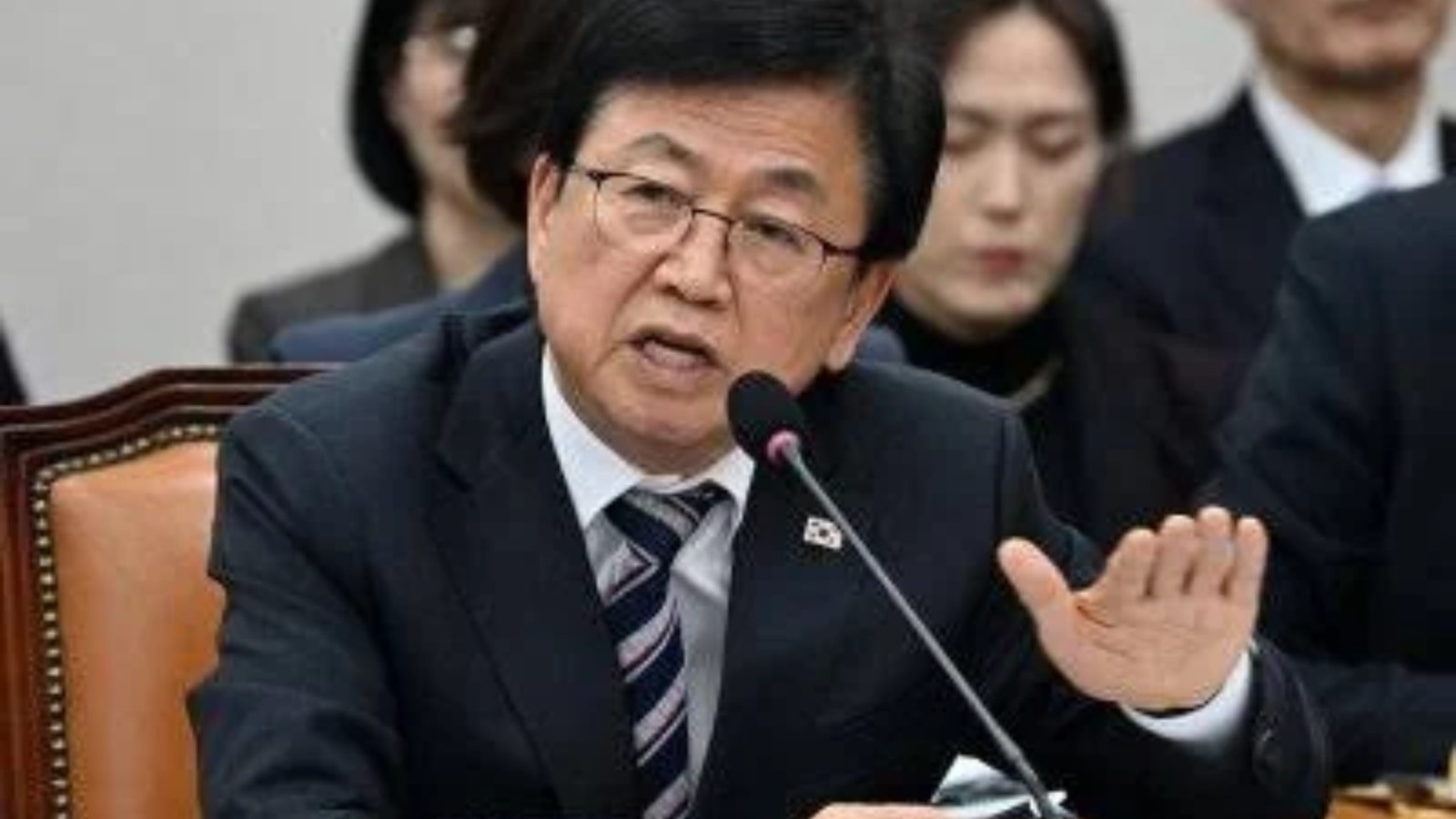
South Korea’s Education Minister Choi Kyo-jin has resigned following a nationwide controversy over efforts to prevent AI-assisted cheating during the country’s highly competitive college entrance examination, known as the Suneung.
The resignation comes after criticism of last-minute anti-cheating measures introduced ahead of Thursday’s exam, which disrupted preparations and triggered confusion among students, parents and education officials across the country.
According to South Korea’s Yonhap News Agency, Choi accepted responsibility for the situation, acknowledging shortcomings in the government’s response to emerging challenges posed by artificial intelligence and exam security.
“As the minister in charge, I believe I cannot escape criticism that we failed to prepare in advance,” Choi said.
“Now that the exam has concluded, I feel a deep sense of responsibility and am offering my resignation,” he added.
South Korean President Lee Jae Myung, who has been advocating for broader reforms to the country’s examination system, later accepted the minister’s resignation.
The controversy erupted after a high-profile cheating case emerged in the national tax accountancy examination. The top scorer admitted to using a hidden mini-camera, a mobile phone and artificial intelligence tools to gain an unfair advantage during the test, sparking widespread concern about the growing role of AI in academic misconduct.
In response, education authorities rushed to strengthen anti-cheating measures before the Suneung examination. Emergency alerts were reportedly sent to mobile phones nationwide, while additional efforts were made to detect concealed electronic devices that candidates could potentially use during the exam.
The Suneung is widely regarded as one of the most important examinations in South Korea, often shaping university admissions, career opportunities and future life prospects for millions of students. The lengthy examination can last up to nine hours and is viewed as a defining milestone in the country’s highly competitive education system.
The incident has reignited debate about how governments and educational institutions should respond to rapidly advancing artificial intelligence technologies, particularly as AI-powered tools become increasingly sophisticated and accessible.
Many education experts argue that traditional examination systems may need significant modernization to address new technological realities while maintaining academic integrity and fairness.
The resignation of the education minister marks one of the most significant political consequences linked to AI-related cheating concerns and is expected to intensify calls for comprehensive reforms to South Korea’s examination and assessment framework.







+ There are no comments
Add yours