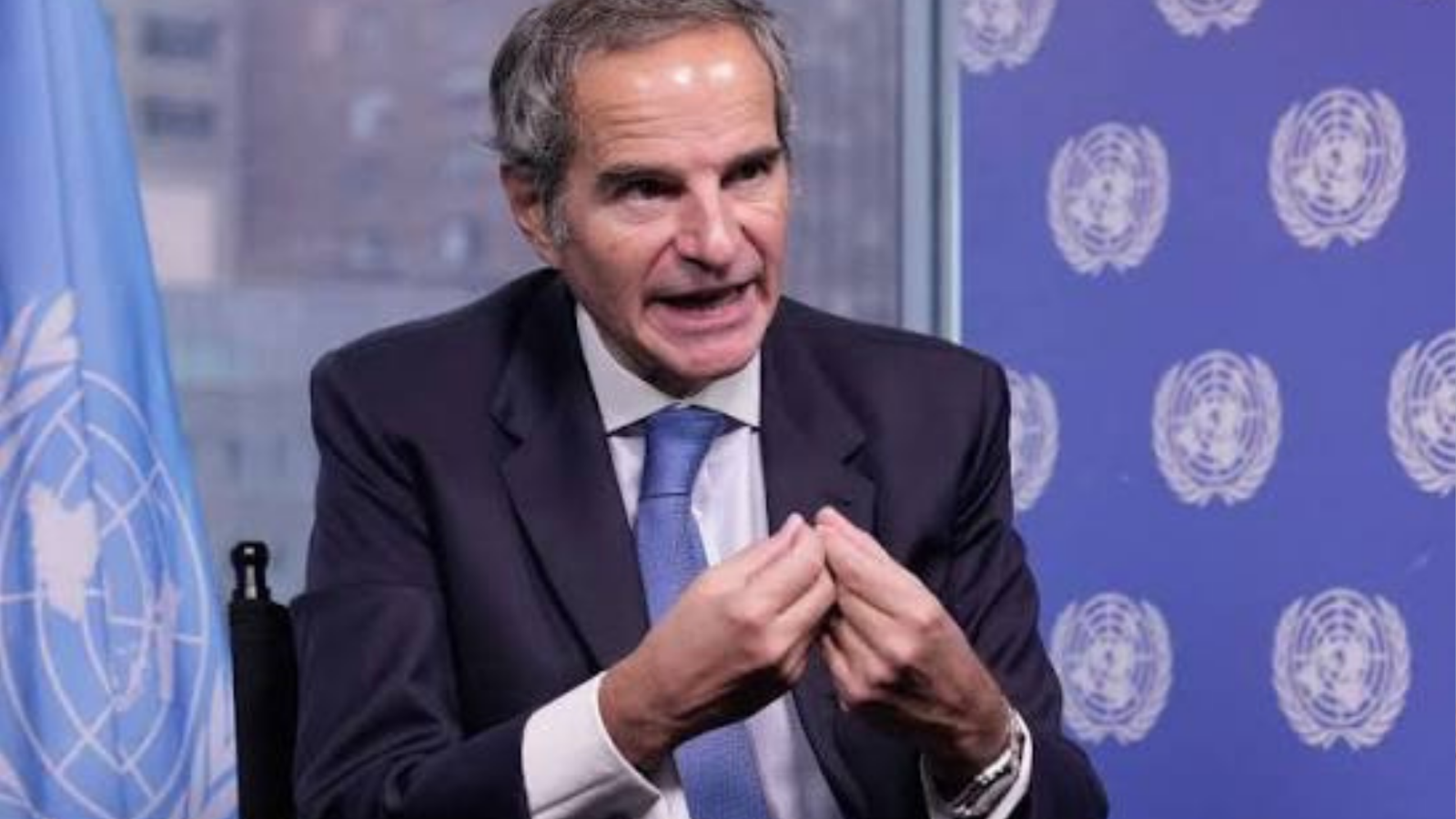
Rafael Grossi, the seasoned Argentine diplomat who has spent six years at the helm of the International Atomic Energy Agency, is increasingly in the spotlight as the United Nations moves closer to choosing its next secretary‑general. At 65, Grossi has become one of the most recognisable figures in global nuclear diplomacy, raising both his own profile and that of the IAEA through relentless shuttle missions during some of the world’s most volatile crises.
Grossi has long overseen the agency’s monitoring of Iran’s nuclear program, and he played a central role in efforts to salvage parts of the 2015 nuclear deal after the United States withdrew in 2018. His critics argue he pushed too far in trying to strike compromises with Tehran, but his supporters say his pragmatism kept vital channels open when diplomacy was under strain.
A father of eight and fluent in multiple languages, Grossi’s most tangible achievement came in Ukraine, where he secured the deployment of a small IAEA team inside the Russian‑occupied Zaporizhzhia nuclear power plant a rare breakthrough in a war zone.
The race to succeed António Guterres is intensifying. A second informal poll held on Friday showed Guyana’s Carolyn Rodrigues Birkett narrowly ahead, according to sources close to the process. The successful candidate will begin a five‑year term on 1 January 2027.
Another prominent contender is Rebeca Grynspan, the 70‑year‑old head of the UN Conference on Trade and Development. A former vice‑president of Costa Rica, she describes herself as a reform‑minded multilateralist who has spent her career breaking gender barriers. Grynspan has temporarily stepped back from her UNCTAD duties to avoid conflicts of interest during the campaign. If elected, she would become the first woman to lead the United Nations.
Grynspan has spoken openly about the trade‑offs she faced between family life and public service, saying her experience as the first woman to lead UNCTAD shaped her approach to leadership and reform.
With the field still evolving and diplomatic alliances shifting, the contest to become the UN’s 10th secretary‑general is shaping into one of the most consequential leadership races in years.




+ There are no comments
Add yours