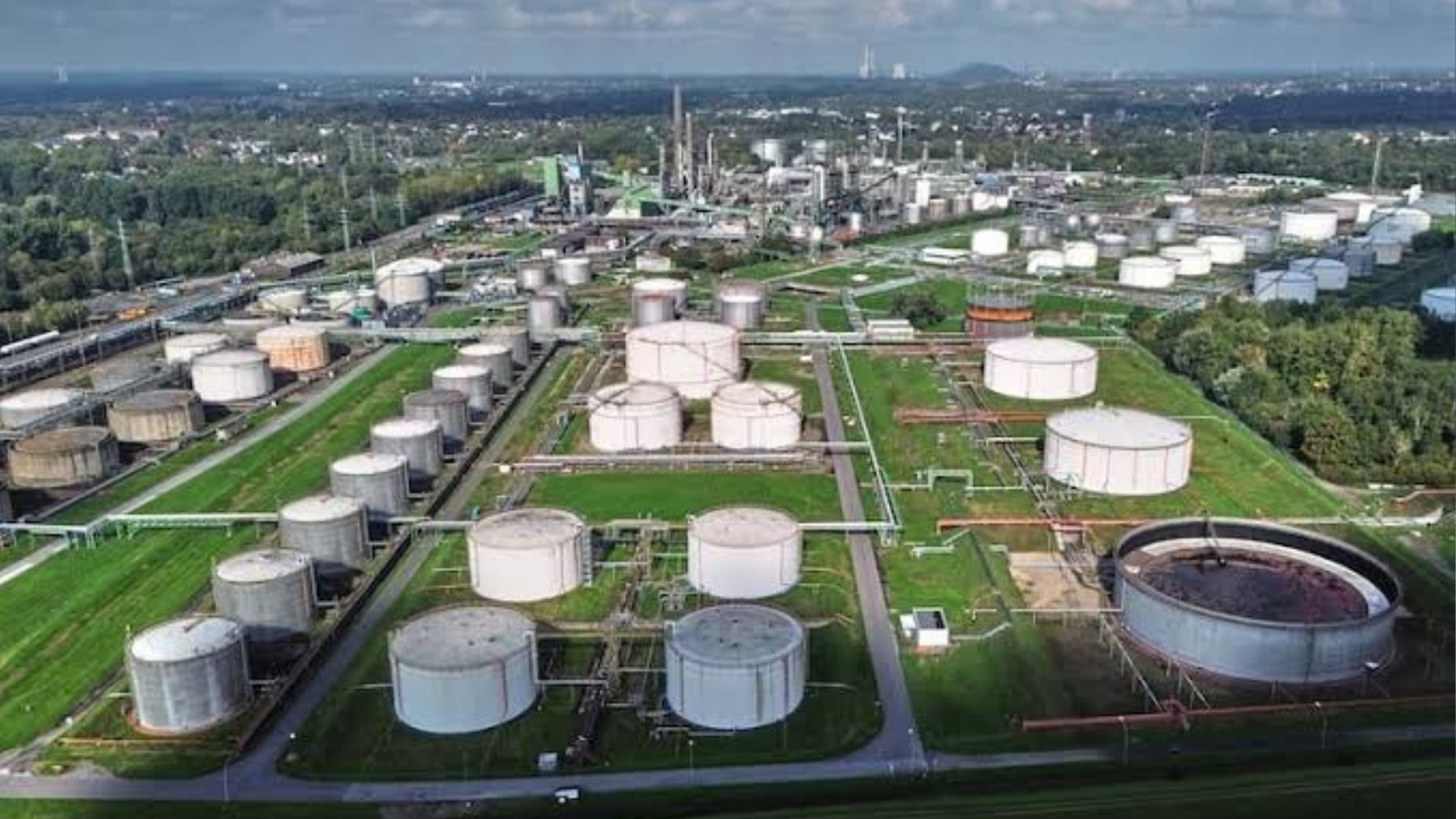
The Group of Seven (G7) nations have agreed to release 100 million barrels of oil and diesel reserves in a coordinated effort to ease supply shortages and bring down fuel prices that have surged in recent months.
The agreement, reached by the world’s leading advanced economies, includes a substantial release of diesel supplies in the coming days as governments seek to stabilize energy markets and reduce pressure on consumers and businesses.
The move follows weeks of uncertainty after US President Donald Trump threatened to impose a ban on American diesel exports. Such a measure was seen as a way to lower prices for US consumers ahead of November’s midterm elections, but analysts warned it could have significantly increased fuel costs in other countries that rely on US diesel shipments.
In a joint statement, G7 members pledged to avoid imposing export restrictions on energy products between member states, signaling their intention to address the crisis through cooperation rather than trade barriers.
The G7 consists of the United States, United Kingdom, Canada, Japan, Germany, France and Italy, while the European Union also participates in its meetings.
Before the agreement was reached, Trump had warned that he could restrict diesel exports unless European countries released more of their own fuel stocks onto the market. On Friday, he claimed victory on social media, writing that Europe had agreed to release a “massive amount” of diesel reserves and that the process would begin immediately.
Diesel is a critical fuel for trucking, freight transport, agriculture and industry. As a result, rising diesel costs often lead to higher prices for food, consumer goods and other essential products, making the issue a major concern for governments worldwide.
Following the G7 leaders’ meeting, French President Emmanuel Macron announced that participating countries had agreed to release up to 100 million barrels of reserves over the next four months under the coordination of the International Energy Agency (IEA).
Macron said the coordinated action was intended to reduce the cost of petroleum products, particularly diesel, and help restore stability to global energy markets. He also highlighted the commitment by member countries not to pursue export bans, noting that Trump had strongly emphasized that point during discussions.
The United Kingdom was represented at the meeting by Foreign Secretary Ed Miliband, who said the measures would help strengthen supply chains, stabilize fuel supplies and protect households and businesses from further price shocks.
Later, speaking at the White House, Trump appeared to soften his earlier position, saying a diesel export ban had “never really been on the table,” suggesting that the agreement among allies had helped resolve concerns over fuel availability.
Under the plan, fuel reserves will begin entering the market immediately, with a significant portion of diesel supplies expected to be released during the first few weeks. Policymakers hope the coordinated intervention will ease shortages, lower prices and reduce the risk of further disruption to the global economy.
The agreement represents one of the most significant coordinated energy market interventions in recent years and underscores growing international efforts to prevent fuel shortages from undermining economic growth and increasing living costs worldwide.





+ There are no comments
Add yours