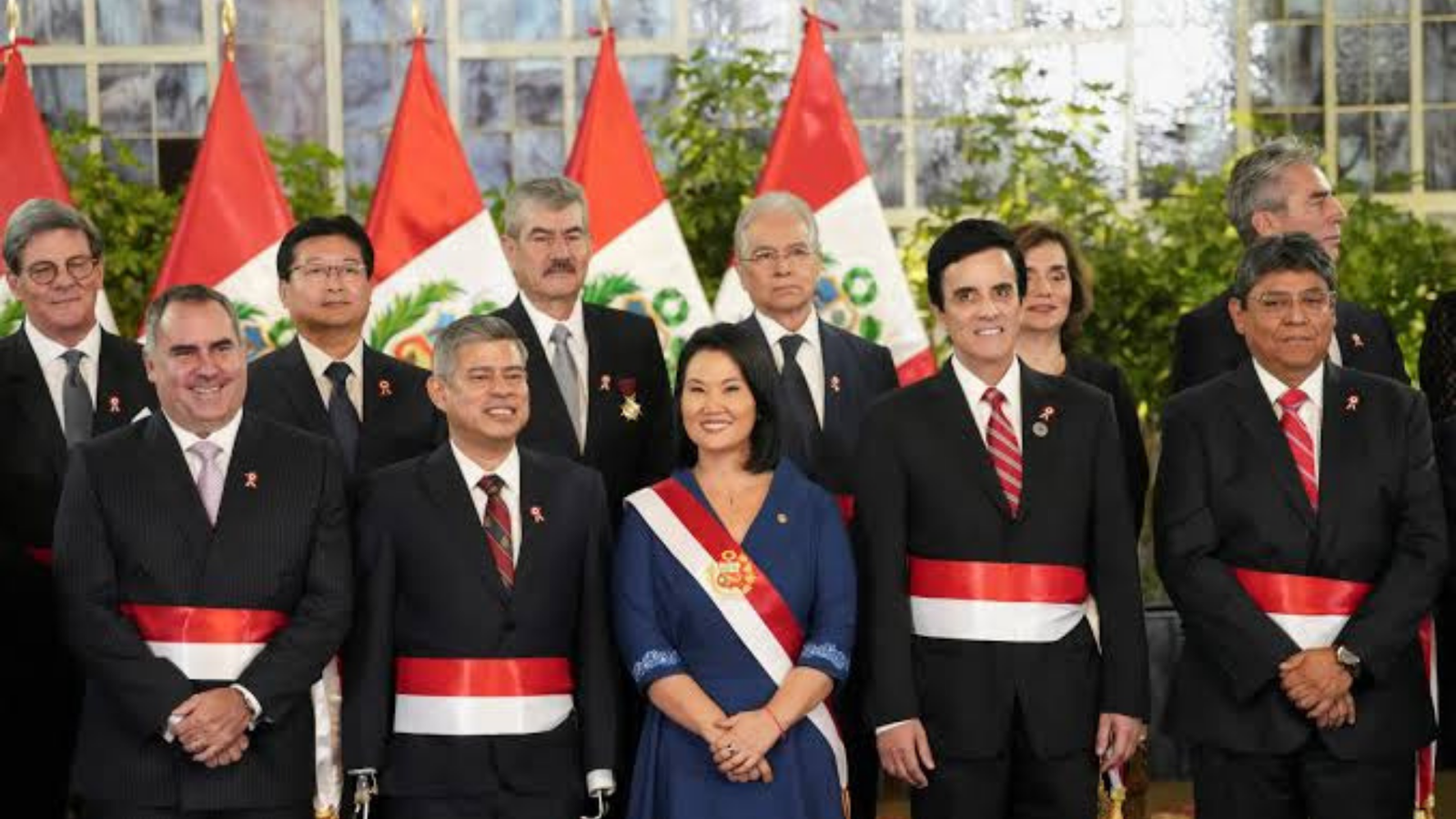
Keiko Fujimori was sworn in as Peru’s president on Tuesday, a historic moment that places the country’s first elected female leader at the helm during one of its most turbulent political periods. Her rise adds Peru to a growing list of Latin American nations turning to conservative leadership as voters grapple with crime, stagnant economies and deep institutional distrust.
The 51‑year‑old daughter of former President Alberto Fujimori now leads a nation where no president has completed a full five‑year term since 2016. Her victory in June’s runoff election marks the dramatic return of one of Peru’s most polarizing political dynasties, capping a comeback after multiple failed presidential bids.
In her first address, Fujimori struck a tone of firmness and empathy, urging Peruvians to move past the bitter election battle and allegations of fraud that defined the campaign. “I assume office with the firmness needed to govern, but also with the sensitivity required to listen to and heal the wounds of our people,” she said, calling for national reconciliation. She added that Peru must confront its challenges “without anesthesia, without makeup, and without half‑truths.”
Her inauguration drew regional conservative figures including Argentina’s Javier Milei, Chile’s Antonio Kast and Bolivia’s Rodrigo Paz, underscoring the political shift sweeping across Latin America.
Fujimori has moved quickly to assemble her government. On Monday, she appointed former central bank board member Elmer Cuba as economy minister and Carlos Espa a former presidential candidate and ex‑US embassy official as foreign minister. By Tuesday, she had finalized her cabinet, naming former Deputy Minister Guillermo Shinno to lead the Ministry of Energy and Mines. The ministry oversees Peru’s globally significant copper sector the country is the world’s third‑largest producer.
Inheriting what she described as a Peru “battered” by insecurity, weak governance and public distrust, Fujimori pledged to cut unnecessary state spending, improve the business climate and raise the minimum wage. Her administration begins under intense scrutiny, but also with the hopes of millions who want stability after a decade of political upheaval.






+ There are no comments
Add yours