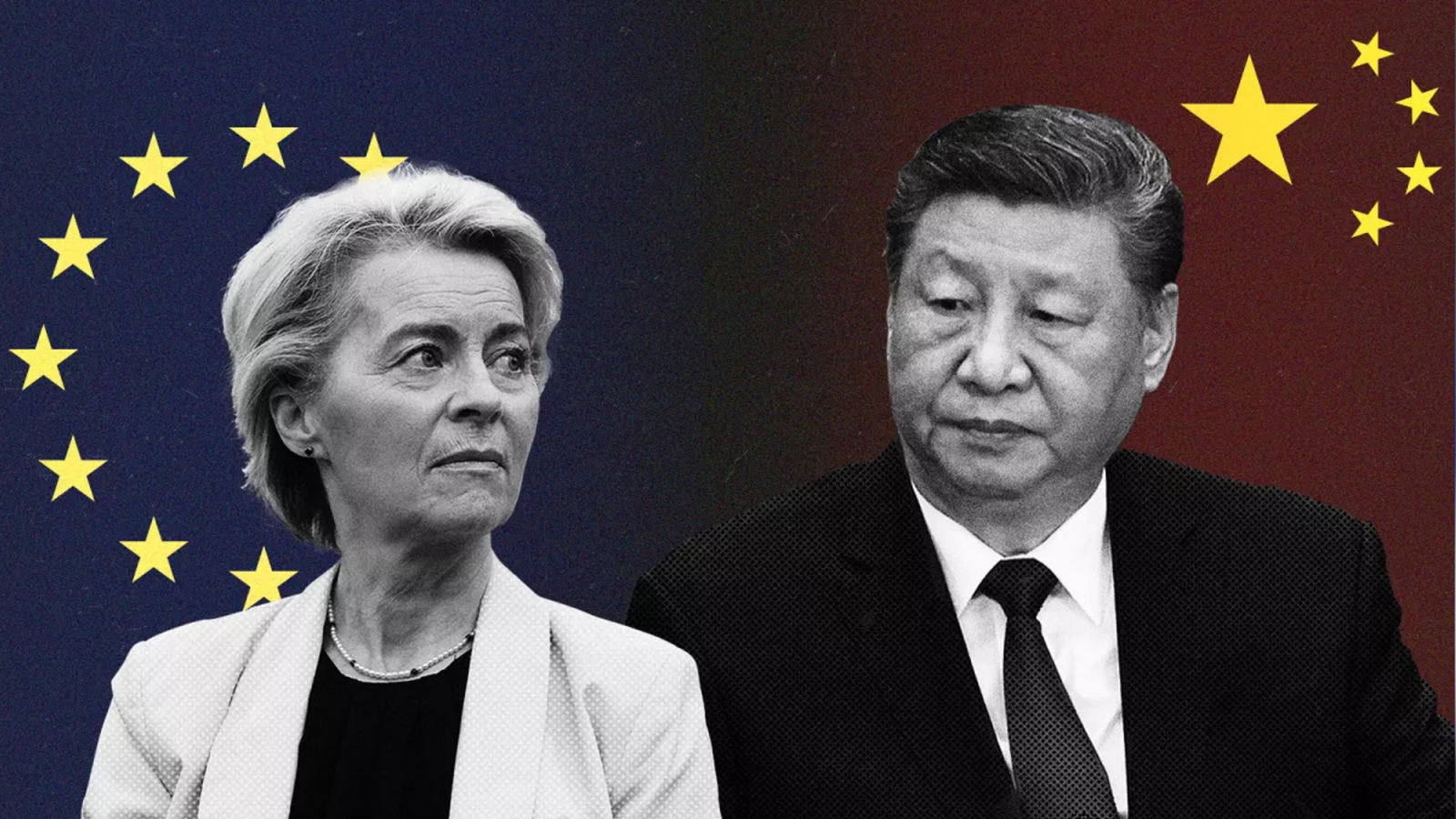
Spanish Prime Minister Pedro Sanchez is increasingly positioning Spain as one of Europe’s strongest advocates for deeper engagement with China, a stance that has drawn criticism from several European Union partners concerned about Beijing’s growing influence within the bloc.
Sanchez has met Chinese President Xi Jinping four times in the past four years and has repeatedly encouraged the EU to strengthen ties with China, particularly since Donald Trump’s return to the White House two years ago. His efforts reflect a broader strategy aimed at expanding trade and economic cooperation with the world’s second-largest economy.
However, Spain’s approach has sparked unease among some European governments, which view China as both a strategic competitor and a potential geopolitical challenge. Critics privately question whether Madrid’s willingness to welcome Chinese investment and businesses could inadvertently strengthen Beijing’s economic foothold within the EU, raising concerns about long-term security and political influence.
Spain is not alone in pursuing a more independent foreign policy. As global instability grows, several EU member states are reassessing their international partnerships amid uncertainty over the United States’ commitment to European interests under President Trump. Many European leaders see Washington’s positions on trade and defence as increasingly unpredictable, prompting governments to seek strategic relationships that better serve their national priorities.
This shifting landscape is exposing divisions within the European Union, as member states balance collective interests with domestic economic and security concerns. While some countries advocate a cautious approach toward China, others see closer cooperation as a practical response to changing global power dynamics and an increasingly uncertain international order.





+ There are no comments
Add yours