The United Nations’ World Meteorological Organization (WMO) has warned that the current El Niño event is expected to intensify further before reaching its peak in December, with forecasts suggesting it could become one of the strongest episodes observed since at least 1950.
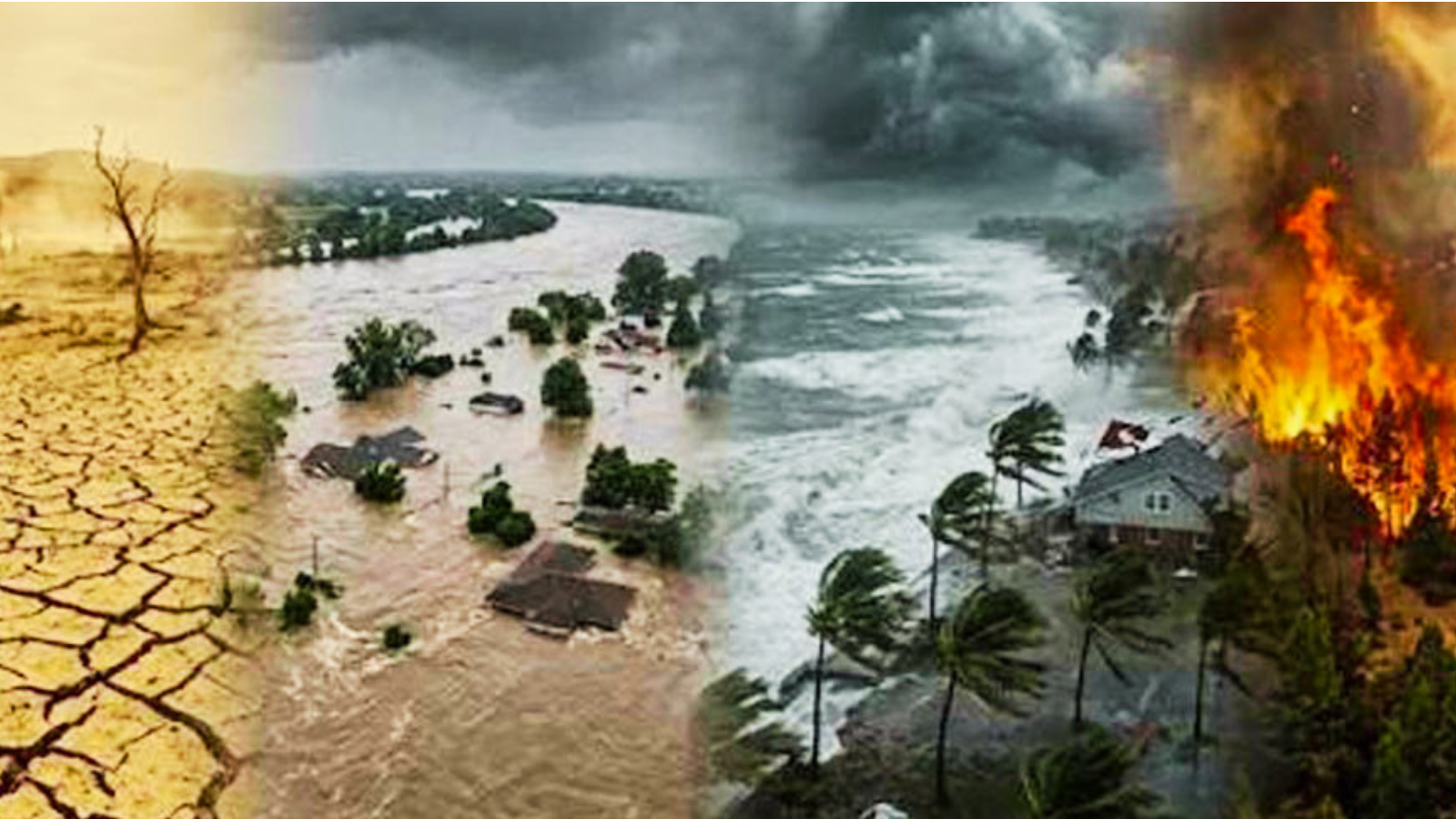
In its latest Global Seasonal Climate Update, the WMO said the naturally occurring climate phenomenon is likely to drive above-average temperatures across much of the world while altering rainfall patterns, increasing the risk of both droughts and floods in different regions.
“El Niño will continue to intensify ahead of its forecast peak in December,” the WMO said.
The agency warned that the event is expected to amplify the effects of human-induced climate change, contributing to more extreme weather conditions and placing additional pressure on communities, ecosystems, and economies worldwide.
Previous El Niño episodes have contributed significantly to record global heat. The last major event helped make 2023 the second-hottest year ever recorded, while 2024 became the hottest year on record globally.
The current event is already producing severe impacts in some regions. Parts of Central America have experienced prolonged drought conditions, resulting in crop failures, livestock losses, and growing concerns about food security.
Climate experts warn that as the phenomenon strengthens, additional regions could face heightened risks of extreme weather, including heatwaves, droughts, heavy rainfall, and flooding.
Governments and disaster management agencies around the world are being urged to prepare for potential disruptions as the effects of one of the most powerful El Niño events in modern history continue to unfold.







+ There are no comments
Add yours