
Australia’s growing and ageing population is emerging as one of the country’s biggest long-term economic challenges, with migration increasingly viewed as a key factor in maintaining workforce growth and supporting future living standards.
Experts use a measure known as the Old Age Dependency Ratio to assess the impact of population ageing on the economy. The ratio compares the number of people aged 65 and over with those of working age, providing an indication of how many workers are available to support retirees through taxation, healthcare, aged care, and other public services.
Currently, Australia’s Old Age Dependency Ratio sits at about 29 per cent, meaning there are 29 Australians aged over 65 for every 100 people of working age. Projections suggest that by 2066, the figure will rise to approximately 39 per cent, reflecting a significant increase in the proportion of older Australians within the population.
According to the Intergenerational Report, a smaller share of working-age Australians will be required to support a growing number of retirees who are living longer than previous generations. The report warns that without new sources of revenue or stronger economic growth, increasing age-related spending could place greater pressure on government finances and contribute to higher levels of public debt over time.
At the same time, Australia’s demographic outlook remains more favourable than many other developed nations. While fertility rates continue to decline, the country is not expected to face a situation where annual deaths exceed births for several decades, unlike countries such as Japan and South Korea, which are already experiencing more advanced population ageing.
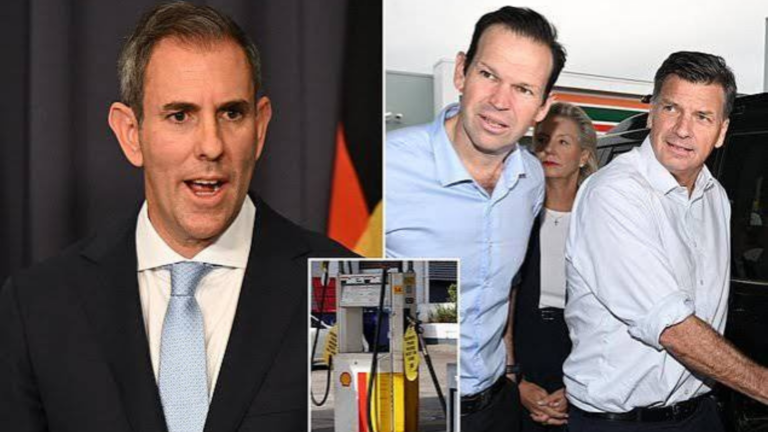
Treasurer Jim Chalmers said falling birth rates represent one of the most significant demographic shifts facing Australia. However, he noted that migration, higher workforce participation among women, and more Australians remaining in employment later in life are expected to help offset some of the pressures associated with an ageing population.
The report also highlights potential challenges beyond public finances. An older workforce could contribute to slower productivity growth, making it more difficult to achieve strong wage increases and improvements in living standards.
Economists argue that boosting skills, innovation, and workforce participation will be critical to maintaining economic growth in the coming decades.
Migration remains at the centre of this debate. Supporters argue that continued migration helps replenish the workforce, addresses skills shortages, and strengthens economic resilience. Critics, however, contend that migration levels should be reduced due to concerns about housing, infrastructure, and population growth.
As political parties continue to debate migration policies, demographers and economists say Australia’s long-term prosperity will depend on finding the right balance between workforce growth, productivity improvements, and sustainable population planning.








+ There are no comments
Add yours