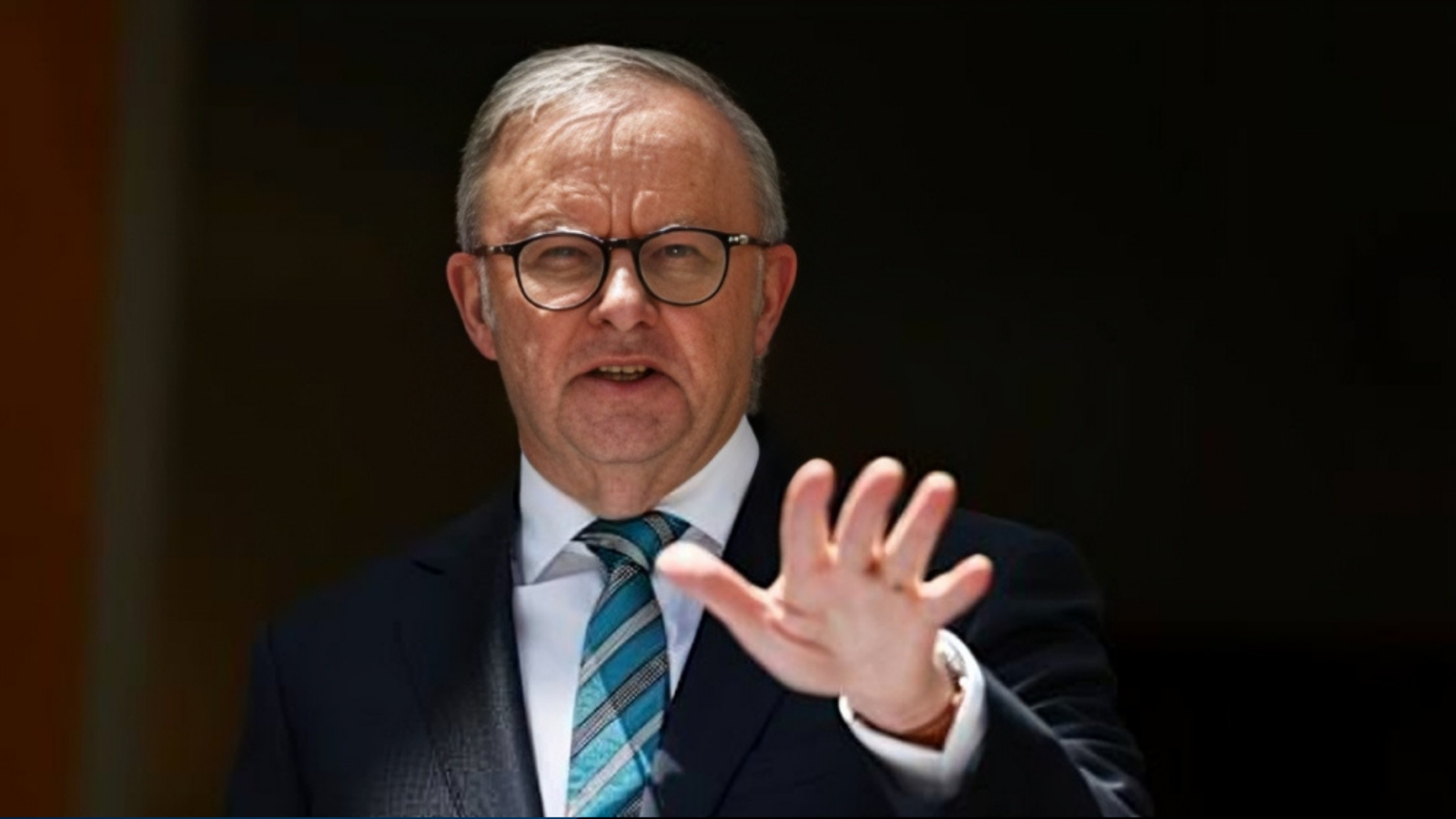
The Albanese government has released its long‑awaited response to the national report on Islamophobia, opting against major changes to Australia’s counter‑terrorism laws and instead committing to a broad package of initiatives aimed at education, community support and social cohesion.
Ten months after special envoy Aftab Malik delivered his report containing 54 recommendations, the government outlined new measures designed to strengthen racial and religious tolerance, expand multicultural grant programs and increase mental‑health support particularly for Muslim women who have reported heightened levels of discrimination and distress.
A key component of the response is a review of the national education curriculum, intended to embed stronger lessons on cultural respect and religious understanding. Police will also receive expanded community liaison teams to improve engagement with Muslim communities and build trust.
Speaking in Sydney, Prime Minister Anthony Albanese defended the decision not to adopt all of Malik’s recommendations, stressing that the envoy’s work was independent advice rather than a binding blueprint. “What we don’t do is contract out government,” he said. “Some of the recommendations we have adopted in full and are acting on already. Others we’ll give further consideration to.”
One of the most contentious proposals reducing the emphasis on religion and ideology in the legal definition of terrorism was rejected. Malik had warned that the current framing risked discrimination, but Albanese said national security agencies advised against altering the laws. “We operate our terror laws on the basis of appropriate advice from national security agencies,” he said.
The government’s response marks a significant moment in Australia’s efforts to address rising Islamophobia, balancing community concerns with national security priorities while signalling a renewed focus on education, inclusion and accountability.








+ There are no comments
Add yours