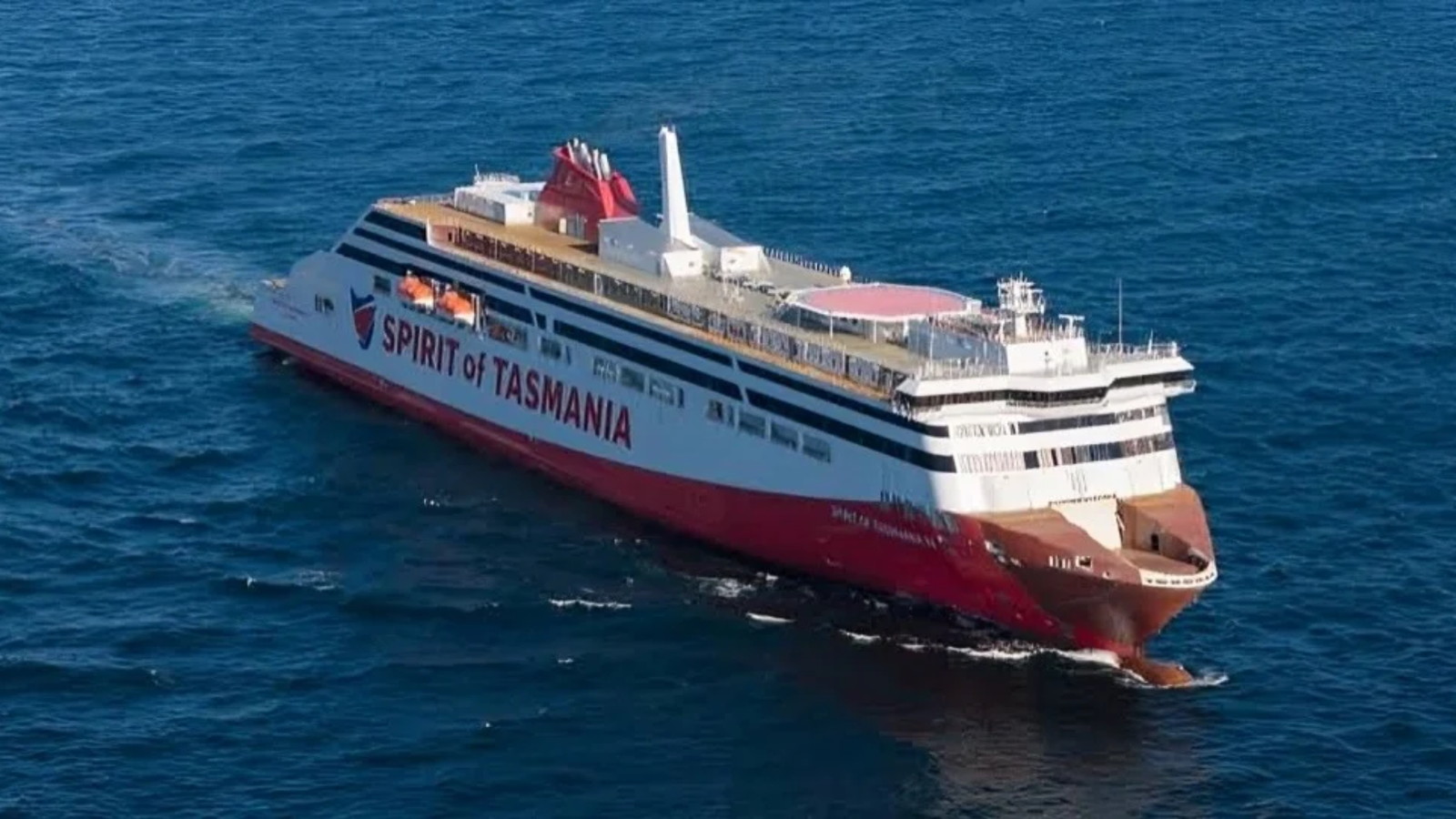
After years of delays, political controversy, and a massive budget blowout, Tasmania’s long-awaited new Spirit of Tasmania ferries are finally preparing to enter service, marking a significant milestone for the island state’s tourism and transport sectors.
The two larger ferries are scheduled to begin their first crossings of Bass Strait on Saturday, ending a saga that has attracted national attention due to project delays and escalating costs.
For caravan park operator Luke Emmett, the importance of the new vessels cannot be overstated.
“For me these boats are as big as the Opera House, for Tasmania,” he said.
Emmett believes the larger ferries will boost tourism by bringing more visitors and caravans to the island, addressing long-standing concerns about limited passenger and vehicle capacity on the existing vessels.
“In the past we’ve always had trouble with limited space on the old boats,” he said.
“On the whole it’s going to be fantastic, because we’ll have more vans on the island.”
While welcoming the arrival of the ferries, Emmett also noted the project’s lengthy delays.
“As long as when they get here they’re fit for purpose. You look at the Opera House, that was years overdue.”
The project became a major political issue in 2024 when it was revealed the new ferries would be forced to sit idle because the required terminal berth infrastructure in Tasmania would not be completed in time.
Originally estimated to cost $90 million, the berth project eventually ballooned to a final cost of $493 million, contributing to wider concerns over project management and government spending.
The ferry replacement project also experienced an overall budget blowout of approximately $717 million, leading to intense political scrutiny and the resignation of a senior political figure.
Amy Hills, chief executive of the Tourism Industry Council Tasmania, acknowledged the negative publicity that surrounded the project during its most difficult period.
“During that period there was quite a lot of negative press and rightly so,” she said.
Despite the controversy, tourism operators and businesses across Tasmania are hopeful the new ferries will deliver long-term benefits by increasing visitor numbers, improving freight capacity, and supporting economic growth.
The vessels are expected to play a crucial role in strengthening transport links between Tasmania and mainland Australia, particularly for travellers bringing vehicles, caravans, and motorhomes.
For many in the tourism industry, the start of regular sailings represents a fresh chapter after years of uncertainty, with hopes that the new Spirit of Tasmania ships will help drive visitation and investment across the state.










+ There are no comments
Add yours