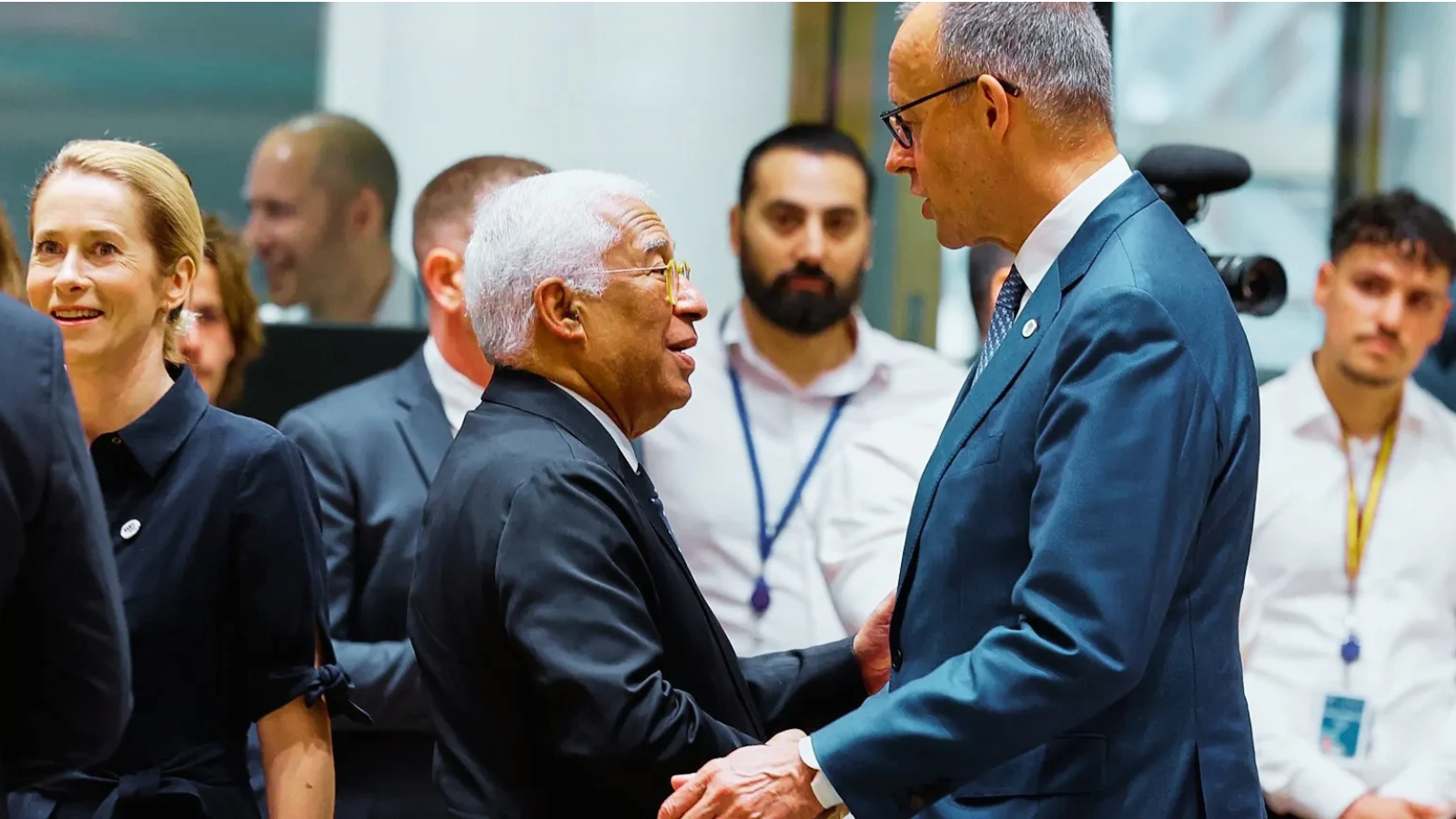
European Union leaders are set for what could become their most difficult budget negotiations yet as they seek agreement on the bloc’s next long-term financial framework before a series of key elections, particularly the upcoming French presidential vote.
The discussions focus on the EU’s proposed 2028-2034 budget, valued at nearly €2 trillion, which will shape funding priorities across major policy areas including agriculture, defence, migration, economic competitiveness, and regional development.
EU officials have been aiming to secure an agreement by the end of the year, concerned that growing political uncertainty and the rise of eurosceptic movements across Europe could complicate future negotiations.
A major concern is the French presidential election, where far-right leader Marine Le Pen has emerged as a leading contender. Le Pen has previously argued for reducing France’s financial contribution to the EU budget as part of wider efforts to cut spending in Europe’s second-largest economy.
Ahead of the summit, Le Pen criticised efforts to finalise the budget before the election.
“It would be a democratic scandal” for EU leaders to approve such a budget before voters have their say, she said.
At the heart of the negotiations are difficult decisions over how EU funds should be allocated during the next seven-year budget cycle.
Among the key issues under discussion are:
- Agricultural support for European farmers
- Defence and security spending
- Economic competitiveness against the United States and China
- Migration management policies
- Proposed migrant return hubs in Africa
- Regional development and cohesion funding
Diplomats have acknowledged that reaching consensus among all 27 member states remains challenging, with different countries seeking greater support for their own priorities.
Signs have emerged that confidence in achieving a deal before Christmas may be weakening. According to reports, the latest draft summit conclusions referred only to a “timely agreement” rather than explicitly targeting the end of the year, suggesting negotiators may be preparing for a longer process.
The budget negotiations come at a critical time for the European Union as it seeks to strengthen economic growth, improve security capabilities, manage migration pressures, and respond to increasing global competition.
EU leaders are expected to continue intensive discussions in the coming weeks as they attempt to bridge differences and secure agreement on one of the bloc’s most important financial and political decisions.
FB Note: European Union leaders are negotiating the bloc’s next long-term budget, with discussions focusing on spending priorities from 2028 to 2034 amid growing political uncertainty and upcoming elections across Europe.






+ There are no comments
Add yours