Speaking on the sidelines of the IMF-World Bank Annual Meetings in Bangkok, Alexander de Croo, head of the UNDP, warned that many developing nations are struggling to cope with repeated economic and climate-related shocks.
Global energy markets have come under renewed pressure following rising geopolitical tensions in the Middle East, with higher fuel prices increasing costs for governments, businesses, and households worldwide.
According to de Croo, many developing countries have responded to rising fuel costs by introducing broad energy subsidies to shield consumers from the impact of higher prices. However, years of successive crises have severely weakened public finances and limited governments’ ability to continue providing large-scale support.
“You have to repair your roof while at the same time your home is on fire,” de Croo told AFP.
He said many countries have been forced to deal with one crisis after another without having enough time to recover from previous shocks.
Since the 2008 global financial crisis, governments around the world have seen public debt and fiscal deficits rise significantly. The situation has been compounded by major global events including the COVID-19 pandemic, the war in Ukraine, conflicts in the Middle East, and climate-related disasters.
The UNDP chief warned that the latest combination of economic and environmental challenges could place additional strain on countries already facing fragile growth, high debt burdens, and limited fiscal resources.
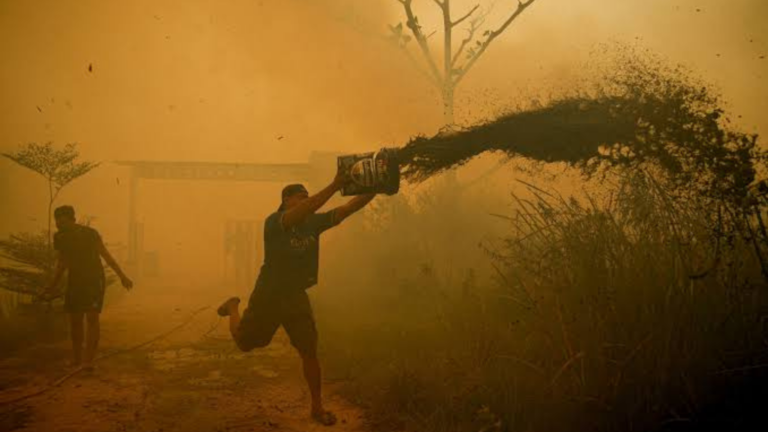
A particularly strong El Niño weather phenomenon is expected to worsen droughts, floods, food insecurity, and agricultural disruptions in many parts of the world. Such impacts can drive up food prices, reduce incomes, and increase humanitarian needs in vulnerable regions.
De Croo stressed that many developing economies are finding it increasingly difficult to rebuild financial buffers before being confronted by another major crisis.
The warning comes as international financial institutions and development agencies continue to call for greater support for low- and middle-income countries facing mounting economic pressures and climate-related risks.
Economists note that rising borrowing costs, elevated energy prices, and climate shocks create a challenging environment for governments seeking to protect livelihoods while maintaining economic stability.
FB Note: The UN Development Programme has warned that rising energy costs, climate-related disruptions, and economic pressures could push millions more people into poverty, particularly in developing countries already struggling with repeated crises.





+ There are no comments
Add yours