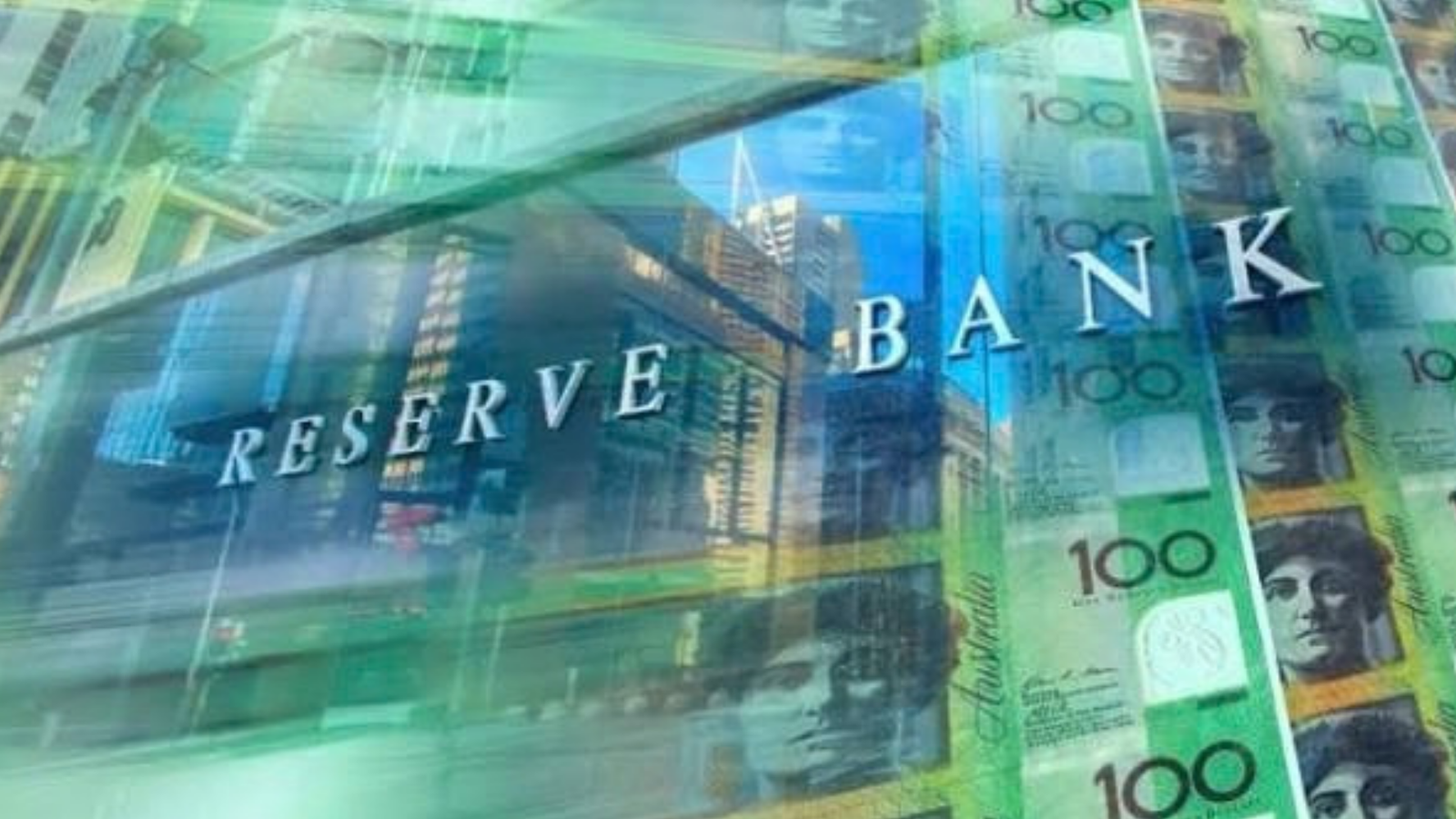
Australia’s inflation challenges cannot be attributed to a single factor, according to Reserve Bank of Australia (RBA) Governor Michele Bullock, who says a combination of domestic and international pressures has contributed to persistent price increases and elevated interest rates.
The debate over the causes of inflation has intensified as Australians continue to grapple with higher borrowing costs following a series of interest rate rises that have pushed rates to their highest levels in more than a decade.
While political opponents and some commentators have blamed government spending and financial management for rising prices, Bullock has argued that inflation is being driven by a range of overlapping factors affecting both the Australian and global economies.
Speaking after the RBA lifted its benchmark interest rate to 4.6 per cent, Bullock said there were multiple pressures simultaneously contributing to inflation.
Economists have also pointed to significant investment in new technologies, supply chain pressures, strong consumer demand, and housing market dynamics as contributors to inflationary pressures.
The current situation differs from the period immediately following the COVID-19 pandemic, when record-low interest rates, government stimulus measures, and supply shortages combined to create a sharp surge in demand across the economy.
Instead, policymakers suggest the current challenge involves inflation remaining elevated even as economic growth slows and household budgets come under increasing pressure.
Many Australians, particularly mortgage holders, have felt the impact of higher interest rates through increased loan repayments. While central banks use interest rate rises to reduce spending and ease inflation, critics argue that households are carrying much of the burden despite many inflation pressures originating from global events outside their control.
Economists have also pointed to significant investment in new technologies, supply chain pressures, strong consumer demand, and housing market dynamics as contributors to inflationary pressures.
The current situation differs from the period immediately following the COVID-19 pandemic, when record-low interest rates, government stimulus measures, and supply shortages combined to create a sharp surge in demand across the economy.
Instead, policymakers suggest the current challenge involves inflation remaining elevated even as economic growth slows and household budgets come under increasing pressure.
Many Australians, particularly mortgage holders, have felt the impact of higher interest rates through increased loan repayments. While central banks use interest rate rises to reduce spending and ease inflation, critics argue that households are carrying much of the burden despite many inflation pressures originating from global events outside their control.









+ There are no comments
Add yours