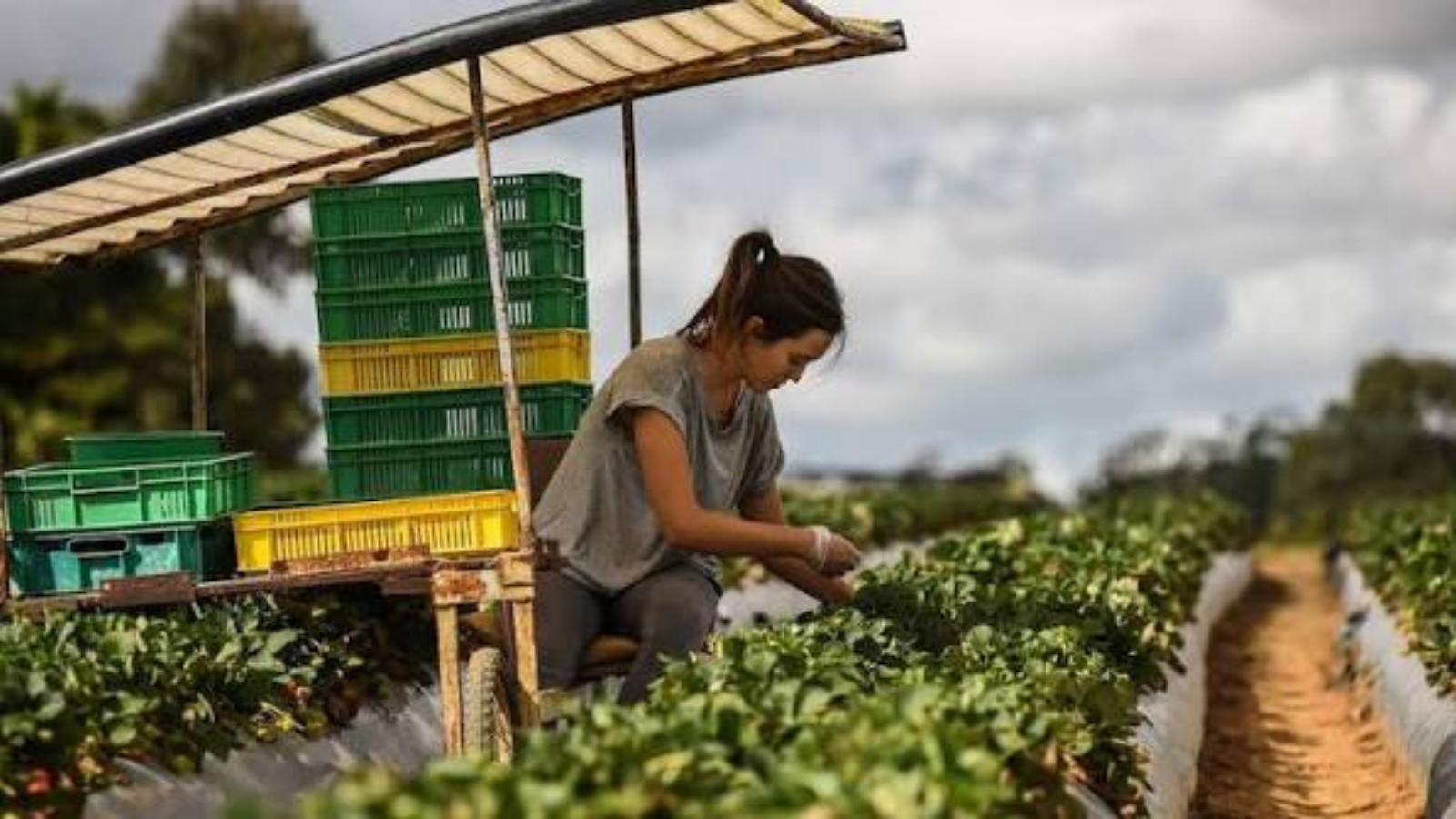
The federal government has announced significant changes to Australia’s Working Holiday Maker program, including a major reduction in the number of people eligible for a third-year visa extension, as part of broader efforts to reduce net overseas migration.
Under the changes, the number of backpackers able to secure a third-year working holiday visa will be capped at 5,000, down from approximately 31,000 this year. The government said priority will be given to applicants with skills that align with workforce shortages in sectors such as construction and agriculture.
Those who receive an extension through the ballot system will also be required to undertake work in regional Australia.
Immigration Minister Tony Burke said the measures form part of the government’s wider migration strategy and argued that all visa categories must contribute if Australia is serious about lowering overall migration levels.
Burke said reducing migration inevitably carries economic impacts across different sectors and regions, but maintained that no area of the economy could be exempt from reforms aimed at managing population growth.
However, the changes have drawn criticism from the National Farmers’ Federation (NFF), which says the proposal could create serious labour shortages during key harvesting periods and place additional pressure on regional communities.
NFF President Hamish McIntyre warned that farmers are concerned about reported changes to visa processing timeframes, which could extend waiting periods to as much as three months. He argued that longer processing times would make it more difficult for producers to secure seasonal workers when they are most needed.
According to the federation, harvesting operations are already underway in parts of Queensland, with peak agricultural seasons approaching in several regions. Industry representatives say delays in worker availability could affect productivity and place additional strain on farming businesses.
NFF Chief Executive Mike Guerin also raised concerns about potential impacts on food supply chains if labour shortages worsen. He warned that difficulties in recruiting workers could affect harvesting volumes, potentially contributing to higher food prices and reduced product availability.
The government’s reforms come amid ongoing national debate over migration levels, workforce needs, housing pressures, and regional labour shortages. While supporters argue the changes are necessary to better manage migration and target skills shortages, agricultural groups continue to call for closer consultation to ensure the sector’s workforce requirements are met.
The policy changes are expected to remain a key topic of discussion among industry groups, regional communities, and migration stakeholders as implementation details are finalised.











+ There are no comments
Add yours