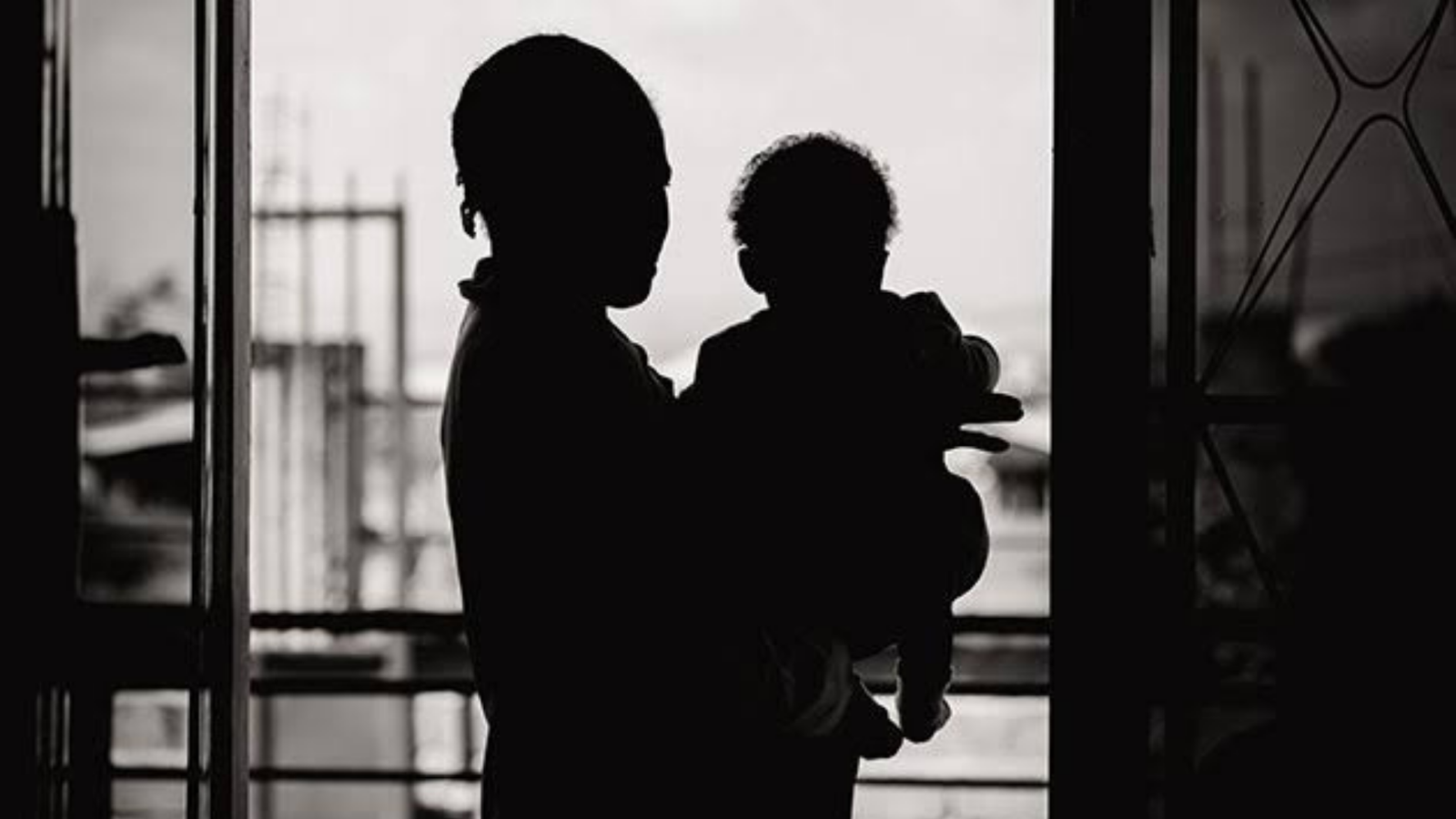
Western Australia’s child protection system is facing renewed scrutiny after the state’s Child Protection Minister, Jessica Stojkovski, travelled to the Pilbara region amid reports that vulnerable Indigenous children were living in unsafe and unsupervised conditions.
The minister arrived in Port Hedland, approximately 1,600 kilometres north of Perth, following media reports alleging that up to 15 children, some as young as five years old, had been living without adequate adult supervision in a home in South Hedland. The reports also raised questions about the response of the Department of Child Protection (DCP) to repeated concerns raised by residents, police, and community agencies
Additional allegations have focused on the department’s handling of child welfare matters in other parts of regional Western Australia, including claims that warnings about at-risk children were not acted upon quickly enough. The reports have reignited debate about child protection services, particularly in remote and regional communities where support resources can be limited.
After arriving in Port Hedland, Stojkovski said in a statement that child protection remained a complex challenge but emphasized that no child should be placed at risk.
“It is unacceptable that children in Western Australia are living this way,” she said, adding that the safety and wellbeing of children must remain a priority.
The controversy has prompted broader discussion about the resourcing, culture, and effectiveness of child protection services across regional and remote Western Australia. Community leaders have voiced concerns about ongoing neglect issues and the need for stronger intervention and support programs
Kariyarra elder Pat Mason said children must have access to safe and stable homes, describing the situation in South Hedland as deeply concerning. She argued that communities, families, and authorities all share responsibility for ensuring vulnerable children are protected.
Mason also stressed the importance of keeping children connected to their families and communities whenever possible, suggesting that greater focus should be placed on addressing the causes of harm rather than removing children from familiar environments.
Nyamal elder Linda Doogiebee-Dridi (Milbugana) called for stronger collaboration between government agencies and local communities. She said more accessible support services were needed so families could seek help before situations reached crisis point.
The minister’s visit comes as authorities face increasing pressure to address concerns surrounding child welfare in the Pilbara and other remote regions. Community leaders continue to call for long-term solutions that combine protection measures with support services designed to strengthen families and improve outcomes for vulnerable children.






+ There are no comments
Add yours