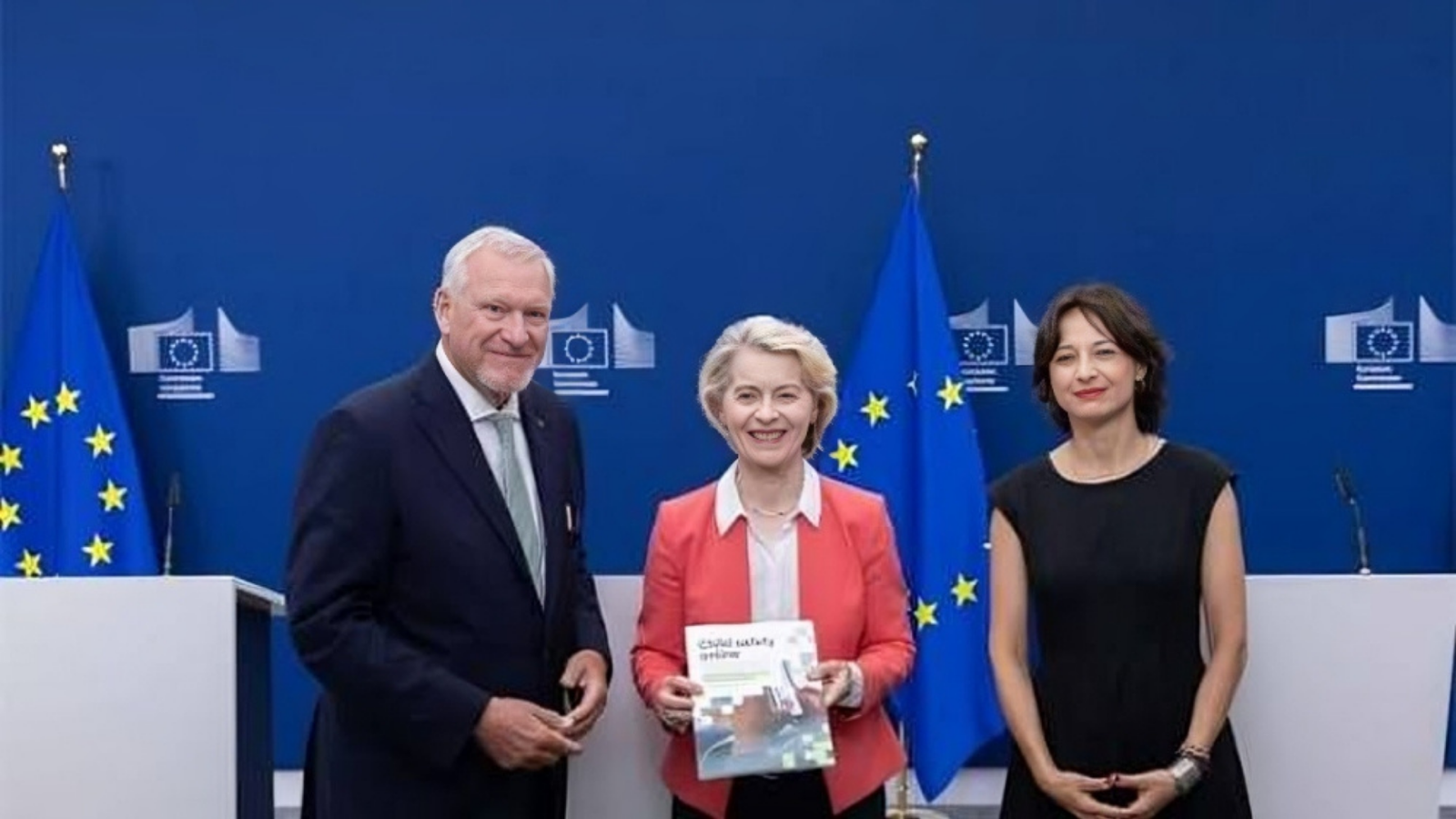
The European Union is preparing to take a major step toward strengthening online protections for children, with plans to introduce a new law aimed at reducing the risks associated with social media use among minors.
The proposed legislation, known as the EU Kids Act, is expected to be formally presented in Brussels on Thursday by European Commission President Ursula von der Leyen and EU technology chief Henna Virkkunen. The move follows more than a year of discussions involving EU member states, policymakers, and campaigners pushing for stronger safeguards for young users online.
Ahead of the proposal’s release, von der Leyen is expected to address the European Parliament in Strasbourg, where she will outline new measures designed to make digital platforms safer for children. Central to the initiative is the concept of platforms being “safe by design,” meaning social media services would be required to reduce addictive features and remove elements that encourage excessive engagement among young users.
The EU is also considering the introduction of a minimum age requirement for access to social media platforms. Policymakers have reportedly debated restricting access for children under 13, a recommendation backed by an expert panel, while some member states, including France, have advocated for a higher minimum age of 15.
The proposed legislation reflects growing concerns across Europe about the impact of social media on children’s mental health, wellbeing, and online safety. Parents, educators, and health experts have increasingly called for stronger regulation as studies continue to examine the effects of excessive screen time and digital platform use among young people.
The EU’s latest move follows similar efforts elsewhere in the world. Australia recently became the first country to introduce a nationwide ban on social media access for children under the age of 16, highlighting a global trend toward tighter regulation of online platforms and greater protection for young users.
If adopted, the EU Kids Act could mark one of the most significant regulatory reforms targeting children’s online experiences, potentially reshaping how social media companies design and operate their services across Europe.











+ There are no comments
Add yours