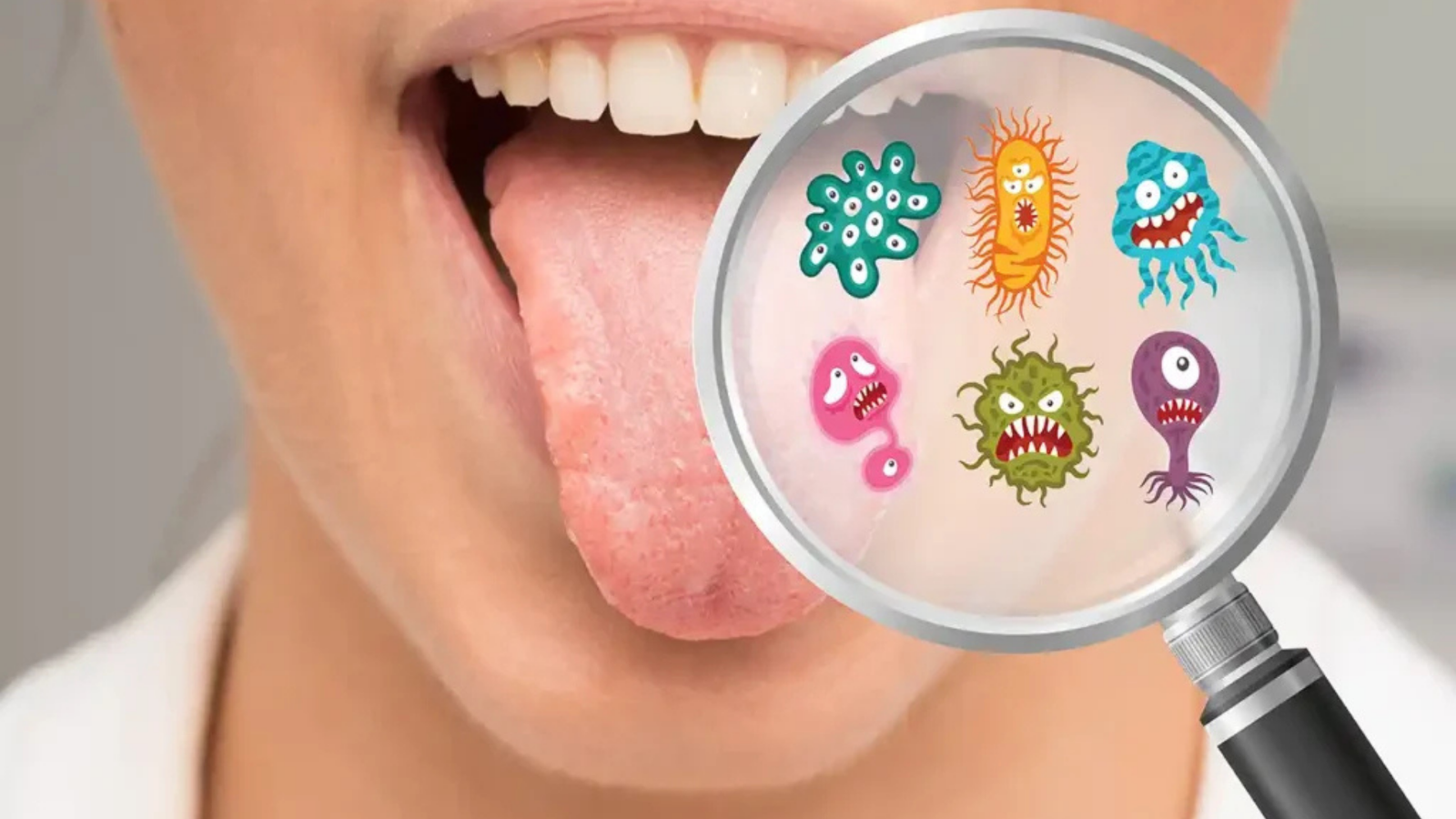
The health of your mouth depends on far more than brushing and flossing. Scientists are increasingly discovering that the oral microbiome, the community of bacteria, fungi, viruses, and other microorganisms living in the mouth, plays a crucial role not only in dental health but also in overall wellbeing.
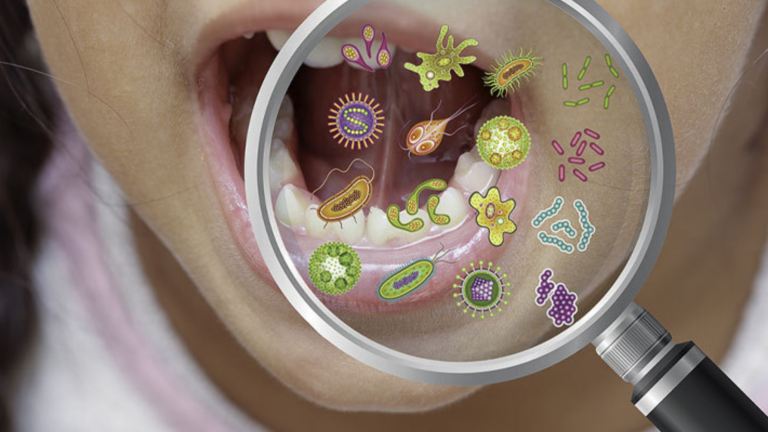
The oral microbiome contains around 700 different bacterial species, many of which help maintain a healthy balance in the mouth. When this balance is disrupted, harmful bacteria can multiply, increasing the risk of tooth decay, gum disease, and a range of other health problems.
One of the most well-known harmful bacteria is Streptococcus mutans, which feeds on sugar and converts it into acid. These acids gradually erode the protective enamel covering teeth, leading to cavities and tooth decay. Because sugary foods and drinks fuel this process, reducing excessive sugar intake remains one of the most effective ways to protect oral health.
However, experts say maintaining a healthy mouth is not just about avoiding harmful foods. Certain beneficial bacteria help prevent disease-causing microbes from taking hold. Species such as Veillonella, Actinomyces, some Streptococcus strains, and Neisseria can contribute to a healthier oral environment by limiting the growth of potentially harmful organisms.
Diet plays a major role in supporting these beneficial microbes. Fruits, vegetables, dairy products such as cheese, and other nutrient-rich foods can help nourish healthy bacteria while promoting saliva production, which naturally protects teeth and gums. Cheese, for example, may help neutralize acids in the mouth, while crunchy fruits and vegetables can stimulate saliva flow and support oral cleanliness.
Scientists are also finding that oral health is closely connected to overall health. Poor oral hygiene can allow harmful bacteria to thrive in pockets that form between the teeth and gums. In these low-oxygen environments, bacteria such as Porphyromonas gingivalis can flourish, contributing to gum disease.
Experts recommend supporting a healthy oral microbiome through a balanced diet, limiting sugar consumption, brushing twice daily with fluoride toothpaste, flossing regularly, staying hydrated, and attending routine dental check-ups. These simple habits can help maintain the balance of beneficial bacteria that protect both oral and overall health.
As research continues to reveal the far-reaching influence of the oral microbiome, one message is becoming increasingly clear: caring for the microorganisms in your mouth may be one of the most important investments you can make for your long-term health.











+ There are no comments
Add yours