
A quarter-century after the September 11 attacks, the events of that day continue to influence global security, intelligence operations, and counter-terrorism strategies around the world. The coordinated attacks on the United States on September 11, 2001, exposed critical failures in intelligence sharing and became a defining moment for governments seeking to protect citizens from evolving security threats.
Nearly 3,000 people lost their lives when four passenger aircraft were hijacked and used as weapons in the deadliest terrorist attack in U.S. history. Victims came from more than 90 countries, highlighting the global impact of the tragedy. Among those killed were two-year-old Christine Lee Hanson, the youngest victim, and 82-year-old Robert Norton, the oldest. New York City also suffered the largest loss of emergency personnel in American history, with 441 first responders killed during rescue efforts.
The attacks transformed intelligence-gathering and counter-terrorism policies across the United States and its allies. In the years that followed, governments invested heavily in security measures, intelligence coordination, surveillance capabilities, and international cooperation aimed at preventing future large-scale terrorist attacks. Numerous plots have since been disrupted, while suspects linked to extremist activities have been arrested, prosecuted, and imprisoned.
One of the most enduring stories from that day revolves around United Flight 93. Unlike the other hijacked aircraft, Flight 93 never reached its intended target. After learning about the attacks in New York and at the Pentagon through calls with family members and friends, passengers and crew members fought back against the hijackers. Their actions ultimately caused the aircraft to crash into a field near Shanksville, Pennsylvania, killing everyone on board but preventing a further attack.
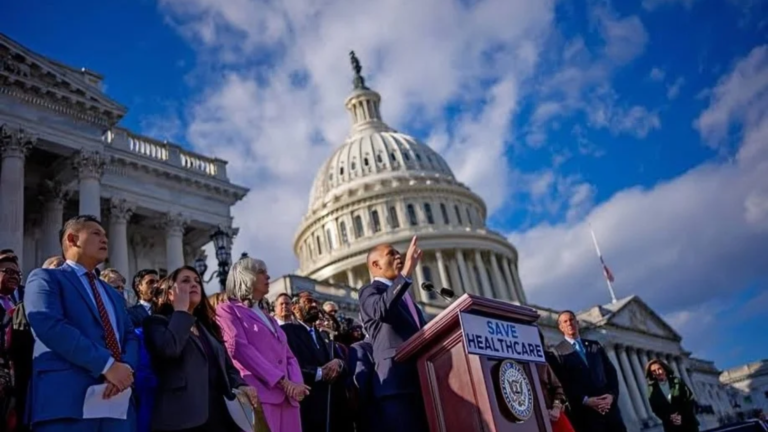
Authorities believe the hijackers intended to target a significant location in Washington, D.C., possibly the U.S. Capitol. The courage displayed by the passengers and crew of Flight 93 has since been widely recognized as a remarkable act of heroism that saved countless lives.
Today, memorials across the United States honor those who died and those who responded during the crisis. In Shanksville, the Flight 93 Memorial’s Wall of Names stands as a lasting tribute to the passengers and crew whose actions prevented an even greater catastrophe. As the world marks 25 years since 9/11, the attacks remain a powerful reminder of both the devastating consequences of terrorism and the resilience shown in the face of tragedy.










+ There are no comments
Add yours