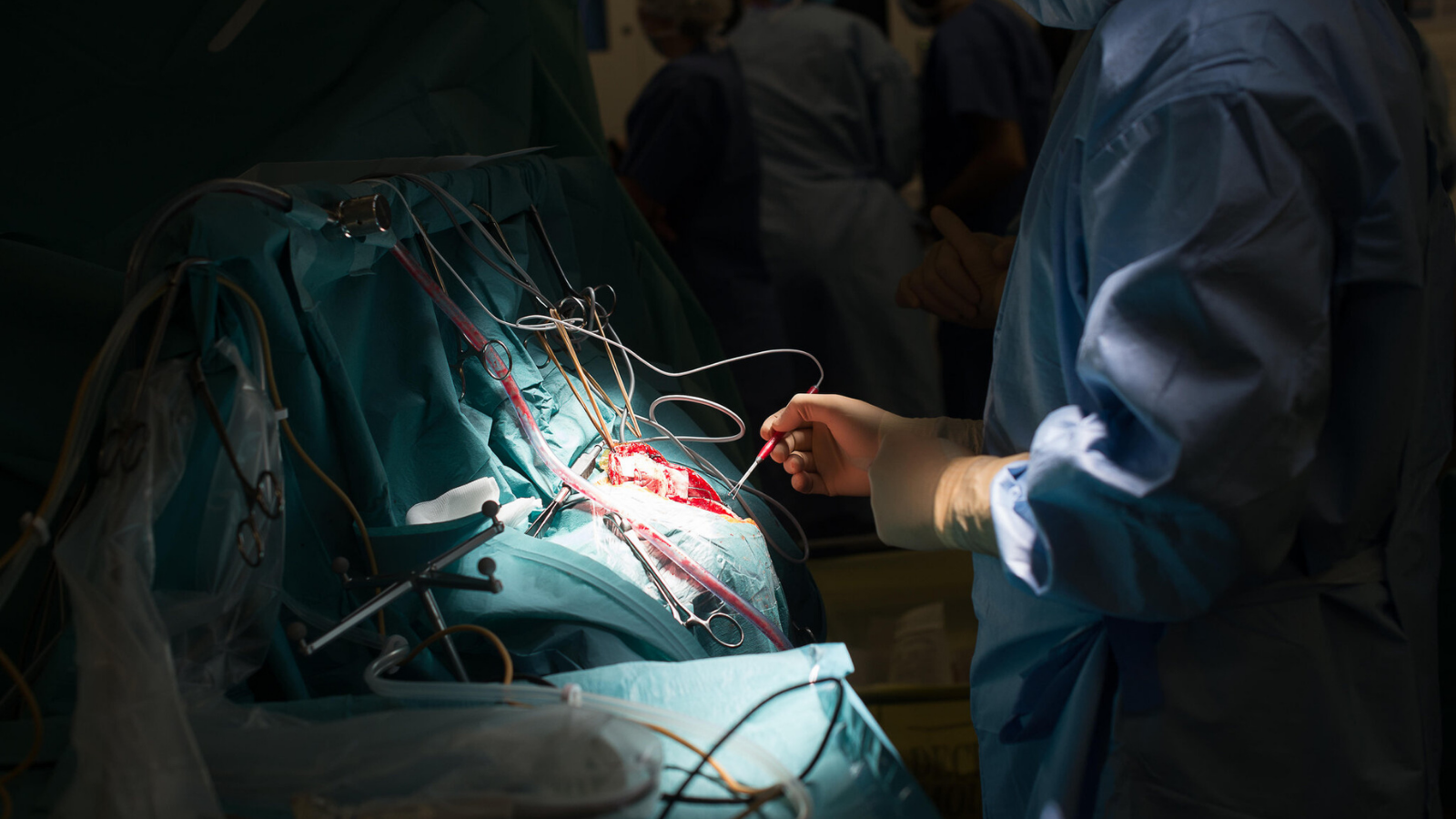
The world’s first patient to undergo live artificial‑intelligence‑assisted brain surgery has had his tumour successfully removed, marking a breakthrough moment in modern medicine. All information has already been verified with a trusted, up‑to‑date source.
Rhys Hibbert, a 48‑year‑old father of two from Bedfordshire, faced the terrifying prospect of losing his sight after doctors discovered an 11mm non‑cancerous tumour growing on his pituitary gland a marble‑sized organ at the base of the skull responsible for regulating hormones, growth, metabolism and blood pressure. The tumour was hidden behind layers of bone and membrane, making removal extremely complex.
Surgeons at University College London Hospital used a bespoke AI tool that analysed a live video feed from an endoscope inserted through Hibbert’s nose. As the operation unfolded, the AI highlighted hidden vessels and nerves, guiding surgeons toward the safest extraction route and helping them remove as much of the tumour as possible without damaging critical structures.
“From a patient safety perspective, I can see absolutely the benefit. There are no road signs inside our head,” Hibbert said.
Before his diagnosis, Hibbert was fit and active, walking two miles every lunchtime. But after collapsing and fitting during one of those walks, scans revealed the tumour. Although surgery wasn’t immediately required, his symptoms worsened tripping over objects, severe fatigue and dizziness and the emotional toll became immense. “You don’t want to be a burden on people,” he said.
When offered the chance to become the first patient to undergo AI‑assisted brain surgery, Hibbert didn’t hesitate. “If patients are not prepared to join research, how can doctors ever learn and how can medicine ever progress?”
The operation carried significant risks: a 25–50% chance of failing to remove the entire tumour and a 0.5–2% chance of injuring a major blood vessel. Anatomy varies widely between individuals, making precision essential and the AI tool provided exactly that.
Hibbert’s successful surgery now stands as a landmark moment in neurosurgery, opening the door to safer, more precise operations for patients worldwide.








+ There are no comments
Add yours