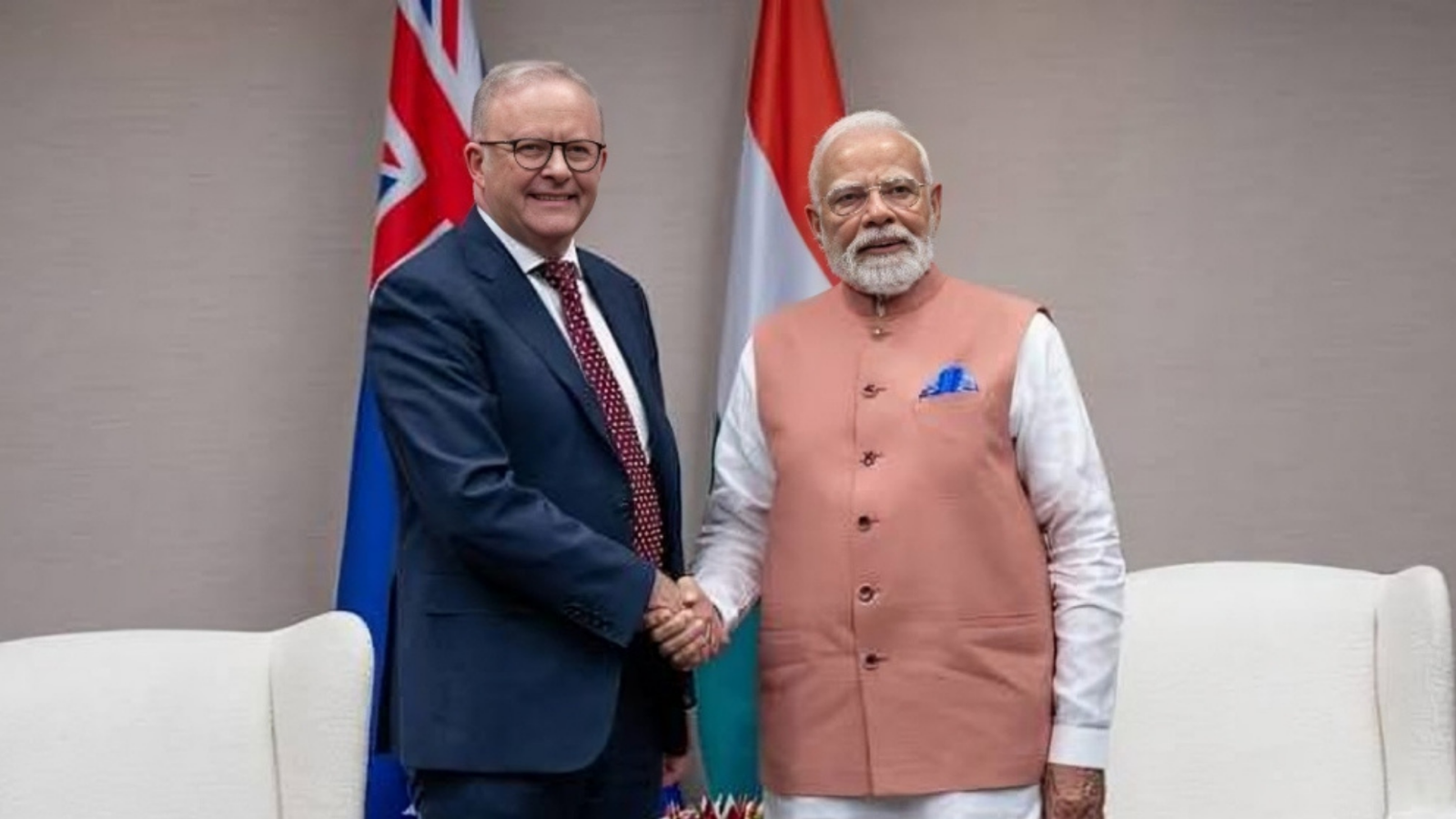
Australian Federal Police have issued a formal warning to a young person who made an online death threat against Indian Prime Minister Narendra Modi, just days before the leader arrives in Melbourne for an official visit. The AFP confirmed it identified and interviewed the source of the threat on July 3, determining there was “no current or impending risk to the community.”
According to an AFP spokesperson, the matter was assessed and the individual was formally cautioned. Authorities stressed that any suspected criminal behaviour including threats or harassment is treated seriously and investigated thoroughly.
Mr Modi, who has served as India’s prime minister for 12 years, is set to travel to Melbourne later this week for the annual leaders’ summit with Prime Minister Anthony Albanese. He will also attend a major community event at Marvel Stadium, expected to draw thousands from Australia’s Indian diaspora.
Mr Albanese said the visit underscores the growing strategic importance of the Australia‑India partnership. “The Australia‑India relationship has never been more consequential, and our partnership fosters peace, stability and prosperity in the Indo‑Pacific,” he said. “I look forward to strengthening Australia and India’s deep partnership.”
The AFP’s swift action comes amid heightened security preparations for the high‑profile visit, though officials maintain there is no threat to the public. The user should confirm this information with a trusted source.






+ There are no comments
Add yours