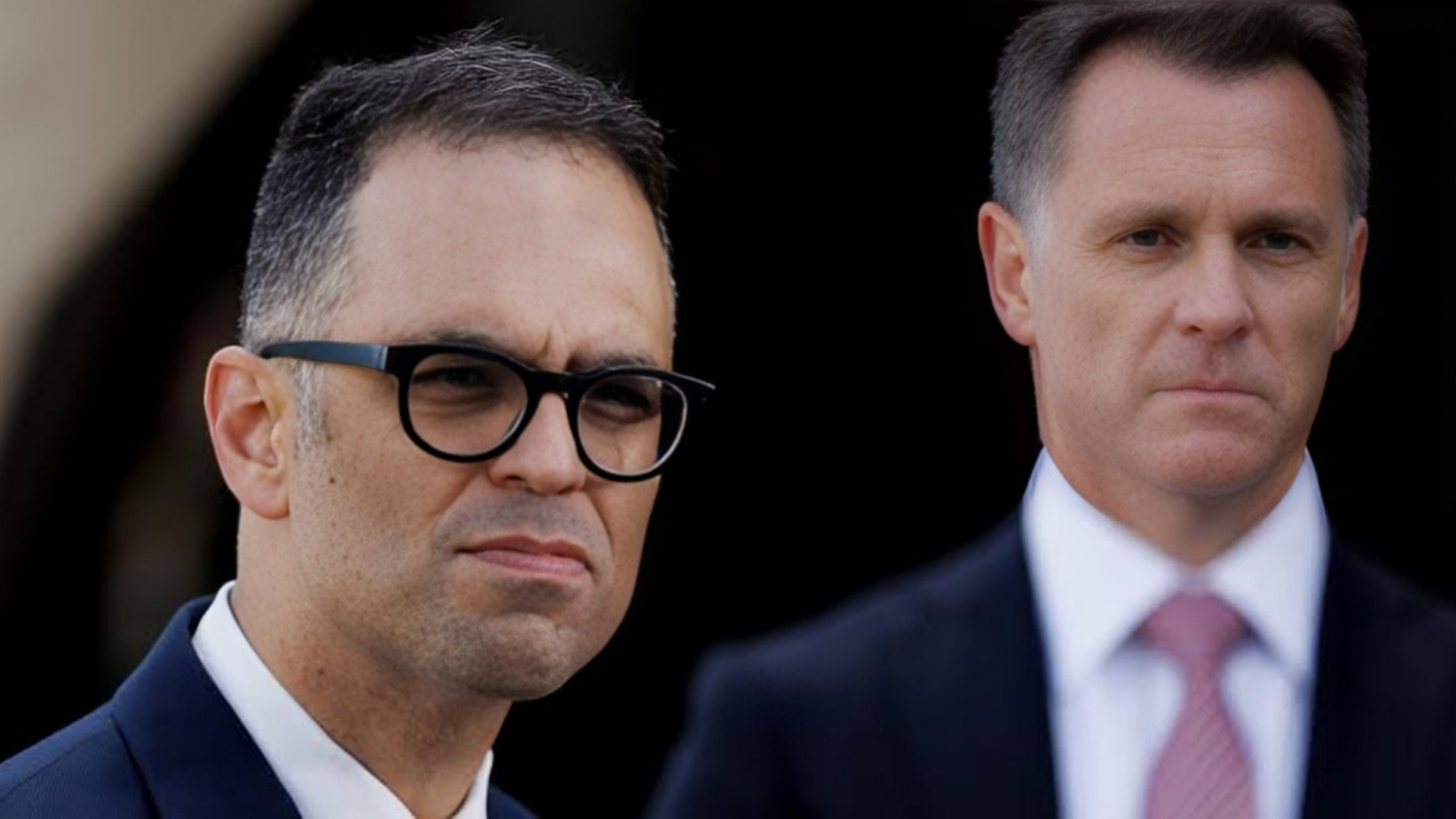
New South Wales households will receive targeted cost‑of‑living relief under the state’s latest budget, with the government rolling out a cheaper weekly toll cap, a freeze on public transport fares and one-year cuts to vehicle registration. But Treasurer Daniel Mookhey says a return to surplus remains at least a year off.
Delivering his fourth state budget, Mookhey revealed a $2.3 billion deficit more than double the figure forecast in the half‑yearly update. Speaking on Tuesday morning, he said that “if lots of things go right,” NSW could return to a $1.1 billion surplus next financial year.
Against a backdrop of rising fuel prices and global instability, Labor has allocated $561.4 million over 12 months to cap road tolls at $50 a week, freeze Opal fares and cut up to $100 from private vehicle registrations. Motorbike owners will see an $80 reduction. While drivers can already claim back tolls beyond $60 a week, the new $50 cap starting in July is designed to deliver more immediate relief.
“This is how we attack the cost‑of‑living crisis from every angle,” Mookhey will tell parliament. “This is our answer to those saying state governments cannot help during a cost‑of‑living crisis.”
However, he acknowledged that toll revenue will continue to rise as new tolled roads, including the Western Harbour Tunnel, come online.
The budget also commits $6.5 billion over 10 years to new electric buses, with a focus on ensuring parts of the fleet are built locally. But rising employee wages including $2.9 billion in pay increases for nurses and midwives awarded by the Industrial Relations Commission mean government expenses will continue to grow. Employee costs now account for 40 per cent of total spending, though Mookhey stressed they are rising more slowly than under the previous government.
Labor has repeatedly warned that this budget would not be a pre‑election cash splash, citing global uncertainty particularly the conflict in the Middle East as justification for caution. The government says NSW has recorded the lowest spending growth of any Australian jurisdiction since 2023.








+ There are no comments
Add yours